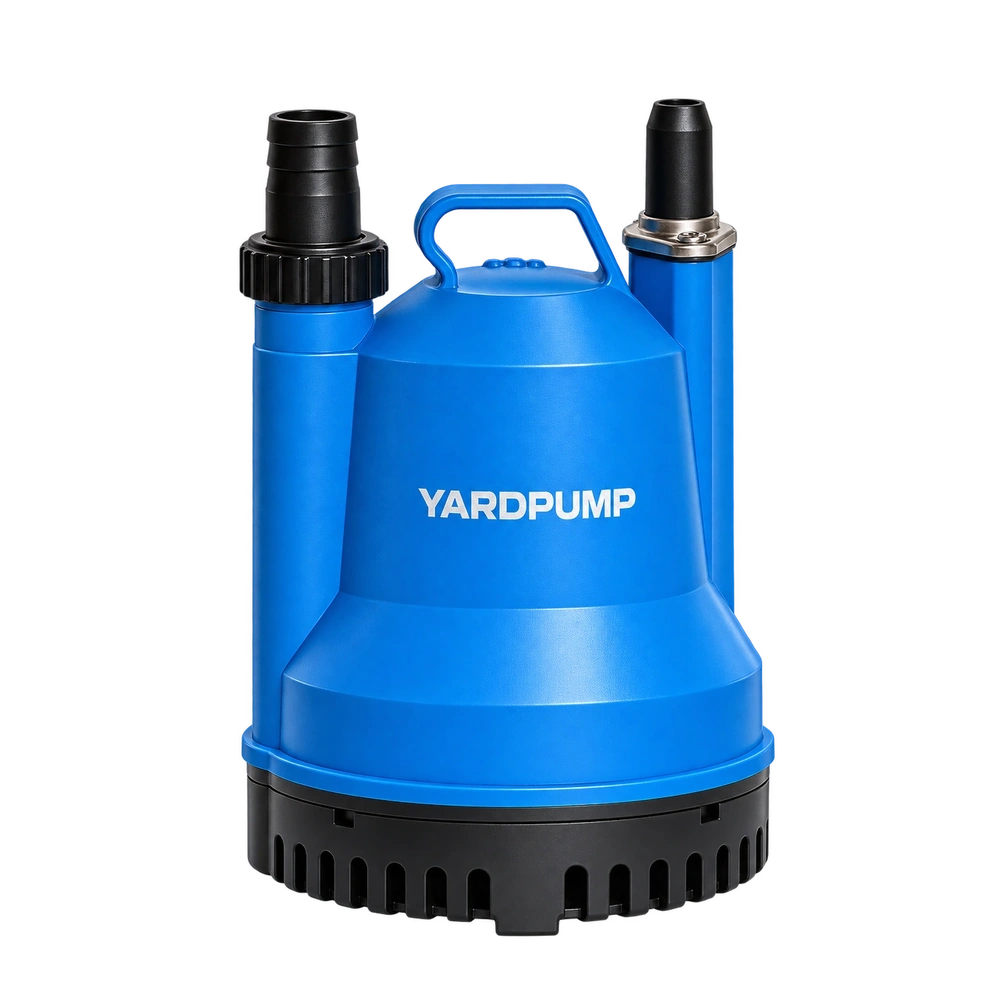
A wet-cutting machine collects fine slurry in its tray. Could an ordinary submersible pump recirculate that water to the cutting area? Being able to move water is insufficient evidence. Confirm the machine manufacturer's permitted water-supply arrangement, the return-liquid characteristics, filtration and sustained cooling duty before selecting a pump. A “dirty-water” description or solids-passage dimension does not automatically approve the substitution.
The task is sustained, suitable water delivery
Drainage focuses on removing water. Cutting-water circulation must also maintain the machine's required supply during operation. Fine solids, sedimentation, other substances and tray-cleaning arrangements affect the pump and delivery circuit. Passing one particle size does not establish long-term suitability for abrasive fine slurry.
The machine may specify a particular pump, filter or return arrangement. Check the current machine information and approved components before changing the supply. Do not remove cooling supervision, protection or interlocks. This article identifies selection questions; it provides no control-bypass or rewiring instructions.
| Duty condition | Why it matters | Inadequate substitute |
|---|---|---|
| Required water flow and pressure | Defines the actual delivery point | Maximum pump flow |
| Solids and abrasiveness | Determines liquid and material suitability | Largest particle dimension alone |
| Tray and filtration arrangement | Affects inlet condition and maintenance | One clean-water trial |
| Operating duration | Defines sustained service requirements | Successful starting only |
Describe the actual return liquid
Tell the supplier what material is being processed, where return water is collected and how settling or filtration works. Where concentration or particle-size data exist, identify the sampling location and condition. If they have not been measured, say so. Colour alone is not a reliable solids measurement.
Settled upper water and freshly returned slurry may present different conditions. A sample taken after a long idle period may not represent the liquid entering the pump during cutting. Make that distinction clear when requesting an application assessment.
Also identify water temperature and any cleaning agents or additives. Do not automatically treat the mixture as ordinary clean water. Seek confirmation for the exact pump model and actual liquid. A clean-water-only declaration cannot be expanded simply because the particles appear small.
Filtration needs a maintenance plan
Settling or filtration can help control material reaching the pump and outlet, but it also changes the system as solids accumulate. An unsuitable mesh, insufficient area or overdue cleaning can reduce supply. Consider accessibility, maintenance triggers and how reduced flow will be recognised.
For a hypothetical example, a new arrangement supplies enough water during a clean-water trial, but delivery falls as its filter loads during operation. The initial result has not covered the complete task. Verification should consider reasonable return-water and maintenance conditions and use the machine's supply requirement as the acceptance basis.
A turning pump is not proof of adequate cooling-water delivery. The relevant observation is whether the machine receives the required water under the intended conditions.
Define the replacement acceptance
Connect the machine identity, original supply requirement, proposed pump, fittings and approval conditions in the purchasing record. Check working point, inlet environment, start-stop behaviour, cleaning needs and safe handling. Qualified personnel should carry out electrical connection or intrusive repair after appropriate isolation. Do not use the cable to lift the pump.
Record the liquid and filter condition, operating duration, delivery behaviour and cleaning findings during a trial. If testing used clean water only, state that limitation rather than declaring slurry circulation validated. Inadequate delivery or abnormal behaviour should trigger the machine's prescribed stop and inspection response.
This discussion does not classify an ordinary domestic submersible pump as an industrial slurry pump. It makes no slurry-service claim for any YARDPUMP model. Suitability depends on the machine requirements, the pump's confirmed application information and relevant verification.
Frequently asked questions
Why check the liquid if there are no large particles?
Fine particles can still settle, abrade components or affect delivery passages. Maximum solids passage does not describe the complete duty.
Does adding a filter make any clean-water pump suitable?
No. Confirm the actual filtered liquid, loading condition, maintenance arrangement and pump limits.
Will a pump with greater maximum flow necessarily cool better?
No. Match the machine's required supply and connection arrangement. Maximum flow alone does not establish a suitable operating point.