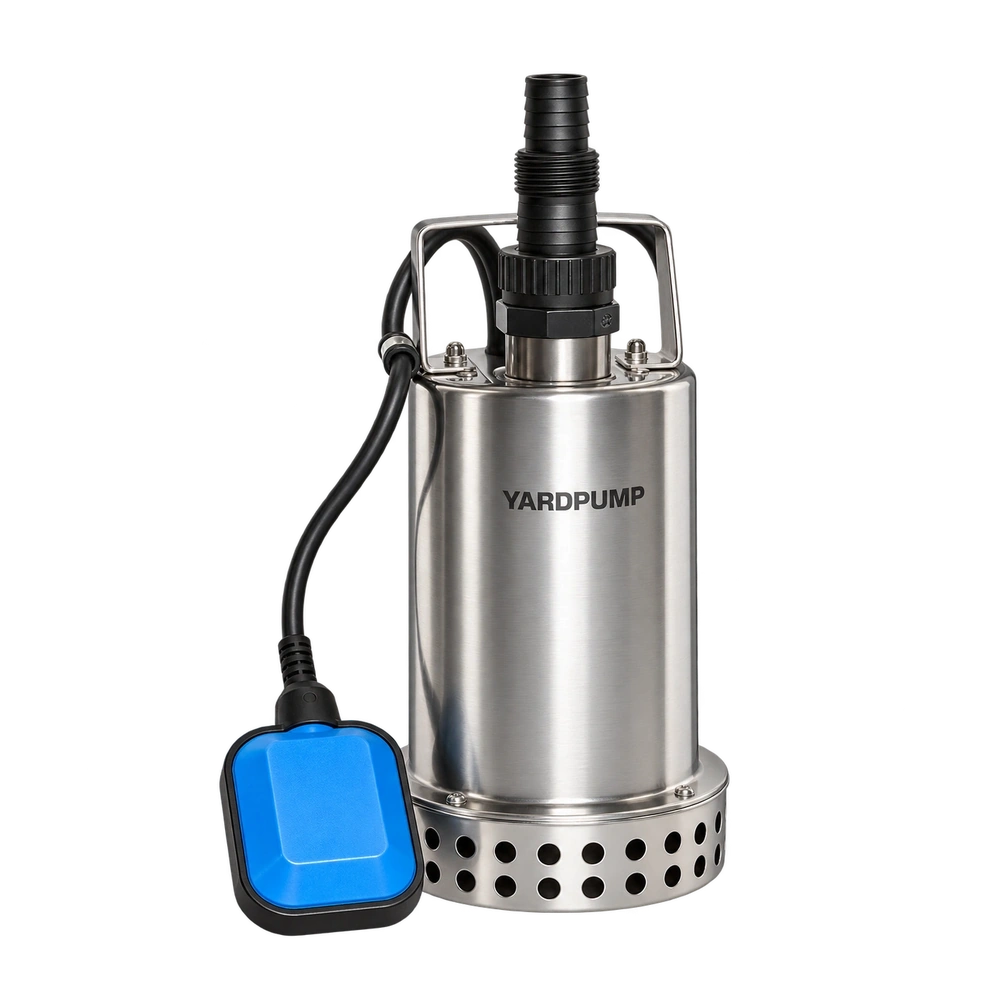
Short answer. Insulation resistance and protective-earth continuity answer different safety questions. Insulation testing investigates unwanted electrical conduction through insulation. For a Class I pump, earth-continuity testing checks that the protective conductor is correctly connected through the intended protective path. A good insulation reading cannot prove that the earth wire is attached. Conversely, a continuous earth path does not prove the insulation is sound.
A quality engineer receives a pump test sheet with an insulation-resistance value but no separate record for the protective-earth connection. The plug has an earth pin, the cable has a green-and-yellow conductor and the motor housing includes accessible metal parts. It would be unsafe to assume that a high insulation reading confirms the entire protective system.
Identify the equipment protection class first
Class I equipment relies on basic insulation together with protective earthing of accessible conductive parts as specified by its design. Class II equipment relies on double or reinforced insulation and is not tested as though it had a protective-earth terminal. A plastic outer housing does not automatically make a pump Class II: the internal motor enclosure, exposed metal parts, cable, plug and approved construction determine the classification.
Before writing a factory test plan, identify the product’s protection class and applicable product standard for its market. Do not copy a Class I earth-bond requirement onto Class II equipment, or omit protective-earth verification from a Class I design simply because the exterior looks plastic.
| Check | Primary question | What it does not prove |
|---|---|---|
| Protective-earth continuity | Is the intended Class I protective path electrically connected? | That live insulation is intact |
| Insulation resistance | Is leakage through insulation acceptably low under the specified test? | That the earth conductor is correctly terminated |
| Dielectric withstand | Does the insulation withstand a specified stress test? | That all mechanical earth joints are reliable |
| RCD / GFCI operation | Does the installed protective device detect an imbalance and disconnect as designed? | That a protective-earth conductor is continuous |
Why the earth path can fail while insulation looks good
A conductor can be left uncrimped, connected to the wrong terminal, trapped under paint or damaged near a cable entry. The live-to-case insulation may remain excellent on a new sample, so an insulation-resistance instrument shows no obvious problem. But if a later insulation fault energises accessible metal, the protective path may not carry the fault current as intended.
An earth-continuity check therefore needs defined test points and a suitable method. For a Class I pump, these may include the plug’s protective contact and the designated accessible conductive parts, as established by the applicable standard and construction. Test current, duration, contact preparation and resistance limit must come from the applicable approved test plan; there is no universal number that can be copied into every pump specification.
Protective continuity is not the same as measuring the resistance of a random metal part. Painted surfaces, fasteners, bearings and mechanical joints can complicate the path. The engineering drawing should show which parts are intentionally bonded and how the assembly process preserves that connection.
GFCI or RCD protection does not replace the conductor test
A ground-fault protective device detects a current imbalance and can interrupt supply under defined conditions. It does not independently verify that the plug’s earth contact is connected to the correct protective terminal inside the pump. A device may trip during a real fault even with a compromised earth path, but that does not justify omitting the equipment’s required protective bonding.
On construction sites, US OSHA explicitly distinguishes grounding-conductor continuity and terminal-connection checks from GFCI protection in its assured grounding programme. That jobsite rule is not automatically a factory certification standard for every pump; it illustrates why the tests are separate. Market-specific pump standards and installation rules still govern the actual production and field requirements.
Make the OEM test record useful for traceability
An engineering-controlled record should identify the pump model, electrical version, protection class, applicable test specification, equipment serial or lot, tester ID and calibration status, test points, results and operator. If a motor casing, cord, plug or bonding screw changes, assess whether the protective path needs renewed qualification and updated work instructions.
Treat failed electrical tests as a stop condition. Isolate the pump and have qualified personnel investigate. Never bridge an earth terminal to make a tester pass, defeat a protective device or energise a submerged unit while experimenting. High-voltage dielectric tests and internal electrical inspections belong in controlled facilities using approved procedures.
For the other two tests, read insulation resistance versus dielectric withstand. For safe fault investigation, see pump electrical leakage and water-ingress diagnosis.
Questions quality teams ask
If insulation resistance passes, can the earth-continuity check be skipped? No for equipment whose approved test plan requires protective-earth verification. The two checks address different failure modes.
Do all plastic-housing pumps need an earth conductor? Not automatically. The approved protection class and full construction determine whether the equipment is Class I or Class II.
Can pressing the GFCI test button prove the pump is earthed? No. It checks the protective device’s test function, not the pump’s protective-conductor connection.
What resistance value should a factory use? Use the limit, test current, points and method specified by the applicable product standard and approved procedure; do not copy an arbitrary value.