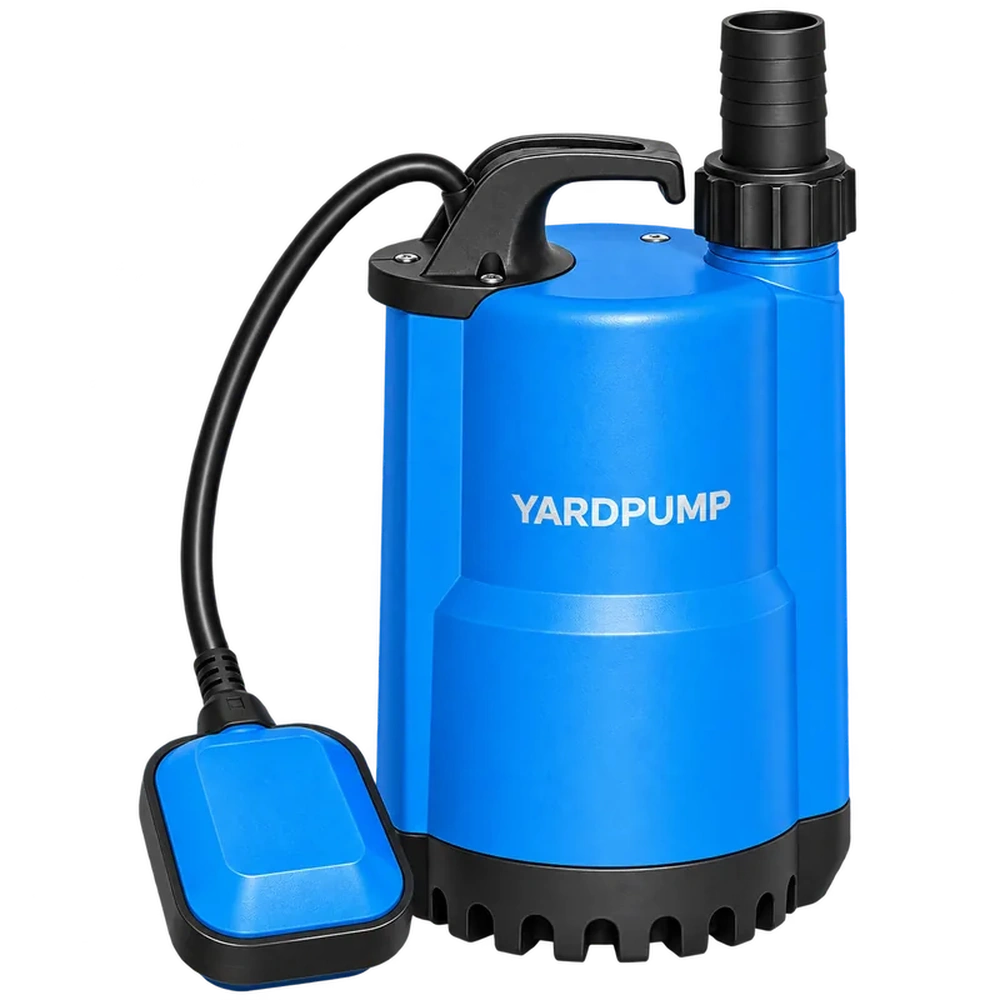
A dirty-water pump still runs after many cycles in sandy water, but it takes longer to empty the same pit. Fine grains can pass every opening and gradually wear the surfaces that give the pump its pressure and flow. Start with a repeatable performance comparison, then inspect where that design is sensitive to wear.
Follow the sand through the wet end
Relative velocity, hardness, concentration and impact angle influence erosion. Wear at the impeller, wear plate or volute can increase internal leakage and change the performance curve before a dramatic mechanical failure appears.
At the impeller leading edges, particles can strike the surface as the liquid changes direction. In narrower clearances, particles can rub or scour. The volute collects and turns the flow, so erosion can also appear where the flow meets the casing. A shiny patch or colour change by itself says little. Rounded blade edges, grooves, a change in profile or clearance growth are better clues when they match the loss in delivery.
A growing clearance may let more water circulate internally from the higher-pressure region back toward the inlet. The pump can sound normal while useful flow declines. Wear in a different location may change the curve in another way. Compare against the expected profile and dimensions for that design.
Check the water and the curve before replacing parts
Preserve a liquid sample, document solids concentration and compare cleaned performance with the approved baseline. Inspect repeatable dimensions, surface profiles and clearances rather than judging only by colour.
For example, a clearance growing by fractions of a millimetre may matter in one hydraulic design and be tolerated in another. Use drawing limits and measured duty, not a universal wear number.
For a service evaluation, first confirm the original hose, test level and supply. An obstructed screen or a collapsed hose can produce the same slow emptying. After safe isolation and approved cleaning, compare with a clean-water reference run at the same flow or head basis and note how much performance was recovered. If the decline persists, trace it with the measured clearances and inspection, rather than assuming that every scratch needs replacement.
| Observation after safe cleaning | Follow-up |
|---|---|
| Delivery returns to the clean reference | Check exposed parts and document the blockage that was removed |
| Delivery remains low at matched head | Measure working clearances and inspect impeller and volute profiles |
| Leak or damaged sealing surface | Follow the model’s sealing inspection and release procedure |
Set a maintenance point that fits the duty
Choose an explicitly suitable wear duty, reduce mineral ingress where practical and set inspection or replacement criteria from performance and dimensions.
Keep the first inspection measurements and a photo with a scale for the next comparison. Depending on the equipment, the actionable limit can be a lower flow at the required head, a drawing limit on clearance or damage to a load-bearing or sealing surface. Where sand loading cannot be reduced, use a pump specifically suited to that mixture and plan for inspection and replacement of the exposed parts.
Frequently asked questions
Can I judge wear by looking only at the impeller?
Check the matching surfaces, the volute and any wear plate or ring in that design. A change in running clearance can affect flow even if the impeller looks intact.
Does a brief performance recovery after cleaning rule out wear?
Compare the recovered output with the clean reference. Clearing a blockage can help while some permanent performance loss remains.
When should a distributor advise replacing a worn part?
Use the released dimensions and performance criteria at the required duty. Record the measured change and the water conditions before making the recommendation.