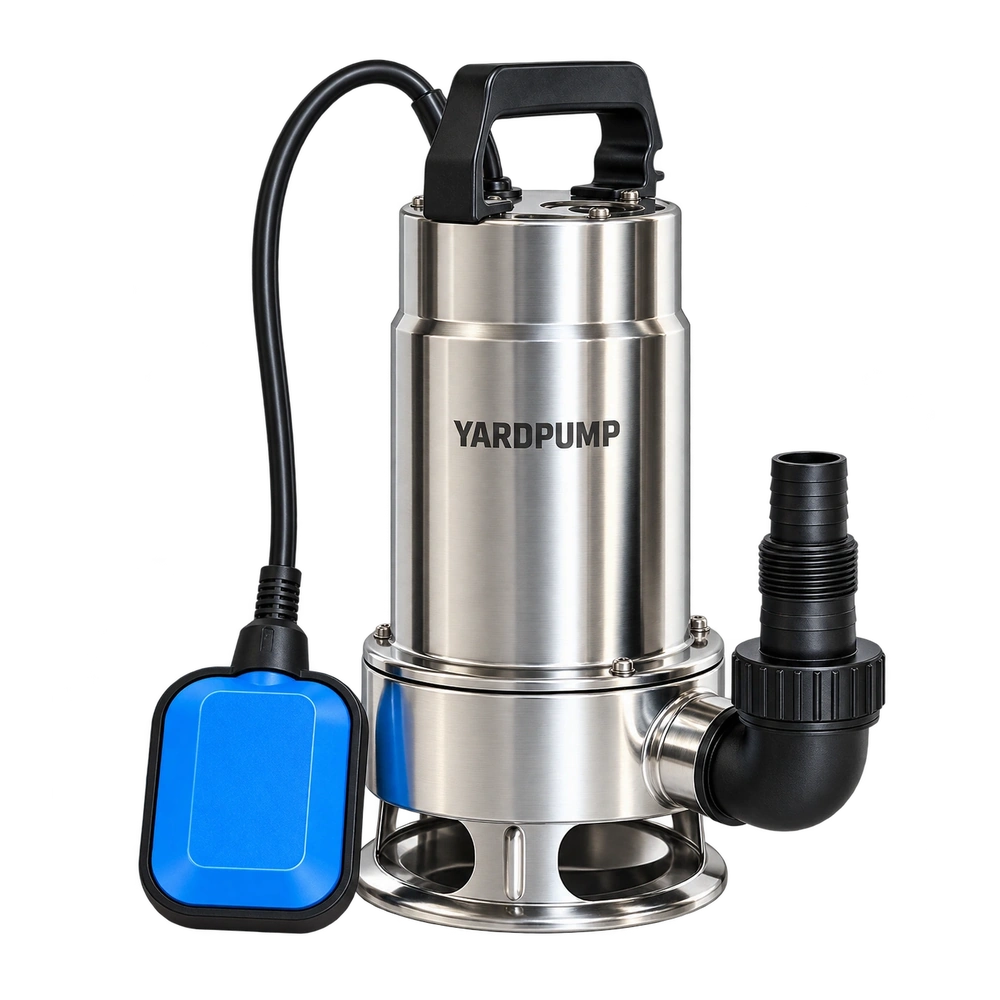
A strand of twine is much thinner than a pump’s stated solids passage. One end can still catch as the impeller turns. The strand follows the rotating part and winds up instead of continuing through the passage. Repeated fibres can form a bundle and gradually reduce delivery or stop the rotor.
Look for length and a place to catch
One end of a fibre can catch while the rest follows the rotating surface, building a rope-like bundle. The bundle raises drag, blocks inlets and may load seals or bearings without a single oversized hard particle.
Look at material such as grass stems, string and strips from a cloth. The end may snag on a hub, an inlet rib or the edge of a moving part. A strand longer than the path it is trying to follow can loop around a rotating surface. Flecks of hard material can be present too, but an intact loop or knot at the hub is stronger evidence of a wrapping mechanism.
A passage figure for a defined solid gives no direct information about the length or flexibility of a strand. Ask whether the supplier has evidence for the debris shape and load you expect. A compact dirty-water pump may handle selected soft solids and still be unsuitable for recurring strips, rope or long grass.
Preserve the shape of the obstruction
Isolate power before retrieval. Photograph and preserve the wrapped material, note its length and source, and inspect the hub, inlet, shaft and seal area. Measure current and flow only after safe cleaning and reassembly.
With the equipment safely isolated, take a photo before the material is removed by approved service methods. Keep track of whether it was folded over the inlet, wound at the impeller hub or behind a moving part. A broad mat across the inlet may call for a screen change, while repeated wrapping at the hub can call for a different hydraulic design. After reassembly, compare delivery and electrical behaviour with a clean reference in a proper wet test.
Inspect any seals and surfaces that could have been loaded by the bundle using the model’s service procedure. A pump that starts after removing string may still have a damaged part or lost performance. Record whether flow returns at the required head.
Change what reaches the pump
Control fibrous material upstream where possible and choose a hydraulic design specifically supported for the documented debris. Set service cleaning triggers from field evidence.
Where the system permits, remove recurring long material upstream with an accessible, appropriately sized basket or process change. Leave enough free area and a cleaning interval that accounts for how quickly the screen loads. For a sourcing decision, describe the actual strand length, quantity and frequency to the supplier. Specify acceptance against the real debris type and maintenance exposure.
For example, a site might find short grass fragments spread across the inlet on one return and a long spiral of twine around the hub on another. Take a scale photo and record the cleaning interval before ranking fixes. Clearing a clogged basket more often can help the first case. In the second case, removing the source of twine or selecting a supported design for that material may matter more than increasing the opening size.
Frequently asked questions
Can I compare the fibre diameter with the published passage?
Use it only as one dimension. Include length, flexibility, tendency to tangle and the shape of the path through the pump.
Why does the pump lose flow gradually with fibres?
A few strands can begin a bundle that catches more material. The growing bundle can restrict the intake and increase drag.
Does an open impeller solve all wrapping problems?
Ask for model-specific evidence with the intended material. The hub, inlet and permitted debris determine whether the full design is suitable.