Two mechanical-seal carbon rings look black and have the same dimensions. One is resin-impregnated; the other is antimony-impregnated. Can an OEM buyer exchange them as equivalent graphite parts? Not from colour, dimensions or a generic temperature claim. Specify the exact carbon grade and assess it with the mating face, liquid, operating temperature and complete seal arrangement.
Carbon is a material family, not one recipe
Carbon-graphite seal materials can contain pores and use different impregnation systems to obtain required properties. Resin- and metal-impregnated grades are distinct specifications. Their behaviour depends on the base carbon and processing as well as the impregnant. The word “graphite” cannot identify that complete material.
Published seal ranges can offer several carbon options for the same general design. That demonstrates the need to select a material combination, not unrestricted interchangeability. Supplier-specific codes must be translated through the supplier's current material definition. A similar letter used by another seal maker may mean something different.
Evaluate the working pair and environment
The carbon ring runs against a defined opposing face. Friction, heat transfer, wear and film behaviour arise from the pair under its operating conditions. Hardness by itself cannot predict life. A harder candidate may still be unsuitable for the liquid, counterpart or transient conditions.
Include every fluid that can contact the faces: pumped water, chamber fluid where relevant and approved cleaning agents. Identify temperature peaks and wet-start conditions. Do not use one material's highest advertised temperature as the complete seal's limit. Elastomers, springs, adhesives and geometry may impose different restrictions.
Request evidence with the correct scope
Ask for the manufacturer and grade, impregnation identity, relevant properties and the approved application basis. Where drinking-water contact or another special approval is required, check the exact material combination and scope. A generic statement that a seal range can be supplied with approvals is not evidence for every option in that range.
An illustrative comparison sheet can put the current and proposed grades side by side with columns for counterpart, liquid, temperature, friction or wear evidence, leakage and relevant approvals. Leave unsupported cells unresolved rather than filling them from another carbon grade. Material-data comparison is a screening step; complete seal validation remains necessary.
Control the substitution through the finished pump
Retain the old seal and identify all other changes before testing the proposed grade. If spring setting, elastomer or counterpart also changes, the results describe a multi-variable assembly change. Do not attribute every improvement or deterioration to the carbon impregnant alone.
Verify leakage and operating behaviour under the relevant duty and agreed exposure, with safe test methods and qualified personnel. Establish acceptance criteria from the design and application rather than inventing a universal running-in time or allowable leak. Inspect the faces after the agreed test where required, preserving their condition before cleaning.
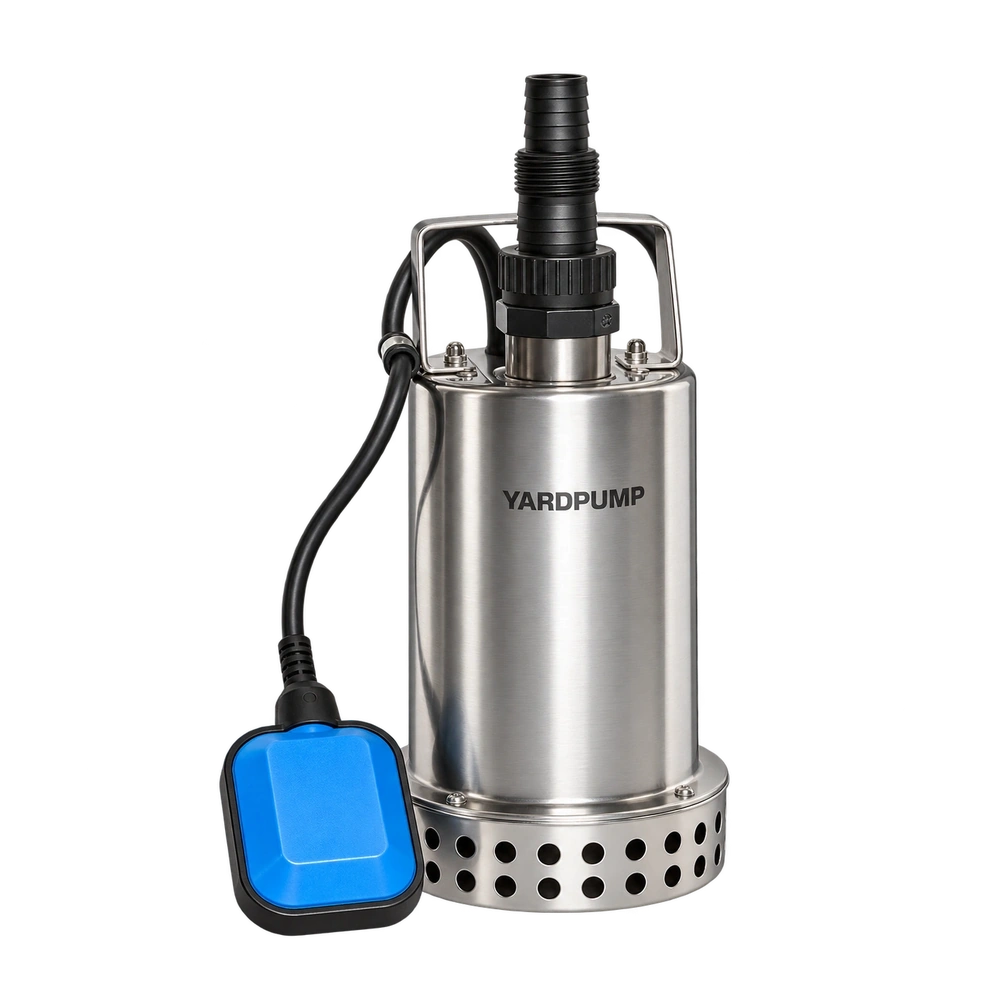
For compact YARDPUMP seal procurement, use the actual approved BOM and service conditions. This article does not claim that every model offers both impregnation systems or assign a superior grade to either name. A well-supported change can be acceptable; an undocumented black-ring substitution cannot be justified by appearance. Release the complete material pairing and keep it traceable into production and spare stock.
A substitute should also retain a clear spare-parts policy. If only one face changes, state which existing counterparts it may run against and whether previously used rings can be retained. Do not let an approved new assembly become permission to mix every old and new face in the field. Compatibility is a property of a defined combination and condition, so service instructions should preserve the same limits that supported the original change approval.
Frequently asked questions
Is antimony impregnation always better than resin?
No. Selection depends on the exact grades, fluid, counterpart, temperature and validated seal design.
Can colour or a simple hardness check identify the grade?
Not reliably. Use controlled material identity and appropriate supplier evidence.
Does a seal-range approval cover every carbon option?
Not automatically. Verify the specific type, material combination and current approval scope before making the claim.