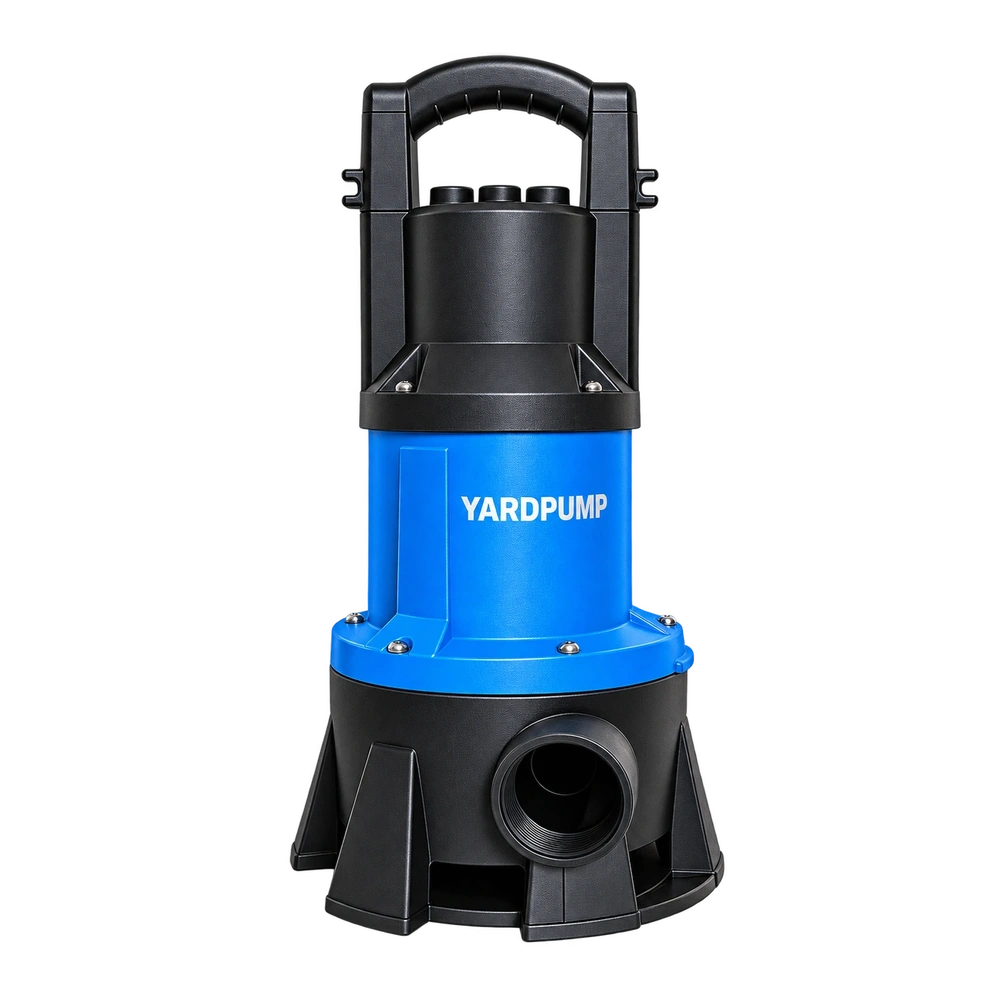
Consider a storage-and-restart example. A clean-water pump worked before storage but is reluctant to turn at its next approved service check. There is no obvious stone or dried mud at the inlet. Could the mechanical-seal faces be sticking? It is a possible cause, not a diagnosis from storage time alone. Close seal surfaces can develop increased breakaway resistance during a stationary period. Identify the source of resistance before attempting to restart or force the pump free.
Stationary face contact differs from normal running
A contacting mechanical seal has carefully matched surfaces held together by its closing arrangement. During permitted operation, lubrication and the actual interface conditions affect friction. After a stationary period, breakaway behaviour can differ from running friction. Face condition, residual liquid, deposits and the material pair all influence what happens.
Do not assume that clean-looking water leaves nothing behind. Mineral residue or a thin deposit can affect contact even where no large solids are visible. Corrosion, a damaged bearing, an impeller rubbing the casing and a faulty starting circuit can produce a similar complaint. The absence of mud narrows one possibility; it does not identify the seal or clear the rest of the pump.
Stop repeated attempts and preserve the condition
Humming without normal acceleration, a protective trip or unusual mechanical resistance calls for stopping and safe isolation. Automatic thermal protection can reset, and a capacitor can retain energy. Qualified personnel must establish the safe state before the mechanical assessment. Do not reach into an intake, use a screwdriver to lever blades or pulse power repeatedly to break an uncertain bond.
Record the last known successful operation, liquid handled, approved cleaning, storage position, temperature exposure and duration. Note whether resistance was found before any movement or only after a start attempt. A sudden release under excessive force can damage a face or another component while also erasing the original evidence.
| Possible source | Evidence to seek through approved inspection |
|---|---|
| Seal-face sticking | Contact-surface condition and localized breakaway behaviour |
| Mineral or other deposits | Original deposit location and liquid history |
| Bearing or shaft trouble | Roughness, corrosion, fit and support condition |
| Impeller interference | Clearance, foreign material and contact marks |
| Electrical starting fault | Appropriate isolated component checks and circuit identity |
Use component separation only as an authorized service method
A qualified service investigation may compare resistance at stages of disassembly, where the manufacturer's procedure permits it. If removing the hydraulic or seal component changes the resistance, that helps locate its contribution. It does not automatically identify why that component became difficult to move. Retain photographs and component orientation before disturbing the contact surfaces.
For a hypothetical case, resistance disappears after an authorized seal removal, while the retained bearing arrangement turns normally. That supports examining the seal assembly. It does not prove the face materials were defective, because deposits, storage and assembly loading may also matter. Do not lap, polish or reuse damaged faces outside an approved repair method.
Restore the specified storage and return-to-service arrangement
Use the exact pump's instructions for storage, preservation and recommissioning. Some machinery has a specified periodic shaft-movement procedure; others require a different service approach or do not provide user access. Do not borrow an interval, rotation direction, lubricant or storage fluid from another manufacturer's industrial pump and apply it to a compact sealed unit.
Before service release, confirm correct assembly, permitted seal lubrication, free movement by the approved method and the necessary sealing, electrical and operating checks. A restored first start is not the only acceptance criterion. Watch the defined subsequent start/stop behaviour and leakage checks, rather than declaring success when the motor first moves.
For compact submersible pump spares and seasonal stock, the practical decision is whether the original storage instructions and component condition support return to use. Face stiction is a mechanism worth investigating when evidence points to it. It is not an excuse to force every stored pump into rotation or to regard all difficult starts as normal storage behaviour.
Frequently asked questions
Does a freely turning shaft prove the seal will not leak?
No. Rotation and sealing are different requirements. Verify the required condition and leakage checks after any authorized service.
Can I add oil through the intake to free the faces?
Do not add an unapproved fluid. It may not reach the relevant face and can affect materials, liquid suitability and other components.
Is periodic starting a universal storage method?
No. Follow the actual preservation instructions. Running without suitable water or operating conditions can create damage instead of preventing it.