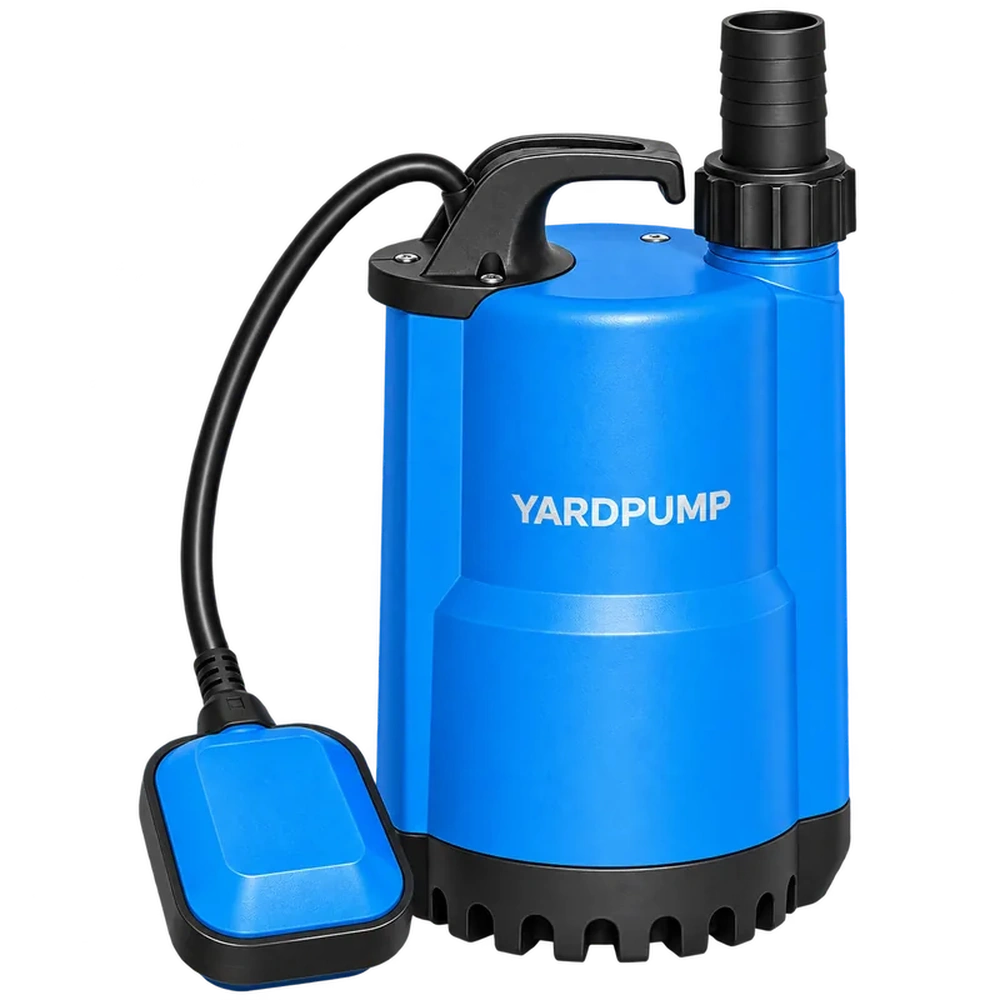
Does a higher motor insulation class permit a submersible pump to handle hotter water? Not by itself. Insulation-system thermal class, permitted temperature rise and complete-pump liquid temperature describe different boundaries. Improving one component does not automatically qualify seals, capacitors, plastics and cables at a higher temperature. Nor does it replace complete-system cooling and safety validation.
Insulation class is not a liquid-temperature label
A thermal class concerns the relevant heat capability of a particular insulation system. It is not an operating target for every duty point. Actual motor operation also depends on design temperature rise, surroundings, cooling, hotspots and duty. Read the rating under its applicable definition rather than converting a class letter directly into permissible water temperature.
Documentation may specify one insulation class together with a lower design temperature-rise requirement without contradiction. One concerns insulation capability; the other concerns the actual motor design and acceptance. Request the electrical version, duty and test conditions. A general motor table cannot independently approve the immersed pump assembly for another application.
Temperature rise needs a reference
Rise describes an increase relative to a specified reference. Temperature describes the resulting state. Treating a rise figure as the complete winding temperature confuses those concepts. Average winding temperature, a local hotspot and the housing surface are also different quantities. Hand feel or an infrared surface reading cannot replace the required winding-temperature assessment.
A submerged motor rejects heat through its structure and surrounding conditions. Higher liquid temperature changes thermal relationships, while water level, movement, deposits and assembly can also affect heat transfer. Insulation need not be the first limit. Another component or protective response may restrict operation before the insulation system reaches its own thermal boundary.
| Boundary | Main question answered |
|---|---|
| Insulation-system thermal class | Relevant heat capability of that system |
| Design rise and measurement requirement | Acceptability of motor thermal behaviour under defined conditions |
| Complete-pump liquid rating | Permitted liquid temperature for the configuration |
The limiting interface may be elsewhere
Mechanical seals, elastomers, lubrication, capacitors and cable materials have their own temperature and medium limits. Plastic dimensions, stiffness and long-term deformation can affect clearance and sealing when hot. Changing winding insulation therefore does not automatically create a hotter-water pump. A resin's separate thermal figure is not a complete-pump liquid approval either.
A material name can cover several grades and formulations. Preserve exact configuration and evidence rather than ranking every material generically. Validation concerns a set of interacting parts. A collection of higher-looking class numbers does not establish that those parts work together under the proposed service conditions.
Define a testable hot-water requirement
Specify actual liquid temperature range, duration, starts, immersion, movement, chemistry and required flow and head. Ask the design owner to assess necessary changes and validate the exact version for thermal behaviour, function, sealing and relevant reliability. Protective trips and recovery belong in the operating boundary. Bypassing a protector because it interrupts a trial is unacceptable.
Suppose a buyer wants operation above an existing approved liquid limit. The appropriate sequence is a requirement review, configuration assessment and new complete-pump evidence. It is not subtraction of an assumed rise from an insulation-class figure to calculate a new water rating. This hypothetical request does not imply a hot-water extension for any YARDPUMP model.
Keep published claims separate
Present verified insulation information and complete-pump liquid limits as separate fields. Avoid combining them into an undefined high-temperature claim. Test records should state method, supply, load, liquid and stabilisation. Competent personnel should perform electrical and thermal assessment; users should not intentionally overheat a pump or bypass protection to check its class.
For purchasing, the useful question is which configuration is accepted for the declared liquid and duty. An insulation class helps describe that configuration without replacing the evidence required for the application.
Questions about thermal ratings
Does a higher insulation class mean lower temperature rise?
Not necessarily. Thermal capability, losses, cooling and actual operating temperature are different measures.
Can a cool housing prove acceptable winding temperature?
No. Surface, average winding and hotspot temperatures differ. Use a method suitable for the model and requirement.
Can the liquid limit be exceeded if protection does not trip?
No. Protection does not replace the complete-pump rating or guarantee that another component remains unaffected.