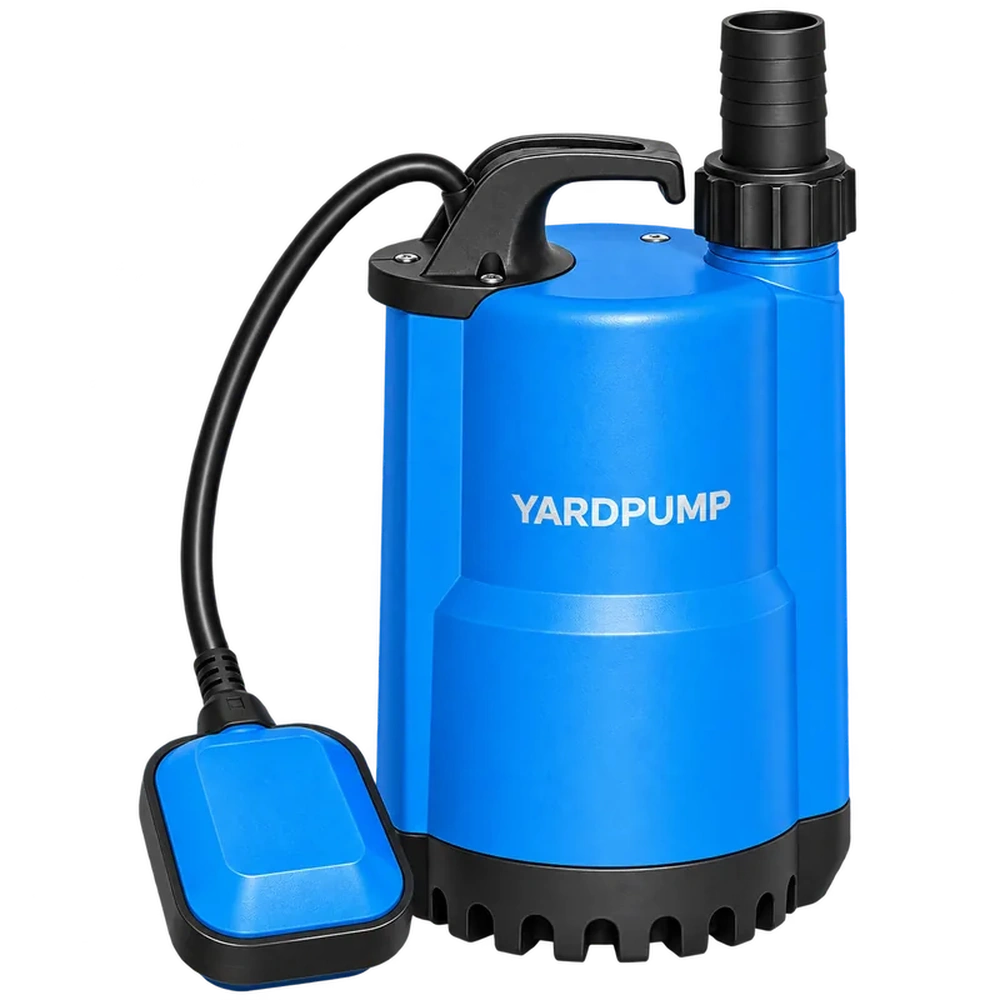
A low collection trough has drained, but an external optical switch still reports liquid. At the next rise it sometimes reports dry even with water above the sensing point. First compare the actual surface with what touches the prism. A point sensor responds to the medium immediately around its optical tip. A film or bubble at that tip can present a different condition from the bulk liquid. This applies to prism-type level controls and does not imply that a low-level pump includes one.
The optical path sees a small local interface
A common design sends light into a transparent tip. In air, much of that light reflects at the interface towards a receiver. When liquid covers the tip, the amount reflected back changes. The device turns that difference into a state. The output associated with dry or wet must come from the exact device's logic. Do not infer wiring from the physical explanation. The tip observes one point rather than the average liquid depth, and it may not identify the true liquid surface beneath foam.
When the liquid falls below the tip, a persistent film or residue can delay the dry indication. When a bubble stays on a submerged tip, the local interface can behave more like air. Some designs and arrangements are less sensitive to short-lived bubbles. The result depends on the material, liquid, contact area, orientation and control logic. A switch that disagrees with the apparent level can also have a supply, circuit, timing or sensor problem. Do not diagnose all false states from bubbles alone.
Compare four conditions with the equipment isolated as required
Have qualified personnel check mounting, the tip and the available level measurement under the approved isolation procedure. Record a clean dry state, stable immersion in the specified liquid, the first interval after drainage and the condition after normal process exposure. Keep signal and liquid level on the same timeline. Distinguish the indication at the sensor from the controller's run command. It is useful to record the delay before reset, but do not override protection or let the pump run dry to wait for it.
In one hypothetical case, clean water produces the expected wet and dry states. After normal wash water drains, a film remains at the tip. Approved cleaning restores the response in a comparable check. This points first to the liquid and maintenance conditions. In another example, a clean tip never changes state, or the sensor changes but the controller keeps the run command. Investigate the relevant circuit or logic using the approved procedure. The examples guide an investigation; neither is a diagnosis by appearance.
Decide whether to move the sensing point or change the method
If the tip sits in an incoming stream of bubbles or a spot that keeps a film, ask the installer to check permitted mounting orientation, cleaning, immersion and control height. Do not move it upward so far that water can exceed the safe start level before the control acts. Do not use unapproved chemicals to clean the tip. If persistent foam or adhesion makes the optical method unsuitable, assess an alternative compatible with the liquid and verify the complete pump's rising and falling operation. Reliable control means the tip's indication, real water level and pump action can all be reconciled.
Keep the sensor output, controller state, and observed level on the same timeline, including the direction in which bubbles cross the tip. A brief sensor change followed by a long command points toward delay or latching. An output that stays wrong after the water settles calls for inspection of the sensing point.
Frequently asked questions
Does a wet indication prove there is enough water at the pump inlet?
No. It describes the sensor's local condition. Check actual inlet depth and the approved running condition.
Can any optical level switch serve as dry-run protection?
No. Verify the exact device, installation, control scheme and actual liquid.
Can I wipe the tip with solvent?
Use only an approved method. Isolate first and check the sensor material and instructions or refer the work to authorised service.