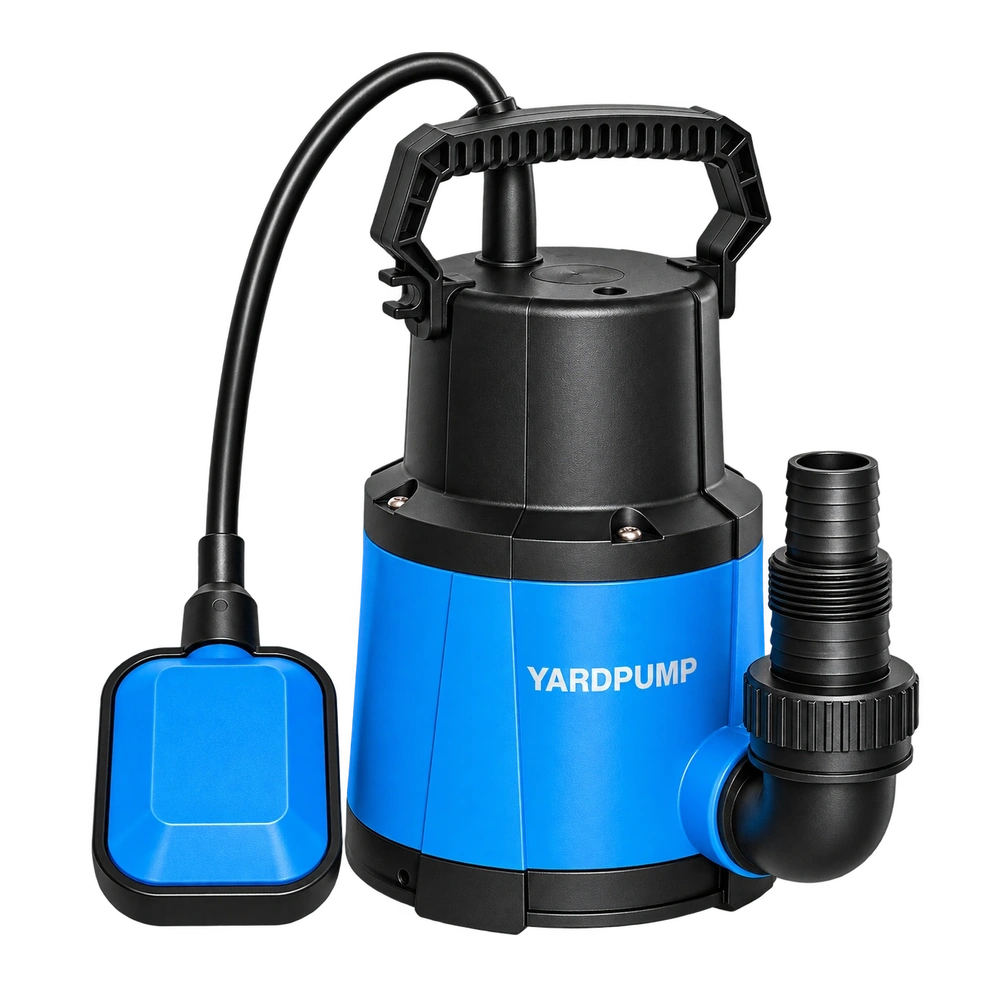
A PA66 impeller passes its dry sample inspection. After the planned water conditioning it leaves a rub mark on only one side during a trial assembly. Did every vane swell? One mark cannot be converted into a change around the entire circumference. Separate average size, shape by angle and the way the impeller sits on the shaft. Moisture can change nylon dimensions and stiffness. Local warp, bore location or a casing clearance issue can produce a similar mark.
Make a map around the part
Use the bore, seating face and other datums specified for assembly. Mark angular positions on the impeller and, separately, the housing. Measure rim location and face height at several positions with the same fixture, contact force and temperature. Check that readings are taken from comparable surfaces, not different vane details. If most positions move outwards by a similar amount with little change in face height, investigate overall size. If one or two areas stand proud and face height also varies, investigate local shape. Total indicated movement can combine datum error, roundness and warp; it is not automatically an eccentricity reading.
See what the high point follows. If it follows the same vane after repositioning the part by an approved measuring method, the impeller warrants attention. If it remains in the same fixture direction, check the setup and support. A mark at one position on the housing does not prove that the impeller is the cause. Casing clearance, assembly order or shaft runout can determine the first point of contact. Record whether interference exists during an isolated check or appears only after a controlled wet trial.
Keep the conditioning comparison meaningful
Wall thickness, fibre orientation, moulding shrinkage and how each surface contacts water may vary across a part. Before the moisture state is uniform, one area may change or be restrained differently, so shape change can be more visible than a change in mean size. This does not mean every PA66 impeller will warp. Do not apply numbers from another grade or water temperature to production. Keep the starting condition, conditioning medium and interval, time of measurement and fixture together. Where practical, follow the same part through defined states.
In an illustrative check, four positions have similar readings on the dry sample. The conditioned part is only slightly larger on average, but face height near the same vane increases by 0.12 mm while the opposite side hardly changes. If the high point follows that vane after resetting the fixture, look for non-uniform deformation before widening the whole clearance. The number describes an example pattern, not an impeller tolerance. If nearly all positions move outwards together, verify the conditioned size and circumferential clearance instead.
Return to the assembled pump before approving a change
Keep resin grade, batch, mould cavity, condition and pump assembly traceable. Compare the approved build and the proposal in pairs. Have qualified staff verify static clearance with the equipment isolated, then use the approved controlled bench for running checks. Record flow, head, input and whether contact returns. Do not trim vanes or force a part into place to remove an unexplained high spot. If the fixture, conditioning or moulding checks do not explain the pattern, examine the casing and shaft. Identify the changed geometric relationship before choosing a process correction, a new part or a different fit.
Where practical, separate free-state measurements from the approved assembled condition. A fixture can flatten a part without reproducing the constraints imposed by the actual housing.
Frequently asked questions
Is a maximum outside diameter enough after soaking?
No. Check angular positions, face height and the assembly references to detect a local change.
Can we dry the part again and accept the dry measurement?
Do not substitute a dry reading for the specified use condition. Check reversibility, material effects and the agreed measurement state.
Does a single rub mark establish warp?
No. Check for a repeatable high point and rule out shaft, housing and assembly effects.