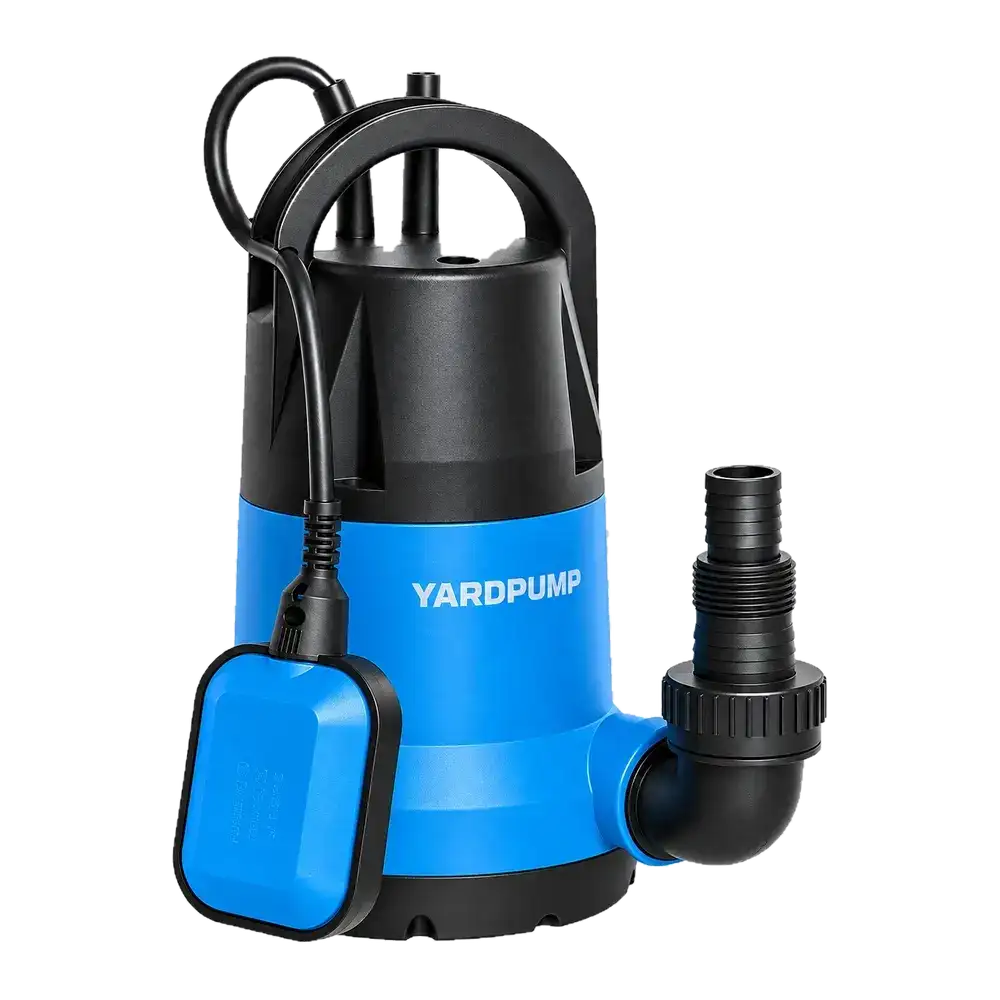
A pump stops after running for a while. Assuming it is now safe, a user prepares to clear debris from the inlet. Minutes later, the motor starts again. How can that happen? Some motors have automatic-reset thermal protection. When they cool, the protective contact may close again; if supply and starting conditions remain present, operation can resume.
A stationary pump is not an electrically isolated pump. Disconnect and isolate before clearing, moving or servicing it. Silence and lack of motion do not establish a safe condition.
Protection does not remove every hazard
Thermal protection responds according to the particular design, which may involve winding temperature or another related thermal condition. Automatic reset, manual reset and other protective arrangements behave differently.
Automatic recovery can have an operational purpose, but it also creates an unexpected-restart risk for someone who assumes that a stopped machine will remain stopped.
Parts may remain energised after a protective trip, and a single-phase pump can retain capacitor energy. A float or pressure controller may also establish a new start demand. Regardless of the reason for stopping, motionlessness cannot replace isolation, confirmation of a safe state and management of stored energy.
Distinguish different kinds of stopping
| Observation or action | Possible meaning | Servicing limitation |
|---|---|---|
| Thermal trip | Temporary interruption of motor operation | Automatic reset may permit restart |
| Low float position | No current level demand | Rising water may start the pump |
| Panel stop or remote off | A changed control command | Not automatically supply isolation |
| Confirmed procedural isolation | Safe work conditions established by competent personnel | Stored and other energy still require attention |
The table is not a wiring description for a particular pump. Isolation points, verification and responsibilities must follow equipment instructions and site procedures.
Never bridge a float, thermal protector or other control device to test whether restart remains possible.
Stop use safely before investigating
Unexplained stopping, repeated stop-and-restart cycles or signs of jamming require safe isolation and qualified assessment. Do not reach into an inlet, touch an impeller area or drag a connected pump into another position.
Do not pour cold water over equipment, strike it or force rotation to accelerate reset. Where flooding prevents safe access, follow the site’s electrical and drainage procedures rather than entering potentially energised water to reach a plug.
If urgent drainage is needed, use a separately assessed suitable arrangement. Bypassing the original protection is not an appropriate emergency solution.
For a hypothetical example, a pump stops after fourteen minutes and resumes after six minutes of cooling. These are illustrative times, not a model’s trip temperature or reset period. They cannot establish a rule that clearing is safe for six minutes. Conditions and faults change the process, and restart may occur sooner.
Recovery does not establish that the cause is gone
Restart after cooling means that operating conditions were re-established at that moment. It does not prove that blockage, overload, inadequate cooling or an electrical problem has been corrected.
Repeated recovery can allow the same problem to continue and may add damage. A protector responding as designed and a pump being suitable for its duty are separate questions.
Qualified service personnel should assess supply, operating point, obstruction, rotation and immersion or cooling conditions as applicable. Observations that users can provide safely are different from internal electrical tests. Do not turn a troubleshooting request into instructions for energised dismantling or protection bypass.
Explain the reset behaviour in the delivered product
OEM documents should identify the actual protection and reset mode. “Overheat protection” should not become a claim of guaranteed immunity from damage or unlimited unattended operation.
Instructions and service communication should explain possible automatic restart and required isolation before maintenance. Update them when the protection logic or control configuration changes.
For fixed installations, competent personnel should assess isolation, control, alarms and maintainability. Test protective functions only through an approved method with qualified personnel, not by deliberately jamming an impeller in a warehouse demonstration.
Frequently asked questions
Can a tripped pump be cleared while it remains connected?
No. Reset or changing controls may start it. Follow the required isolation procedure before appropriate personnel work on it.
Does recovery after cooling mean there is no fault?
No. The overload, obstruction or cooling problem may remain. Repeated cycles require investigation.
Do all submersible pumps reset automatically?
No. Check the particular model and instructions. One pump’s behaviour does not establish the protection used by every product.