An induction heater has brought a replacement bearing to its approved mounting temperature. Is the operation finished? Check the heater's prescribed demagnetization stage as well as temperature. Residual magnetism can attract ferrous debris to a bearing or nearby surfaces. Heating successfully and completing the required magnetic-control process are different acceptance points.
Why an induction process includes demagnetization
Induction heating uses an alternating magnetic field to generate heat in the component. Bearing-heater designs can include an automatic demagnetization function after heating. Its presence is a useful controlled feature, but it should not be assumed to have completed correctly after an interrupted cycle, wrong setup or equipment fault.
Follow the heater and bearing instructions for yoke selection, operating mode, temperature and process completion. Do not substitute an uncontrolled electrical coil or workshop improvisation. The question is not whether every heated bearing becomes dangerously magnetic; it is whether the specified mounting process leaves the part in its required condition.
Fine debris changes the risk
A small steel particle can be hard to see on a warm, greased bearing. Magnetic attraction may hold it where casual wiping or a quick visual glance misses it. Once introduced into the assembly, debris can affect rolling contacts or other precision interfaces. Demagnetization therefore supports cleanliness; it does not replace clean handling, covered storage or removal of machining chips.
Do not demonstrate residual magnetism by scattering filings on a serviceable bearing. That contaminates the part being evaluated. Use the appropriate measuring method or equipment self-check specified for the process. A screwdriver's attraction is not a calibrated acceptance criterion, and another magnetic part nearby can confuse such an informal observation.
Validate the complete heater sequence
For an illustrative maintenance check, record the heater identity, setup, cycle completion and any interruption. Confirm its relevant inspection or maintenance status and follow its prescribed method for verifying demagnetization. If measurement is required, specify instrument position and acceptance limit from the responsible procedure; do not invent one universal magnetic value for every bearing and heater.
If the cycle stops unexpectedly, follow the equipment's recovery instructions. Do not assume switching power off has performed the normal final stage. Keep the bearing identified and protected while resolving the process state. Avoid repeated heating beyond the component's permitted exposure merely to make the control display show a completed cycle.
Mounting quality still needs its own checks
After the approved process, mount with the correct load path and fit. Do not transmit installation force through rolling elements. Keep the bearing, shaft seat and tools clean, and preserve the specified grease or seal condition. A correctly demagnetized bearing can still be damaged by overheating, a wrong fit or poor pressing.
Record the supplied bearing's full identity and the operation in the pump's assembly or repair history. If an unusual contamination pattern later appears, that record helps distinguish process, material and service causes. Do not diagnose all metallic wear debris as evidence of magnetism; abrasion and other failure mechanisms require examination too.
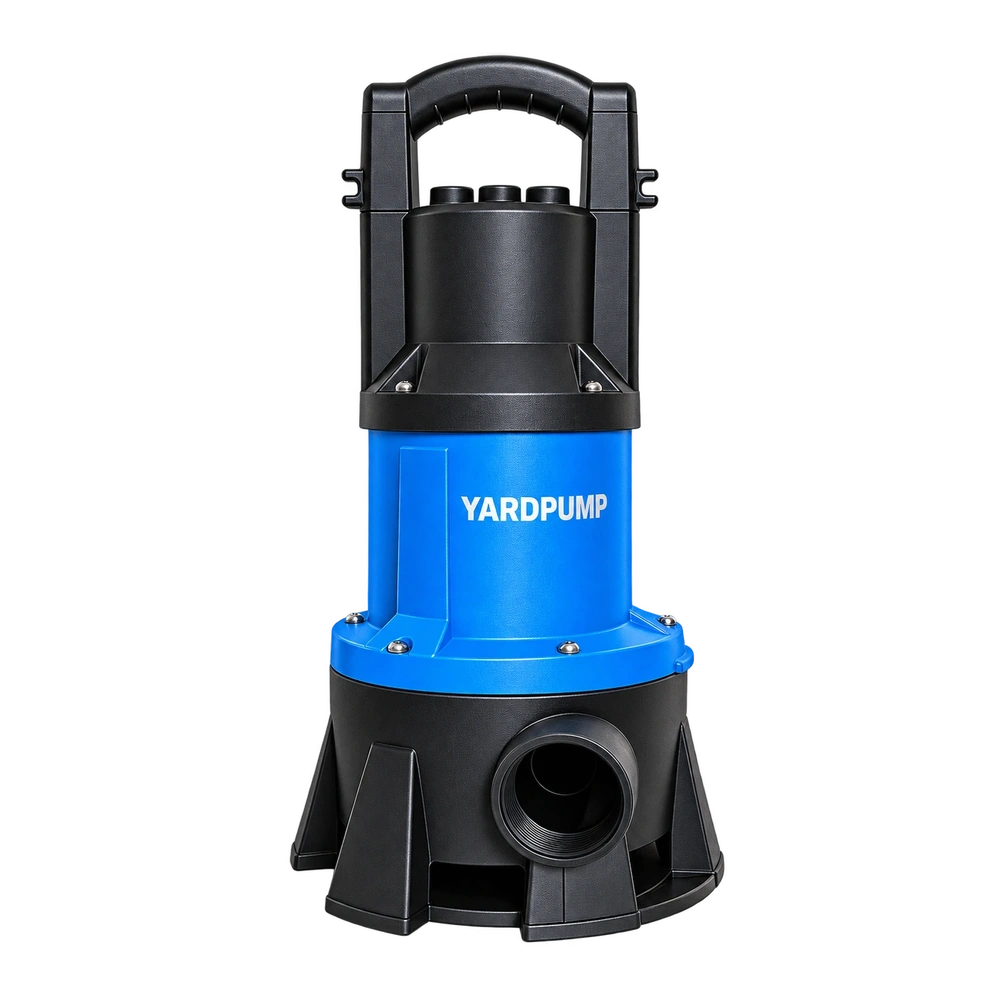
For YARDPUMP compact pump production or competent repair, use induction heating only where the approved bearing-mounting process calls for it. Some small assemblies use other specified methods. The practical decision is to release the entire mounting process, including its required demagnetization and cleanliness controls, rather than approving a bearing from temperature alone.
A process audit should distinguish a heater configured for bearings from a general component-heating mode. The permitted component, cycle and final functions may differ. Record the selected mode, rather than accepting the equipment brand as evidence that every operation was appropriate. After maintenance or software changes to the heater, repeat the relevant process confirmation before returning it to routine pump-bearing work.
Frequently asked questions
Does every bearing require induction heating?
No. Use the mounting method approved for the bearing, fit and assembly.
Can an automatic heater's final stage be ignored?
No. Confirm the prescribed cycle completed, particularly after interruptions or alarms.
Does demagnetization remove dirt already inside a bearing?
No. It does not replace cleanliness or restore a contaminated or damaged bearing to serviceable condition.