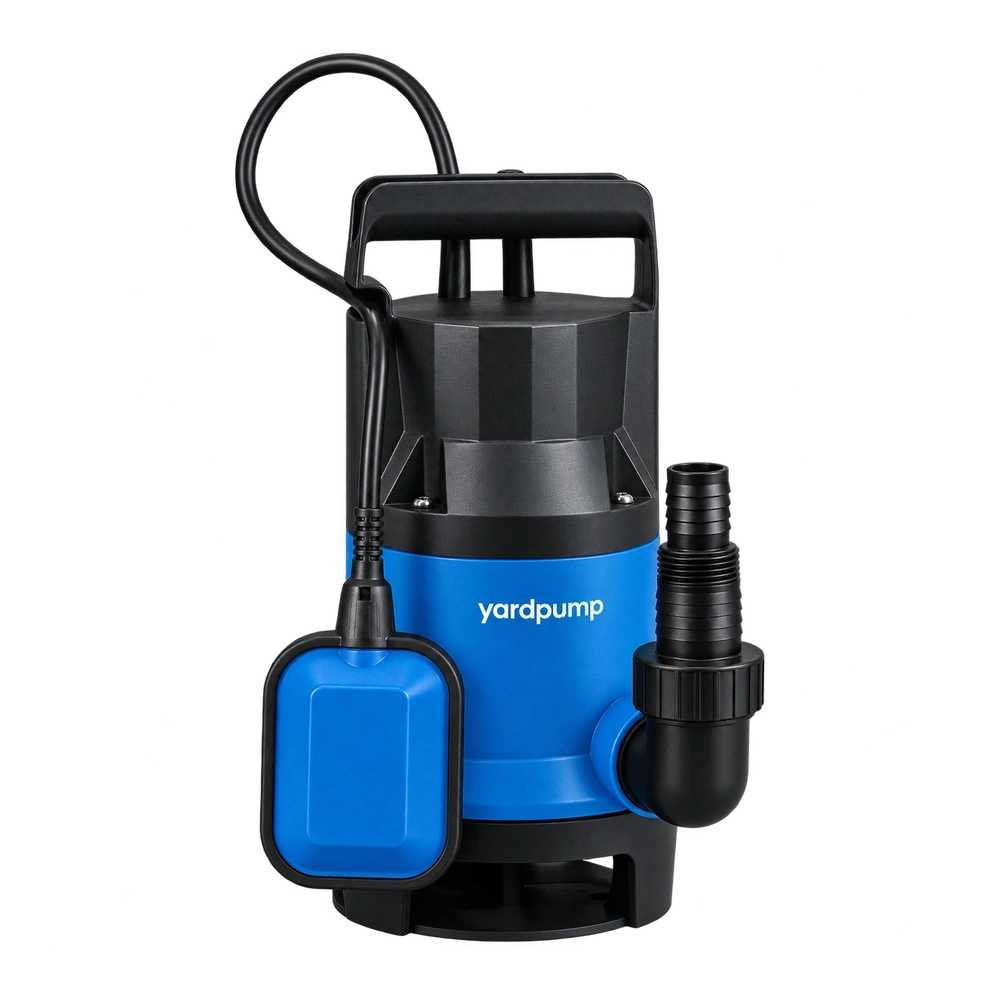
Imagine a submersible pump bearing is removed during service. There is a bright band around the shaft seat and a little powder nearby. Did the inner ring move on the shaft? It could have, but first check the bore of the inner ring and the removal record. A ground surface, removal mark, fretting and relative rotation can leave different clues. Rejecting a shaft for shine alone, or replacing a bearing without checking its seat, can both miss the cause.
Consider how the fitted ring carries the load
A bearing fit depends on how the load acts relative to each ring, temperature, materials and design. In a common motor arrangement, a rotating inner ring requires a suitable fit on the shaft. An undersized or out-of-round seat, changing temperature or abnormal load can change the contact. Small relative movement can produce wear debris or corrosion products. Continued creep can remove material from the seat. Wear can also be secondary to another fault that raised load or temperature. A tighter fit is not a universal improvement; excessive interference can change internal clearance and running behaviour.
Record the original position of the inner ring and the matching shaft surface together. Identify the shoulder, load direction if known, and adjacent parts. Keep straight removal scratches, circumferential polish and local powder separate in the observations. Direction alone does not prove a cause, because movement during dismantling, cleaning and transport can change a surface. Photograph the state before cleaning and preserve where the powder was found.
Compare dimensions and assembly history
Have suitable personnel isolate and dismantle the pump under the approved procedure. Retain the bearing identification and records of lubrication, mounting, temperature and load where available. Measure at multiple axial and angular positions using the drawing and approved method. Review seat diameter, form, the shoulder and any securing parts. Inspect the corresponding inner-ring bore. A known undamaged part of the same revision can help distinguish normal machining from a new pattern. One caliper reading on the shiny area cannot replace the specified measurement.
For illustration, a returned ring and shaft have matching circumferential polishing and debris in one region. Measurements show the middle of the seat differs from the ends and is below its released limit. That gives more reason to investigate the fit and load than a single mark aligned with the direction of removal. Neither hypothetical case supplies a general rejection rule. Use the actual tolerances and an appropriate reference.
Verify the complete repair
Use the approved procedure to decide whether to replace the shaft, bearing or other affected components. Do not use an unapproved adhesive, punch marks or roughening to take up a clearance. After assembly, verify thermal, vibration and noise behaviour at the relevant pump conditions. If the original problem included an impeller rub or seal leak, review axial location and the wet end too. Identify which fit is outside approval and whether the original cause is resolved. A polished shaft is an observation. The conclusion that the ring moved in operation needs corresponding evidence.
Separate original measurements, post-failure dimensions and measurement temperature. A returned shaft that is undersized after wear does not prove it was undersized when shipped. If retained samples exist, compare the same revision under the same measuring method before broadening the hold to a machining or assembly lot. If both contact surfaces have local red powder but no continuous circumferential marks, retain fretting as a possible mechanism. Do not label every small relative motion as full ring rotation.
Frequently asked questions
Does reddish powder prove the pump took in water?
No. Fretting at a fit can also produce debris. Check water paths, location and both mating surfaces.
Is the fit good if the replacement feels tight?
That does not establish the diameter or roundness. Temperature and tooling also affect feel.
Can the inner ring alone be changed?
Follow the approved parts and service method. Do not mix unapproved bearing components or overlook a worn shaft seat.