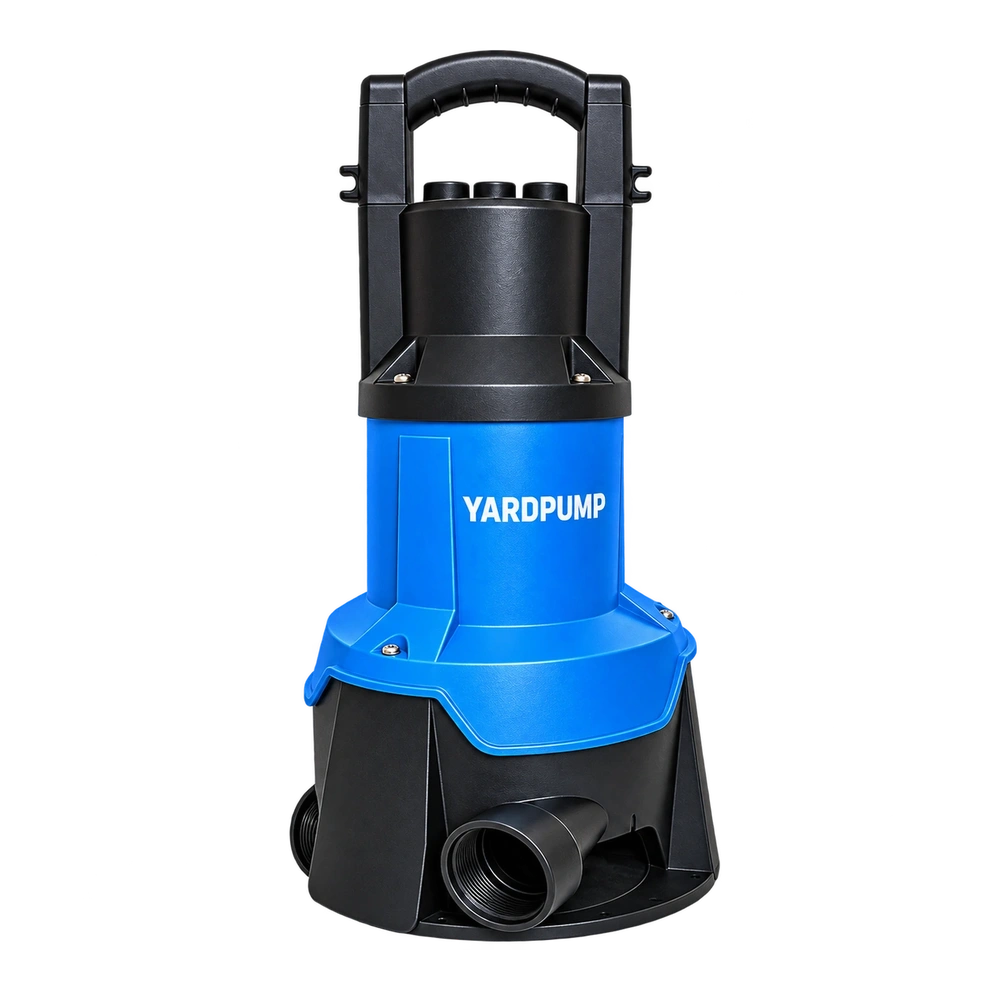
With the pump isolated, a technician turns an accessible part by hand as allowed by the service manual and hears a faint scraping noise. That observation can justify a closer inspection. A seal lip, trapped grit, a rubbing impeller or a bearing can all produce it. Tie the noise to a physical location and a measured condition before replacing a bearing.
Describe the sound and where it repeats
Radial lip seals and mechanical seals create contact forces. An impeller may touch a warped screen or trapped grain. Bearing damage more often needs evidence such as repeatable roughness, play, vibration, temperature or raceway condition tied to the correct load.
A scrape once per turn suggests checking local contact, such as a distorted inlet screen or an impeller that comes close to the housing at one point. A uniform light drag can come from a seal. A repeating rough feel accompanied by measurable play or vibration near a bearing merits a closer look at its fit and condition. Use hand rotation only where permitted and keep the equipment isolated.
For a returned pump, obtain the customer’s wet running observations. Record whether the sound started at low water, after ingestion of grit, during the first startup or after long service. Ask for the hose layout and data from the operating conditions. Air entering the pump or an obstructed inlet can make noise during operation that a bench inspection cannot reproduce.
Compare what changes after a safe inspection
Isolate and clean the unit, separate accessible components only under the service procedure, and record shaft play and runout with suitable tools. Conduct an approved wet test with electrical safety controls. Do not energize an opened pump.
For example, noise disappearing after a trapped grain is removed points away from the bearing, while persistent vibration at the same speed warrants deeper inspection. Neither observation alone assigns root cause.
Document any contact marks with photos, then compare measured play and runout with the specified procedure or a suitable reference. A bearing raceway or sealed motor should only be accessed by authorized service as specified. If disassembly is allowed, keep the removed parts and note contamination, seal damage and seating condition. That evidence helps avoid attributing a noise to the wrong component.
Use a wet test for release
Replace the bearing only when inspection supports it, then verify fits, seals, electrical safety and wet performance before release. Preserve removed parts for complaint evidence.
With the pump correctly reassembled and the appropriate safety checks complete, operate within its instructed water level and duty. Compare noise, vibration and delivery with a reference for the same setup. If the source remains unclear, document what the wet test did and did not reproduce and escalate before returning the pump. An unexplained new noise under load still matters even when dry hand rotation feels smooth.
Frequently asked questions
Does a scrape that repeats in the same place point to a bearing?
It can also come from a contact spot on the impeller, screen or casing. Look for marks and measure clearances and play before making the diagnosis.
Can a wet seal feel different when turned by hand?
Yes. Seal contact and moisture condition can change hand drag. The allowed procedure and a correct wet test give a more useful comparison.
What should a distributor keep after removing a suspect bearing?
Keep the part identified to the pump and retain the measured play, sound observations, photos, fit and seal condition and the post-repair test result.