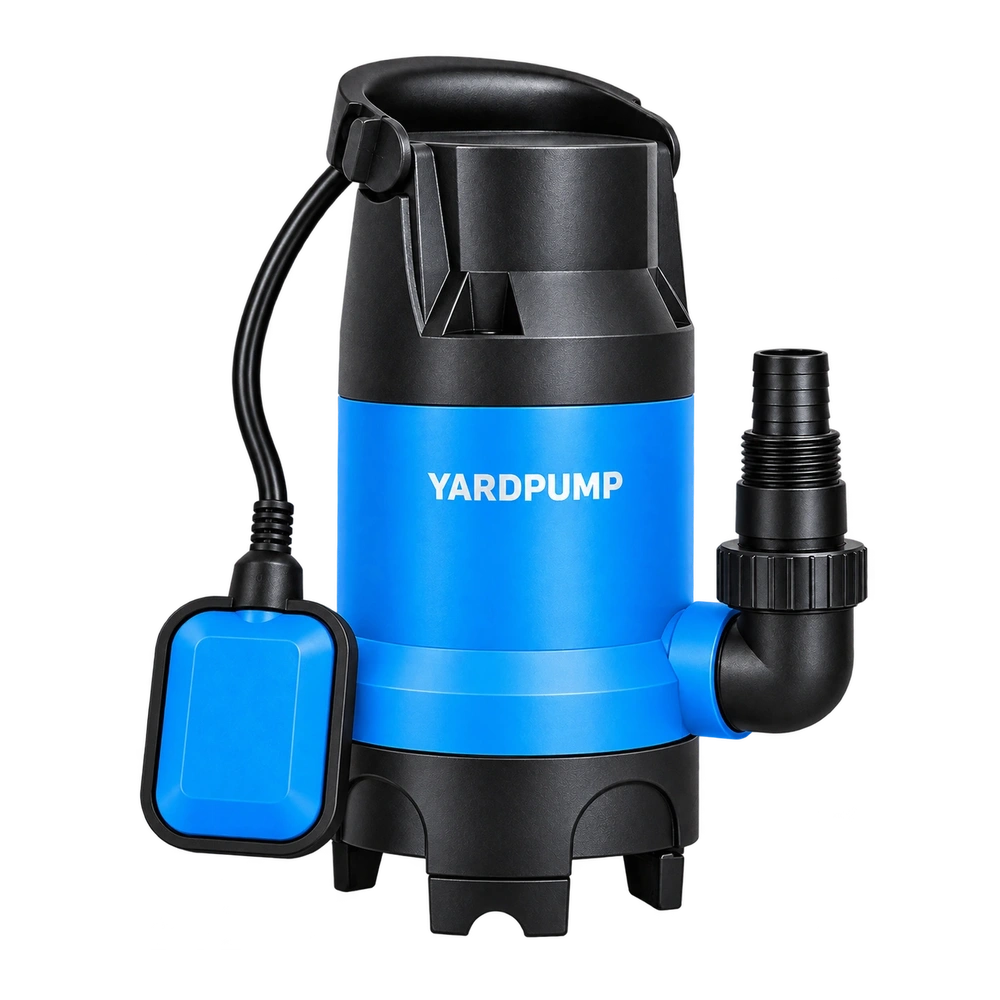
A returned submersible pump has a row of dark spots on a bearing raceway. The spacing looks close to the pitch of the balls. Someone calls it proof of water entry while the motor was running. Spacing is a useful observation, but it does not date the damage or identify the route. Moisture at standstill can leave a pattern at rolling element positions. So can small movements under vibration while a bearing is not rotating. Surface appearance, lubrication and the equipment history need to agree before you decide.
Why both patterns can share the same pitch
A stationary bearing holds its rolling elements in relatively fixed positions. If moisture enters or condenses, conditions near the contacts may favour corrosion at repeated locations. Vibration can also affect a stopped bearing. The rolling elements move a very small distance about their resting positions, disturbing lubrication and rubbing at the contacts. This is one mechanism for false brinelling, which differs from permanent indentation from an impact. A returned assembly may have experienced both vibration and moisture.
Preserve the original marks and orientation before cleaning. Under an appropriate examination, record whether the spots look like small pits, elongated wear patches, sharply bounded dents or deposits. Check the rolling elements, the other ring and lubricant. Mark the pattern relative to the load zone and any possible ingress route. Magnification and proper surface examination help; colour alone does not distinguish water corrosion from rubbing, and later operation can change early marks. Do not abrade the evidence away before inspecting it.
Compare the pattern with events before teardown
In one hypothetical return, a pump sat unused in a damp place. Inspection finds pits and nearby wet traces that can be investigated as a possible path. Another arrives from transport with shallow wear patches at a similar spacing, no confirmed water trace inside, and evidence of repeated vibration in the packaging. The first case makes moisture entry or condensation a priority. The second makes restraint, loading and transit worth checking. Neither proves that water entered while running or that the second unit was always dry. If dated photographs are missing, say that the timing is unknown.
In a submersible pump, bearing damage can be a consequence rather than the first failure. Keep the seal, cable entry, oil chamber where present and other interfaces identifiable. Record who handled or cleaned the pump, how it was stored and when noise appeared. Unusual lubricant can suggest contamination or loss of function, but its colour does not identify the source. Compare an undamaged unit of the same revision where it helps, and ask a bearing specialist to review ambiguous damage. Isolate the pump and reserve bearing and electrical work for qualified personnel using the approved procedure.
Match the service decision to the evidence
If an ingress route is confirmed, a bearing alone may not prevent recurrence. If the damage comes from standstill vibration, a seal change will not correct storage or transport. When the evidence is incomplete, isolate affected equipment and keep the parts and records with clear open questions. Do not enter “equal spacing” as the cause. A useful report identifies the ring, position, surface pattern and the history that supports the working explanation.
When marks lie in the transport load zone, record restraint and orientation. If corrosion extends beyond the contacts onto nearby surfaces, record that extent too. Neither feature is conclusive without the condition and storage records. Preserve the damaged side’s orientation before replacement.
Frequently asked questions
Does equal spacing always mean false brinelling?
No. Standstill moisture corrosion may also follow rolling element pitch. Check surface, lubricant and exposure history.
Can I keep using a quiet bearing?
Quiet operation alone does not release a damaged bearing. Have it inspected against the applicable service criteria and investigate the cause.
Does water found during teardown prove the shaft seal leaked?
No. Consider alternative entry paths and any movement of water during return, storage or teardown.