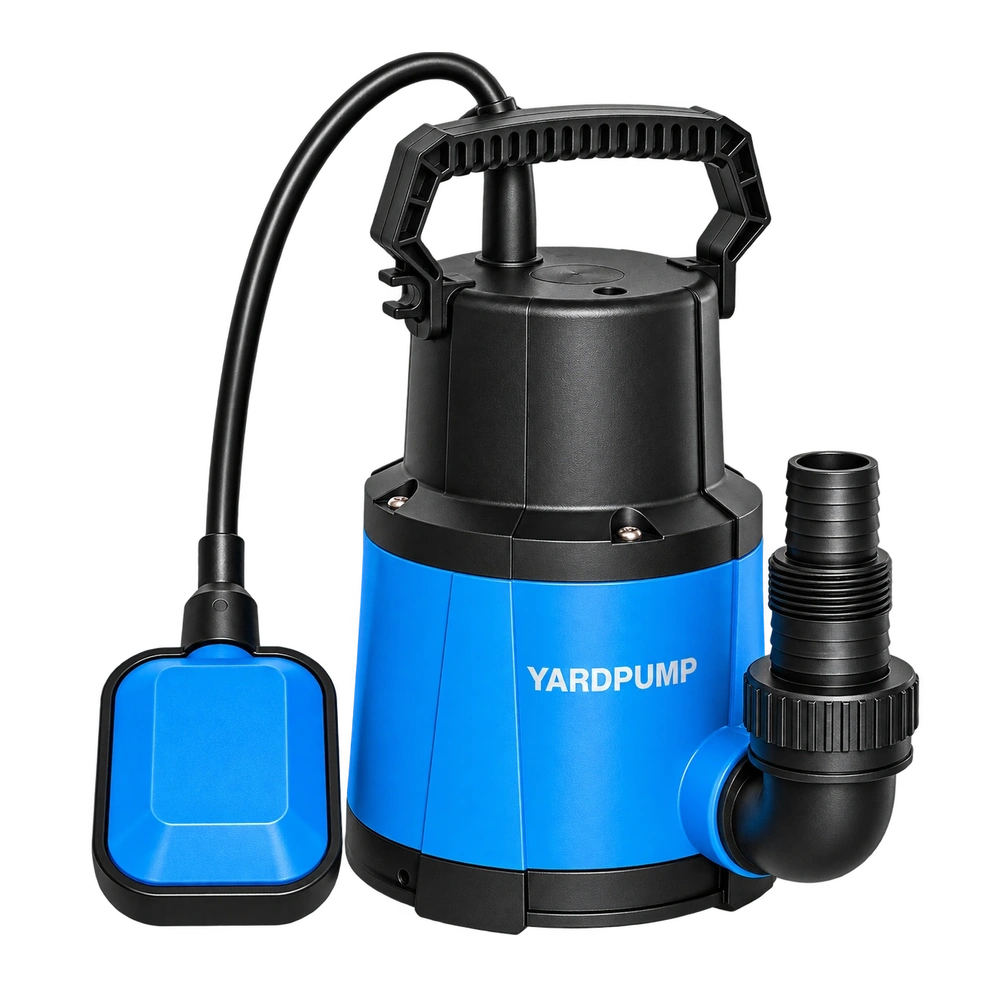
The pump cord remains securely anchored, yet conductors break near the outlet of its protective support. Does that contradict a successful pull test? No. Anchorage and repeated-flexing behaviour address different loads. A cable can remain in place while bending repeatedly over a small radius. Investigate exit support, routing and actual movement rather than asking only whether the clamp is tight enough.
No axial movement does not mean no fatigue
Repeated bending produces cyclic deformation in conductors and insulation. When movement concentrates over a short length, local strain can become important. Conductors may suffer damage before the outer sheath develops an obvious large crack. An intact appearance does not establish continuity, insulation or suitability for further submerged service.
Distinguish static installation radius from repeated-motion requirements. Cable structure, materials, temperature and manufacturer's conditions matter. A multiplier taken from another cable is not automatically applicable. Equal outside diameter also does not establish equal flexing capability or approval for the same movement.
The exit support controls where bending concentrates
An appropriate support helps the cable make a permitted transition rather than folding at a hard edge. Loose retention can transfer pull into internal connections, while unsuitable clamping can damage the sheath. Anchorage, sealing and bend protection need to work together; none automatically substitutes for the other two.
Frequent lifting, dragging or tightly winding the cord during storage can concentrate movement at the entry. Use the specified handle and retrieval method instead of lifting the pump by its cord. A softer cable is not automatically the solution either. Electrical, liquid, sealing and anchorage requirements remain part of the configuration.
| Investigation | Evidence to retain |
|---|---|
| Exact cable identity | Static and dynamic bend, temperature and use data |
| Exit and clamp | Support geometry, pressure marks, edges and sealing |
| Actual movement | Handling, storage, swinging and dragging routes |
| Fault location | Relationship of sheath, conductors and internal termination |
Do not flex a live cord to locate a fault
Intermittent operation, trips, visible damage or abnormal cable condition require disconnection and isolation followed by competent examination. A user should not bend an energised cable in a wet location to find a working position or touch equipment to check for leakage. Internal damage can accompany insulation risk. A temporary restart does not establish safe continued use.
Professional checks should use the appropriate methods for continuity, insulation, termination and damage location, retaining the original pairing and examination record. Cutting out a fault and adding a casual splice can compromise sealing and electrical boundaries. Submersible-cord repair needs a manufacturer-accepted arrangement; ordinary tape is not a complete underwater repair system.
Test the relevant bending task
A validation plan should identify cable construction, clamping, bend location, radius, direction, temperature and cycle conditions. Where safety requirements apply, competent personnel need the corresponding method and acceptance limits. There is no universal cycle count here for all pump cords. One hand bend is not fatigue acceptance evidence.
Imagine testing always bends the cable far from its entry while service damage occurs at a hard exit edge. Those arrangements do not test the same interface. Validation should represent the actual structure and examine sealing and electrical condition as well. Recording only whether the cable pulls out would miss the mechanism. This is an analytical scenario, not company test or complaint data.
Correct routing and instructions as well as the part
If exit geometry contributes, the design owner should review support and sealing consequences. If handling or storage contributes, provide instructions that can actually be followed. A cable-supplier or sheath change needs an effect review. An unchanged purchasing description must not conceal different flexibility or operating conditions.
A distributor receiving a return should photograph the full route from entry to plug and record installation and movement. A useful conclusion explains why damage concentrated at that location and how the action reduces the repeated strain. “Handle more carefully” is not a complete correction when the structural or routing cause remains undefined.
Questions about cord flexing
Can conductors break while the sheath looks intact?
Yes. Internal damage may occur first. Stop safely and arrange competent inspection of an abnormal cord.
Can a pull test replace bending validation?
No. They examine different loading. Confirm each according to the structure and applicable requirements.
Is a thicker cable always more flex-resistant?
No. Conductor structure, sheath, radius, temperature, support and the actual movement all affect the result.