A buyer asks whether a cable containing sixty copper strands must contain more metal than one containing thirty. Strand count alone cannot establish that. Two questions need separate answers: does the conductor meet the agreed cross-section and resistance requirements, and does the complete cable suit the intended bending task? More, finer strands can provide a different construction at a similar total area.
Convert strand count into a comparable quantity
For ideal circular solid strands, geometric metal area can be estimated as A = N × π × d² ÷ 4, where N is the number of strands and d is their diameter. Diameter is squared, so a small diameter change matters more than a simple count comparison suggests.
Consider a calculation example only. Thirty strands measuring 0.25 mm in diameter give approximately 1.47 mm² of geometric area. Sixty strands measuring 0.18 mm give approximately 1.53 mm². The count doubles; the area does not. These are hypothetical constructions, not prescribed standard designs or a conformity assessment of any nominal conductor size.
Actual acceptance also involves conductor material, resistivity, lay length, manufacturing variation and the applicable measurement method. Geometry can reveal inconsistencies, but it should be considered alongside the agreed conductor specification and resistance results. Insulation outside diameter is not copper area. Colour, plating appearance or a single weight measurement is also insufficient proof.
| Purchasing question | Evidence to request | Why strand count is insufficient |
|---|---|---|
| Conductor cross-section | Construction details, strand dimensions and specified resistance | Count omits diameter |
| Installation flexibility | Conductor construction and complete-cable behaviour | Insulation and sheath affect handling |
| Repeated movement | Declared cable duty and relevant test conditions | Softness does not establish flex-cycle endurance |
| Submerged service | Complete-cable suitability and connection design | Strand count says nothing about water resistance |
Flexibility and repeated bending are different requirements
At a comparable total area, finer individual strands generally help conductor flexibility. The finished cable also depends on strand lay, insulation, sheath and internal arrangement. A cable that bends easily during installation is not automatically suitable for continuous movement, torsion or repeated sharp bending at its termination.
Describe the actual duty before selecting a construction. Is the cable fixed after installation, occasionally repositioned or continuously moving? Where does it bend, and what restraint supports it? Those details are more useful than asking for the largest possible strand count.
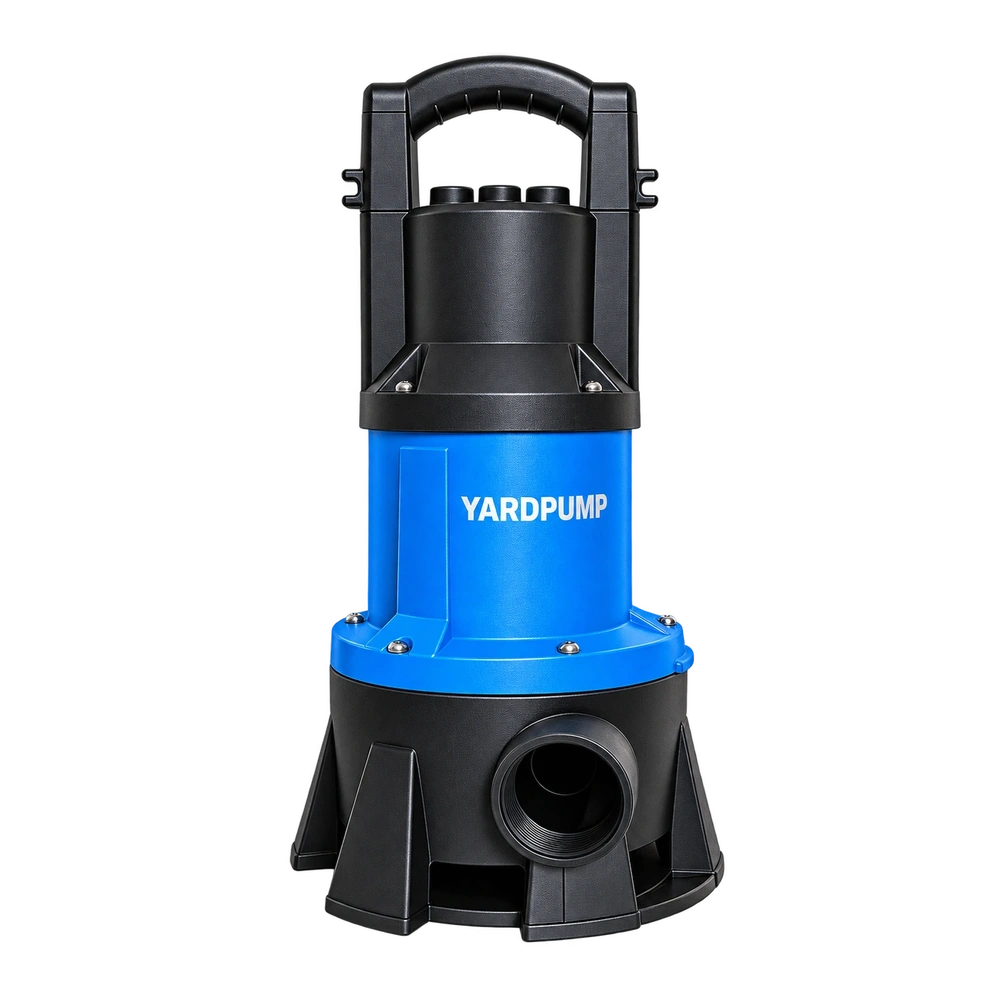
For a submersible pump, the cable entry and strain relief are part of the assessment. Even a suitable cable can be damaged if it supports the pump's weight, rubs against a sharp edge or bends tightly at the entry. Follow the pump's handling and installation instructions. A finely stranded conductor cannot compensate for an unsuitable mechanical load path.
Build an incoming check that another person can reproduce
Freeze the purchasing requirement: core count, nominal area, conductor material and class, insulation, sheath, markings and intended duty. If the supplier proposes another construction, require an explanation of the changes and evidence that the agreed performance remains satisfied. “Number of wires” should not be the only critical characteristic.
Link sampled lengths to packaging lots and cable markings. Competent personnel should check construction and resistance using the applicable method, recording length, temperature and any required correction. Strand diameter needs a suitable instrument and sampling method. Flattening soft copper during measurement can distort the result.
Electrical, insulation and immersion-related tests require the specified equipment and qualified personnel. Do not strip an operating pump cable to make an informal live comparison. A destructive sample used for incoming inspection must remain separate from a cable released for service.
Interpret a construction change before judging it
A different count can represent an approved redesign, an alternative manufacturing construction or an unapproved change affecting area, material or resistance. Compare the complete design versions and traceable results. If the supplier cannot explain the change, hold approval of that substitution while determining the affected lots.
The practical outcome should identify what was confirmed for the specific cable, lot and duty. This discussion does not specify the cable configuration of any YARDPUMP model and does not replace the finished-cable requirements of a particular market.
Frequently asked questions
Do thinner strands necessarily mean higher resistance?
Not by themselves. Compare total effective area, material, actual length and temperature. More fine strands can provide an area similar to fewer thick strands.
Does a softer cable necessarily suit a submersible pump?
No. Handling flexibility does not establish suitable insulation, sheath, immersion performance or cable-entry compatibility.
Is resistance testing still useful when count and diameter match?
Yes, according to the agreed inspection plan. Geometric construction checks and resistance measurements provide different evidence and cannot completely replace each other.