A pump seal leaks during a cold start but appears dry after the assembly warms. Has it repaired itself? No. Warming can restore some elastomer flexibility or contact conditions, but it does not establish that the seal is undamaged or suitable for cold service. Preserve the cold-condition evidence and assess the exact compound and assembled seal over the required temperature range.
A rubber family name is not a cold limit
Elastomers become less flexible as temperature falls, and their dimensions change relative to the surrounding parts. The rate of recovery and ability to maintain contact depend on the compound, geometry and service. Two compounds within the same NBR, EPDM or FKM family can have different relevant low-temperature performance.
A brittleness or glass-transition value on a material sheet is not automatically the minimum temperature at which an assembled seal will remain leak-tight. Static contact, movement, pressure and recovery requirements matter. Do not choose a pump's winter operating limit from one generic rubber table or assume a more expensive elastomer is always better in the cold.
Separate reversible behaviour from permanent damage
Loss of flexibility or dimensional contact can contribute to a temperature-dependent leak. Cracking, abrasion, chemical damage and compression set can also exist. A seal that becomes leak-tight when warm may still retain one of those defects. The absence of visible warm leakage therefore cannot clear it for the next cold start.
Also distinguish elastomer behaviour from freezing water or a cracked housing. Frozen trapped liquid can damage parts by a different mechanism. Record actual liquid and component temperatures rather than using the outdoor forecast as a substitute. An indoor pump, a stored spare and an exposed discharge fitting may experience different conditions.
Reproduce the condition under a supported plan
For an illustrative validation, condition the approved assembly at the required cold state, assess the specified sealing behaviour and follow the agreed warm recovery sequence. Record temperature, pressure, time and any movement. The plan must establish the relevant dwell and acceptance limits; simply placing a loose ring in a freezer is not an assembled seal test.
Electrical isolation and competent testing are essential. Do not energize an unverified leaking pump or apply a flame, boiling water or uncontrolled heat to force recovery. Avoid destructive experiments on the only returned part before its condition and identity have been recorded. A laboratory or responsible engineering team may be needed for repeatable assessment.
Choose a correction that covers the next cold event
Confirm the exact compound, dimensions, gland and mating materials against the released design. If a replacement grade is proposed, review chemical and high-temperature compatibility as well as cold behaviour. Improving one end of the temperature range can affect another requirement. Do not compensate by arbitrarily increasing squeeze or tightening the housing harder.
For seasonal equipment, the appropriate correction may involve an approved material, revised geometry or different storage and operating arrangements. The decision must reflect the actual task. A pump that is intended to be drained and stored should not be silently relabelled for freezing service after one successful warm run.
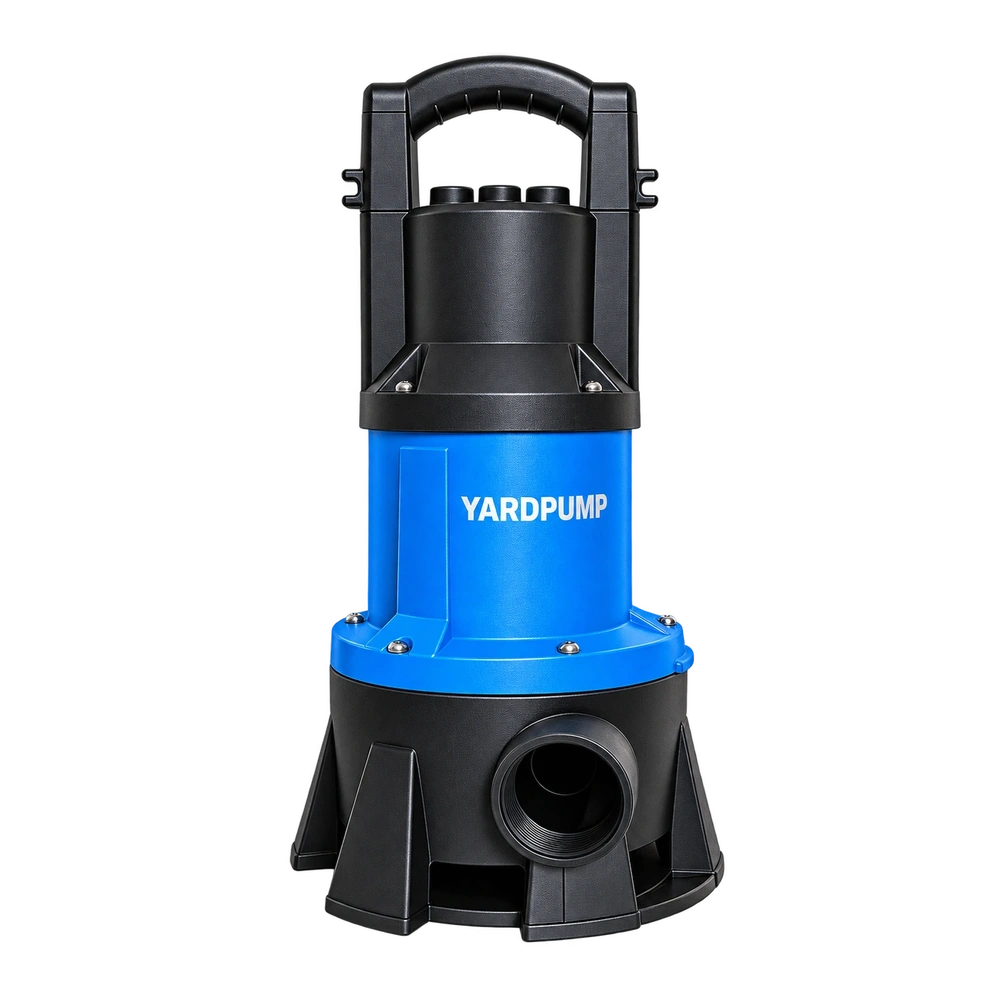
For YARDPUMP compact pump and spare-seal procurement, use model-specific limits and approved compounds. This guide makes no common winter rating for the range. Its practical value is to treat warm recovery as diagnostic information, then establish a reliable cold-service or storage decision instead of calling intermittent leakage harmless.
If the complaint occurs only after storage, record whether the assembled seal was unloaded, compressed or exposed to liquid during that period. The same nominal temperature can produce different recovery behaviour with different histories. Keep a retained approved spare for comparison where available, but do not assume that a long-stored reference remains unchanged. The comparison needs identified conditioning, not simply an old ring labelled “good.”
Frequently asked questions
Does warm recovery prove the seal is reusable?
No. Inspect for permanent damage and verify the intended cold condition through the approved method.
Is FKM always better at low temperature?
No. Low-temperature performance depends on the exact compound and assembled application, not price or family name alone.
Is a loose-ring freezer test sufficient?
No. It does not reproduce gland contact, pressure, movement or the complete pump condition.