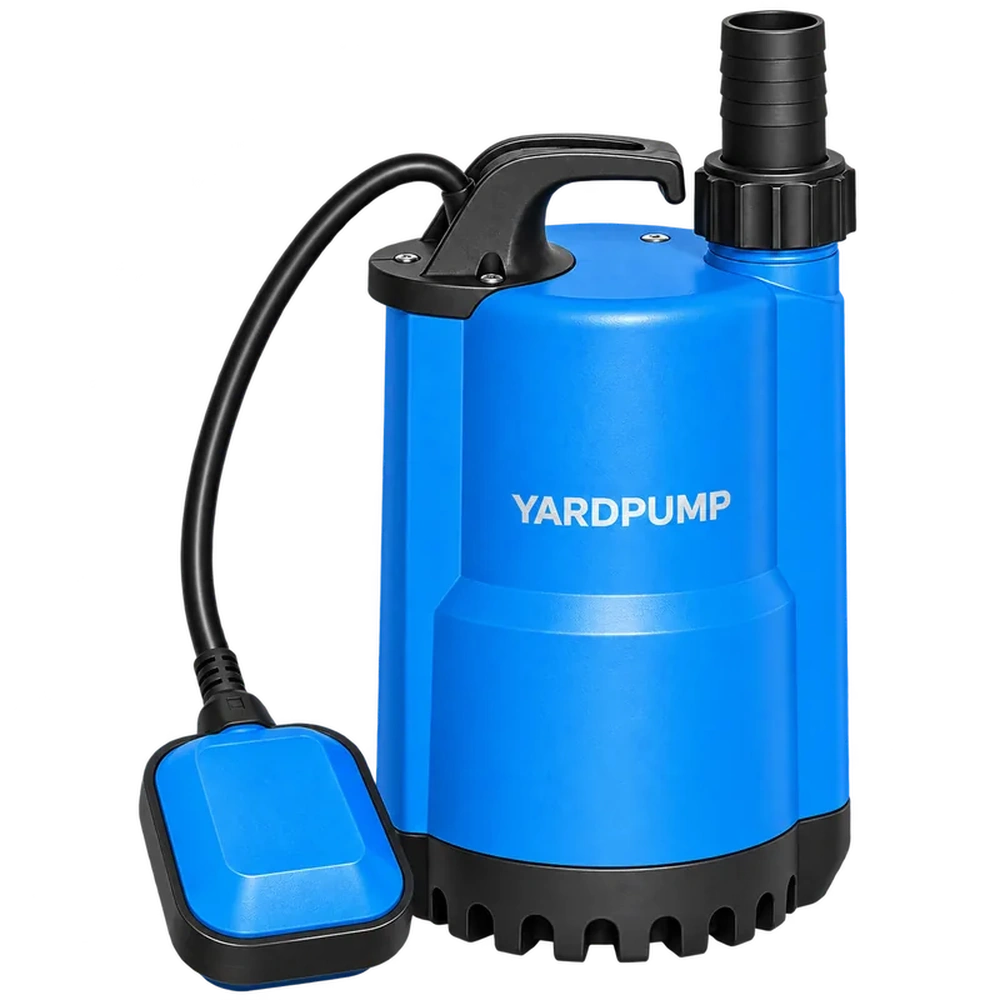
Imagine a sump pump’s totalizer rises on every run. Water can be heard returning after shutdown, and the pump starts again sooner than expected. Does the accumulated display show how much water was actually removed? First establish how the meter handles reverse flow. A forward-only total can record water pumped past the meter without showing how much stayed on the discharge side. Meter position and cycle boundaries matter before the figures can be interpreted.
Direction settings change what a total means
A bidirectional instrument may support forward-only, separate directional or signed net totals. Even if its sensor recognises direction, a pulse output, controller or spreadsheet may discard that information. Check the instrument version, direction marking, output channel and controller configuration. Do not assume that a total on the display already subtracts the return. Identify the location relative to the check valve and whether the returning water crosses that point. A bypass or return from another section can carry water back without passing the same meter.
Record a complete start and stop cycle from a known state until the same condition is reached again. For comparisons, keep stored water in the line reasonably comparable. Filling a hose, changing downstream storage or switching a branch can make the net meter volume differ from the volume leaving the final outlet. Choose a measurement location that matches the acceptance boundary. If using pit level instead, account for ongoing inflow and actual storage between the levels.
Verify direction before interpreting the reading
For illustration, suppose 40 litres pass the meter in the forward direction and six litres pass the same point in reverse after shutdown. With no unmetered bypass and the stated boundary, net volume through the meter is 34 litres. A forward-only display would show 40. If water remains in the line or returns along a different path, do not describe the 34 litres as a measurement at the final outlet. The figures illustrate signed totals; they are not allowable check-valve leakage or a product claim.
Have suitable personnel confirm the approved installation, full pipe condition, direction signal, low-flow cutoff and the instrument’s ability to capture a short reverse event. If the meter cannot measure reverse flow, use an independently verified method. Sound cannot quantify the volume. Any changes to pressurised pipework or electrical settings require appropriate isolation, verification and safe pressure handling. Do not change wiring live or loosen a pressurised joint to observe flow. Record level, time and both directional quantities so one odd stop can be separated from a recurring loss.
Use both totals to decide what needs attention
If forward flow and head are normal but confirmed backflow reduces net delivery, investigate the valve, installation and return path first. If reverse flow is small and the forward result is inadequate, check water level, head, hose and pump condition. Both faults can occur together. After correction, verify forward delivery and net volume across the cycle. Keep the measurement location and conditions with the result. A larger accumulated number does not help the user if much of the water is being pumped again.
Mark the meter location relative to the pump, check valve and branches. The meter can subtract only flow that crosses its measurement plane. A return path around it can raise the pit level without showing a matching negative reading. A net total at one pipe section also does not automatically explain pit storage; inflow, a second pump and water retained in the line can change the balance.
Frequently asked questions
Will a meter upstream of the valve detect every return?
Only if the water crosses that measurement point and the instrument can measure the short reverse event.
Can a rising pit level after shutdown establish the return volume?
Only with the storage, inflow and timing accounted for and other paths considered. First establish where the extra water came from.
Does low net volume prove the pump is undersized?
No. Compare forward duty with the measured reverse volume before choosing a pump or valve change.