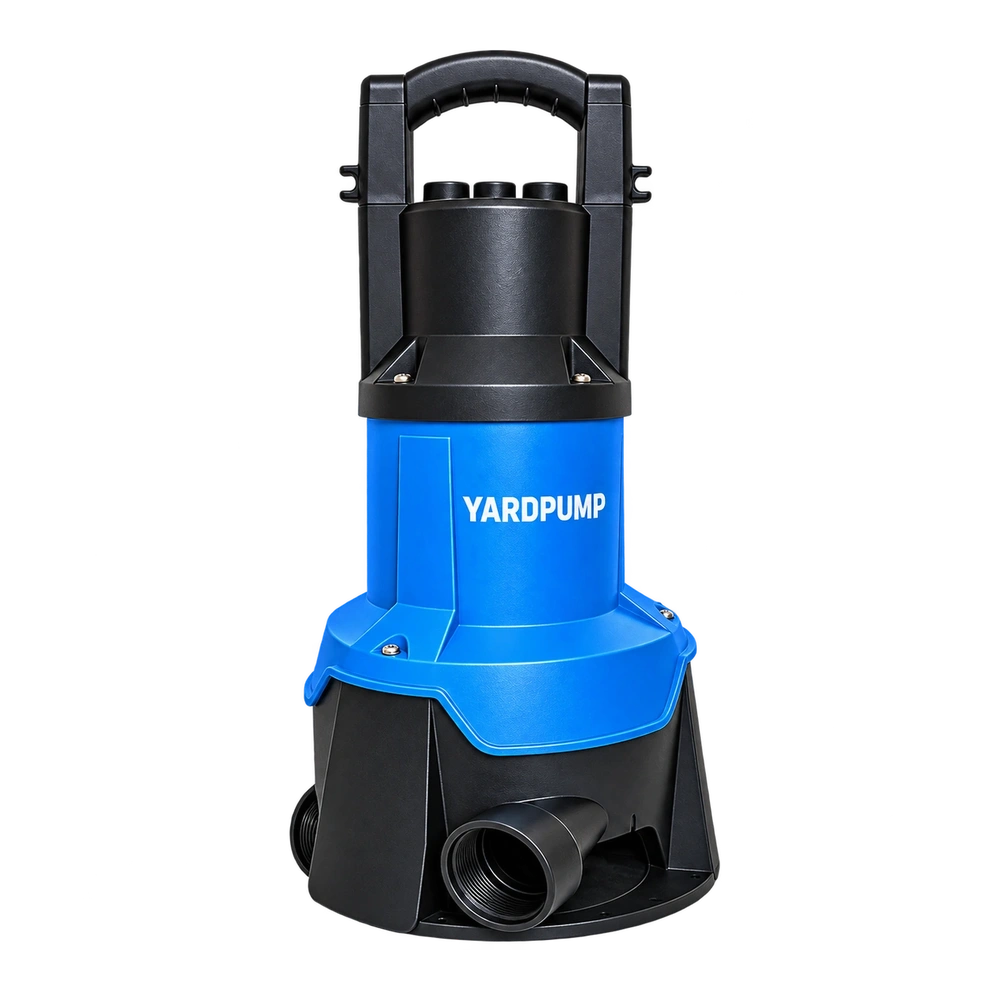
Consider a hypothetical instrument change on a test stand. A pump test stand receives a new pressure transmitter. Without any apparent improvement in delivery, calculated head increases by roughly ten metres. Could the pump really have changed that much? Check whether an absolute-pressure signal has been treated as gauge pressure. Absolute pressure includes the atmospheric contribution; gauge pressure uses the local atmosphere as its reference. Mixing those bases can insert a large false term into a small pump's result.
Put the pressure reference beside the unit
Bar, kilopascals or megapascals tell you a unit, not the pressure reference. The complete description must identify absolute, gauge or differential measurement. An absolute sensor exposed to ambient pressure does not read zero absolute pressure. A vented gauge sensor should represent the difference from its atmospheric reference, within its applicable conditions.
Do not confuse this with a sensor that has merely developed a zero offset. A correct absolute reading near atmospheric pressure is not an offset to remove by indiscriminate recalibration. Identify the device model, range, reference type and signal scaling first. A suffix or software tag that was copied from the previous sensor can leave the new physical reference hidden.
Use consistent endpoints in the head calculation
For illustration, assume local atmospheric pressure is 100 kilopascals and a measured discharge pressure is 140 kilopascals absolute. Relative to that atmosphere, the pressure contribution is 40 kilopascals, or about 4.1 metres of water at the assumed density. Treating all 140 kilopascals as gauge pressure would produce about 14.3 metres: approximately 10.2 metres too much.
These are calculation examples, not a calibration or a YARDPUMP duty point. They describe the pressure term only. A complete pump-head method must also use the prescribed inlet or source condition, pressure-tap elevations and velocity terms. Do not declare the resulting total head from pressure conversion alone.
| Arrangement | Reference check |
|---|---|
| Gauge discharge reading with an open source | Confirm the atmospheric basis and defined source elevation |
| Two absolute pressure readings | Difference them consistently under the approved method |
| One absolute and one gauge reading | Convert to a common basis before subtraction |
| Differential pressure transmitter | Verify high/low ports, range and applicable elevation effects |
Do not subtract atmosphere twice
When valid absolute inlet and outlet pressures are subtracted, a shared atmospheric contribution can cancel. Subtracting another atmosphere from that already formed difference would create a different error. A fixed nominal atmospheric value may also be unsuitable where the required uncertainty or conditions call for an actual local value.
Sealed-gauge references require their own interpretation. The word “sealed” does not mean that every pressure sensor follows the current atmosphere. Verify the manufacturer's definition rather than guessing from the enclosure. The relevant baseline is a physical measurement property, not a preference selected to make the curve match a catalogue.
Trace the value from sensor to report
Qualified test staff should check the transmitter, acquisition scaling, displayed unit, reference description and calculation formula as one chain. Retain original readings and the conversion used. Where an approved atmospheric check is appropriate, perform it only after safe isolation and pressure management. Do not loosen a live pressurized fitting or vent an unfamiliar connection to look for zero.
After correcting the basis, re-evaluate affected results under the documented decision rule. An apparently improved maximum head may have been a processing error, but that does not automatically invalidate every other measurement channel. Identify the affected sensor and time interval, then repeat or recalculate only with a justified record.
For compact low-head drainage pumps, an atmospheric-pressure mistake can be larger than the useful head being measured. A buying report should therefore state pressure reference as clearly as unit and tap location. That simple discipline makes the claimed flow/head point assessable without pretending a sensor substitution physically improved the pump.
Frequently asked questions
Does an absolute sensor reading near one bar mean it is broken?
Not when it is seeing atmospheric pressure. Check its intended reference and range before treating the reading as an error.
Can I always subtract one bar to convert absolute to gauge?
Not for an accurate general method. Use the relevant atmospheric pressure and required procedure; local conditions and measurement purpose matter.
Does a differential transmitter remove all head corrections?
No. Port arrangement, tap elevation, velocity and the defined test method still require assessment.