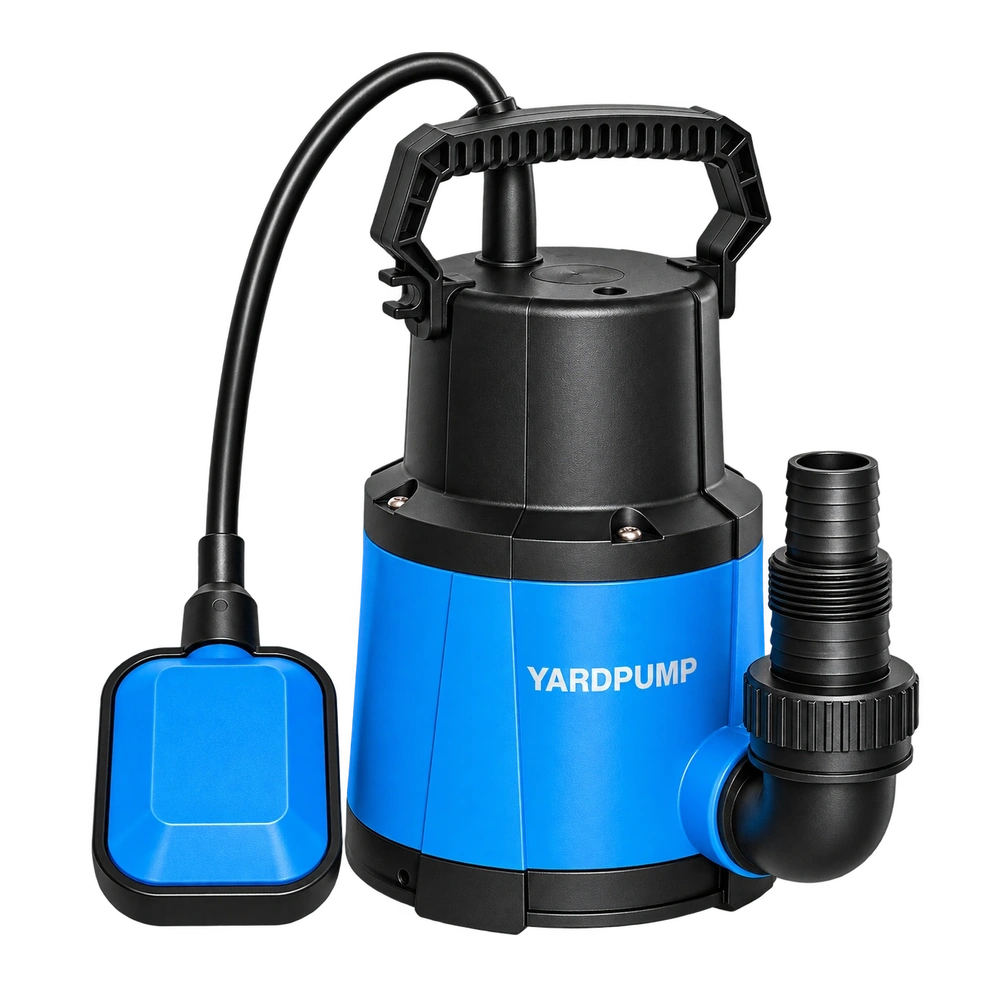
A replacement impeller weighs 20% less, and the supplier claims the pump will therefore use 20% less electricity. That calculation is not justified. Lower rotational inertia mainly changes the acceleration requirement. During steady pumping, shaft power still depends on operating point, hydraulic efficiency and mechanical losses.
A lighter part may be useful, but assess startup and sustained operation separately. Weight reduction is not an electricity-saving percentage.
Mass and inertia are different
Mass describes weight-related quantity. Rotational inertia also depends on where the mass lies relative to the axis. Two parts with equal mass can require different acceleration energy if their material is distributed differently.
Weighing therefore provides only part of the information. It cannot directly establish inertia, and inertia alone cannot establish running input power.
Inertial torque depends on angular acceleration. Once speed is steady, the acceleration requirement is no longer continuous, but the pump must still transfer energy to water and overcome losses.
Startup also involves fluid transients and motor behaviour. A single inertia value cannot predict starting current and duration completely.
Keep two energy accounts separate
For a hypothetical component with a rotational inertia of 0.0002 kg·m² at about 3,000 rpm, rotational energy is approximately 9.9 joules. Reducing inertia by 20% reduces that component’s energy at the same speed by approximately two joules.
These are illustrative values, not pump measurements. Now imagine a complete pump drawing 500 watts steadily for one hour: it consumes 1.8 million joules of electrical energy.
The examples concern different objects and timescales. A 20% reduction in component inertia cannot be translated into a 20% reduction in hourly electricity.
Actual starting electrical energy also includes other rotating parts, fluid behaviour and motor losses. It is not equal to the component’s stored rotational energy.
| Comparison | Useful measurements | Unsupported shortcut |
|---|---|---|
| Startup | Duration, current and actual input energy | 20% lighter means 20% lower starting current |
| Steady pumping | Input power at equivalent duty | Mass reduction gives proportional saving |
| Mechanical behaviour | Balance, fit, stiffness and vibration | Lighter always means more reliable |
| Complete task | Starts, duration and measured consumption | One startup improvement proves annual savings |
Identify what changed with the weight
Material, wall thickness, blade geometry and surface condition may change together. Equal outside diameter does not establish equal passages, clearances or deformation.
If measured power falls, first check that required flow and head remain satisfied. A pump doing less hydraulic work should not be presented as a demonstrated efficiency improvement.
Weight can also affect bearing loading, friction or structural response. It would be too absolute to claim it can never influence steady losses. Establish the actual mechanism and size of any effect instead of assuming either no benefit or a guaranteed saving.
Thinner construction also requires assessment of strength, deformation, wear and clearances. Electrical measurements do not prove mechanical integrity.
Make the comparison reviewable
Control supply, speed conditions, liquid and temperature, and evaluate the same intended operating point. Record input power, flow, head and relevant mechanical observations.
For startup comparisons, retain the actual transient measurements and operating conditions separately. Use suitable instruments and qualified personnel. Do not dismantle an energised assembly or bypass protection to obtain a test.
One cold reading does not represent thermal equilibrium, and unloaded rotation does not replace a pumping comparison. If the curves differ, explain how corresponding conditions were selected rather than presenting each version’s most attractive number.
Frequent-start duties may justify evaluating energy over the complete cycle. Long continuous duties place more emphasis on steady operating performance. Commercial significance follows actual use, not the weight of one component.
Specify the claim as well as the part
Ask whether “lighter” is a weighing result or whether an independent energy comparison exists. Define duty, method, operating state and permitted difference in acceptance requirements.
If only weight was measured, claim only the supported weight change. Do not place an unmeasured electricity-saving percentage on cartons or sales pages.
Frequently asked questions
Will a lighter impeller always start faster?
No. Total inertia, motor torque, fluid loading and control all matter. Component mass alone cannot determine duration.
What does lower input power at equal flow and head demonstrate?
Under comparable measurement conditions, it can support improved input-energy performance at that duty. Thermal behaviour, reliability and complete-task limits still need assessment.
Is inertia irrelevant for frequent starting?
No. It can affect cycle energy and starting behaviour. Measure the real cycle rather than treating one rotational-energy calculation as total consumption.