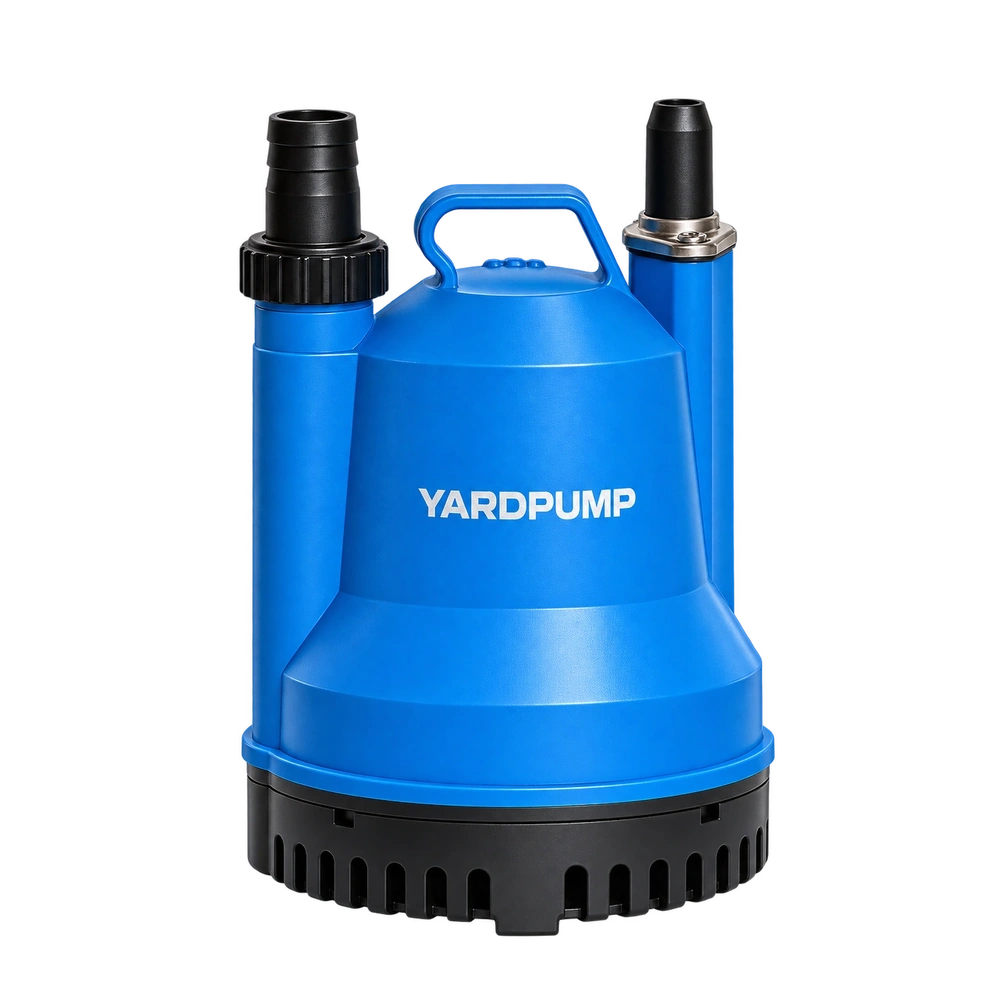
Suppose a supplier polishes a centrifugal submersible pump impeller until it looks brighter, and the water test shows a change in flow. Before attributing it to surface finish, verify that polishing has not also changed the vane edges, passage width, impeller diameter or balance. Smoother wetted walls can affect friction and local flow. Removing enough material can also change how the impeller transfers energy to the water. If several variables change at once, the test shows a difference between samples but does not tell a buyer which feature to specify on the next order.
Surface shine is not a comparable roughness measurement
Mark where the original burrs, mould texture or casting marks were. Vane inlets, outlets, internal passages and exterior surfaces do not serve the same purpose. Gloss can change with material and finishing direction. A reflective photo cannot compare the surfaces the water actually passes. If roughness is an acceptance item, agree on repeatable locations, direction, measurement method and datums. Link each result to the drawing and process revision. Where internal wetted surfaces cannot be reached directly, agree on a verifiable sampling or measurement approach with the supplier. Do not use the finish on the outside as proof of the finish inside.
Finishing can also remove material from the edges of a vane. Leading edge shape, outlet thickness, the narrowest part of a passage and impeller diameter all affect flow. A shape change can affect balance or running clearance too. Measuring the outside diameter alone misses important passage changes. For open or recessed impellers, also record the relevant position relative to the casing. A dirty-water pump has to retain the passage and delivery characteristics required for its application. One clear-water reading cannot establish that every aspect of that duty has improved.
Make the test answer one question
Start with samples of the same drawing and material revision. Record original geometry, surface condition and mass. To isolate a surface change, recheck impeller diameter, blade thickness, inlet and outlet edges, critical passage dimensions and applicable balance after treatment. Use the inspection conditions for the actual part to judge whether those measurements are comparable. Keep the same pump housing, shaft arrangement, clearance and speed. Within approved water temperature and test conditions, record flow, head and real input power at several common duty points. If test repeatability is too poor to resolve a small difference, leave it unconfirmed.
Consider an illustrative comparison. Impellers A and B have the same outside diameter. B has thinner outlet edges and a wider passage, and delivers more flow at one head. Geometry has already changed, so the difference cannot be assigned to polishing. If a second comparison passes the geometry and balance checks and shows a repeatable change under the same conditions, then assess whether that surface process is worth adding to the specification. This example does not promise a flow gain or set a roughness limit for any model.
Specify an acceptance test someone else can repeat
A dealer or OEM buyer should ask how the finishing step, permitted material removal and inspection points will carry from samples into production. A supplier can intentionally change shape and finish together. Treat it as a design revision and record new geometry, pump curves, material or surface protection, balance and durability. State the limits of a clear-water test. When service is investigating wear, preserve the removed impeller and compare it with the approved part and actual duty. Users should not remove material and run a modified pump in water. The purchase decision depends on repeatable performance in the intended use; a brighter sample is only an observation.
List any casing, shaft seal or bearing changes between the two tests. Each can affect measured input. The full difference cannot then be credited to the impeller.
Frequently asked questions
Will a smoother impeller always improve pump efficiency?
No. Surface effects depend on the location and hydraulic conditions. Exclude changes in geometry, clearances and other variables first.
Does equal outside diameter mean the two impellers have the same geometry?
No. Check vanes, passages, critical edges and position after assembly.
Can a clear-water flow improvement replace dirty-water application testing?
No. It does not verify the passage, clogging behaviour or wear performance required for the intended application.