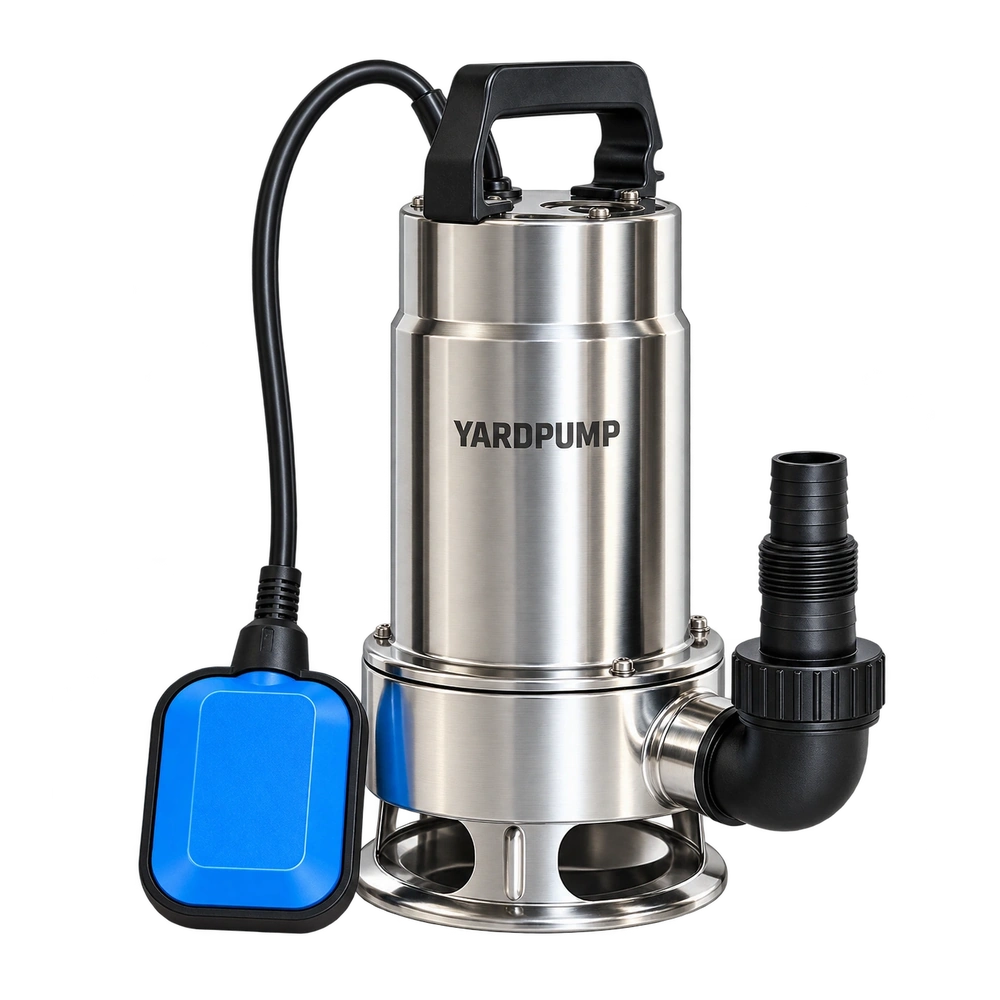
A centrifugal pump loses flow after picking up debris. Its sound changes and the ammeter moves, but the inlet screen is mostly clean. Could a single impeller passage be blocked? Yes. An uneven obstruction can reduce the hydraulic work done by one part of the impeller and impose a fluctuating load as it turns. The change in motor current has no universal direction, and vibration by itself cannot tell a service team what is lodged inside.
Compare what changes together
An impeller transfers energy to water through its rotating passages. A piece of debris lodged between two vanes changes the effective area and direction of flow locally. Other passages may still deliver water. The resulting velocity and pressure field can be uneven as the affected passage moves past the casing. If the debris carries mass off centre, it can also contribute to mechanical imbalance. A clean inlet screen excludes only one visible restriction.
Document flow, head and electrical input at a repeatable operating condition, along with water level, frequency and valve position. Compare the same pipe arrangement before and after any correction. When practical on an approved test stand, compare more than one point in the allowed range. An upstream restriction can reduce overall supply, and entrained air can generate unsteady pressure and noise; both can alter the curve without a blocked vane passage. A motor or bearing problem can change vibration without reproducing the hydraulic deficit. Combine observations instead of selecting one decisive reading.
Save the original physical evidence
Isolate energy and relieve pressure before inspection. Have authorized personnel follow the manufacturer’s access procedure. Photograph the inlet and visible passages before moving the debris. Record the impeller orientation and the location of any lodged piece, scratches, chipped edges or wrapped fibres. If the affected area cannot be accessed without invalidating a warranty or disturbing the seal, preserve the unit for the service facility. Do not spin it exposed, add improvised access, or probe near a moving impeller.
With suitable vibration data, a once-per-revolution component can be compared with the shaft speed, and changes around vane-passing frequency can be compared with the expected pattern. Neither is an identification test. Eccentric mounting, a damaged vane, the casing and the piping can all change spectra. Sensor location and mounting matter. Compare like with like and retain readings that show whether flow and head changed at the same time. Hydraulic loading can change with flow, so a dry or disconnected run is neither a substitute for wet evidence nor an acceptable experiment on a pump requiring liquid.
Recheck the unit after an approved correction
In a hypothetical service check, a pump that delivered 45 litres per minute against 5 metres at an agreed point now delivers 37 litres per minute at that same head. One passage is photographed with debris in place. After approved removal the comparable reading is 44 litres per minute, and the abnormal vibration falls. That combination supports the obstruction hypothesis. It does not show that every complaint with an 8-litre change has the same cause. If flow recovers but vibration persists, inspect for separate damage, uneven wear, assembly error or debris left in another area.
Use the evidence to pick a response. A one-time foreign object may call for a cleanout and a check of the intake barrier. Repeated plugging by material actually present in the liquid calls for a new look at the duty and the pump’s permitted solids. Collect representative debris characteristics and check the smallest passages in the installed system before promising that a larger nominal solids figure will solve it.
Frequently asked questions
Does motor current always go up when one passage blocks?
No. Hydraulic load, friction from debris and the changed operating point can push input in different directions.
Is normal flow after removal enough to clear the pump?
Check the agreed performance point and any remaining vibration, leakage or visible damage before release.
Why photograph the piece before pulling it out?
Its position and orientation can show how the restriction affected the passage and help distinguish the object from debris introduced during disassembly.