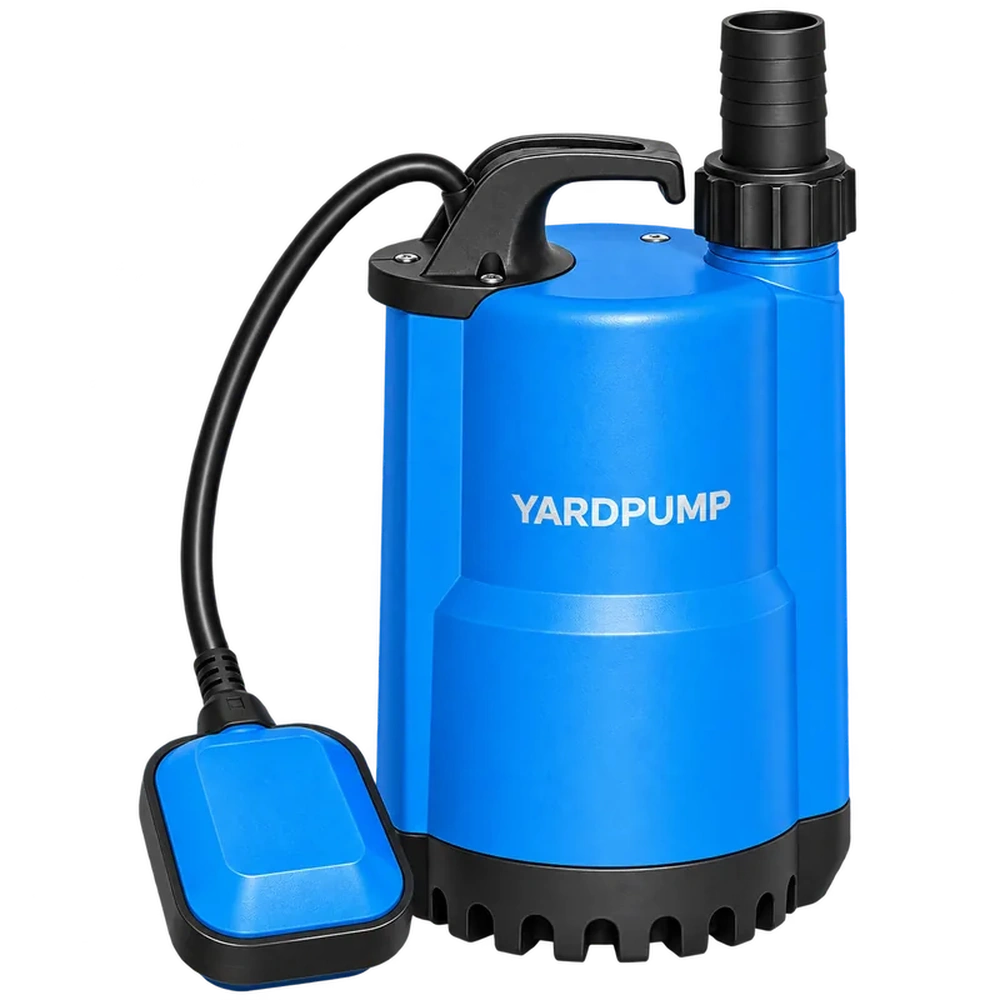
When a sample or returned pump raises the question “Should Controllers and Sensors Be Isolated Before a Pump Insulation Test?”, replacing the first suspect part can destroy evidence. Separate geometry, material, assembly, operating history and measurement chain. Map the motor, controller, sensors and surge components before a qualified person selects test points and voltage, then discharge the circuit fully. One passing result proves only the characteristic the check covers.
Define the exact decision before testing
The DC voltage used for insulation resistance testing can exceed what a controller, sensor or surge component accepts. Without mapping connections, the reading can represent electronics—or damage them—instead of motor insulation.
The boundary is specific: 旧文讨论受潮绕组干燥后放行;本文解决整机带电子部件时兆欧测试边界和误伤风险。 A result from an adjacent problem can look relevant while answering a different decision.
Within the Motors and Electrical Systems: Load, Starting and Heat section, the controlled decision is pump insulation resistance test electronics. The record should repeat the exact scenario in “Should Controllers and Sensors Be Isolated Before a Pump Insulation Test?” and identify the physical item, revision or site condition to which the conclusion applies. If any of those identifiers changes, reopen the assumptions instead of carrying the previous answer forward. This keeps the article's decision distinct from neighboring pump topics even when some tools or measurements are shared.
An illustrative calculation or comparison
After isolation and absence-of-voltage verification, a qualified person selects test points, voltage and duration. Keep the tester connected through discharge and confirm safe residual voltage before reconnecting electronics.
Label every assumption as an example and every observation with its measurement boundary. Values from different locations, units or time windows are not directly comparable. Keep original quantities and conversion steps so teams can reproduce the conclusion.
A practical investigation sequence
Preserve the as-found condition. Photograph identification and scale, and record duty, temperature, revision and instruments. Work from external and nondestructive checks toward controlled dismantling with a known comparison unit. Electrical testing requires isolation and a qualified person. Do not add scratches or deformation that could be mistaken for the original fault.
Use three columns: what was observed, what it can rule out, and what it cannot prove. This prevents one complaint becoming an invented industry rate and stops the investigation ending at the first plausible clue.
For pump insulation resistance test electronics, the record must convert the title question into traceable fields.
Turn the result into an acceptance record
Keep model and revision, sample or site identity, date, liquid and environment, dimensions or pipe route, instrument and range, raw readings, photograph references, conclusion and open actions. If a part, valve, setting or position changes, retain distinct before and after states rather than only the final successful image.
Set acceptance criteria before testing. A boundary value calls for attention to resolution, repeatability and sample variation; rounding should not manufacture a pass. For a field complaint, restore a safe controlled condition before assigning commercial responsibility.
Limits of the method
An industry mechanism is not a specification for every model. Dimensions, materials, test voltage, oil quantity, torque and temperature limits come from the applicable drawing, component instructions or approved plan. Examples are neither YARDPUMP test data nor failure-rate claims. Never bypass a protector, safety device or alarm to simplify diagnosis. If liquid, wiring or construction cannot be established, stop and obtain qualified direction.
Frequently asked questions
pump insulation resistance test electronics question 1: Can one passing sample release the lot?
Not automatically. Define lot, sample size and acceptance rule before testing, and validate critical changes at the appropriate scope. For this article, also apply the site or revision boundary stated in “Should Controllers and Sensors Be Isolated Before a Pump Insulation Test?”.
pump insulation resistance test electronics question 2: What should be preserved before dismantling?
Keep as-found photographs, sample identity, operating timeline and uncleaned contact surfaces. Record dismantling sequence. For this article, also apply the site or revision boundary stated in “Should Controllers and Sensors Be Isolated Before a Pump Insulation Test?”.
pump insulation resistance test electronics question 3: Can an industry rule set tolerance?
No. Industry knowledge identifies checks; approved drawings, component data and validation establish actual limits. For this article, also apply the site or revision boundary stated in “Should Controllers and Sensors Be Isolated Before a Pump Insulation Test?”.