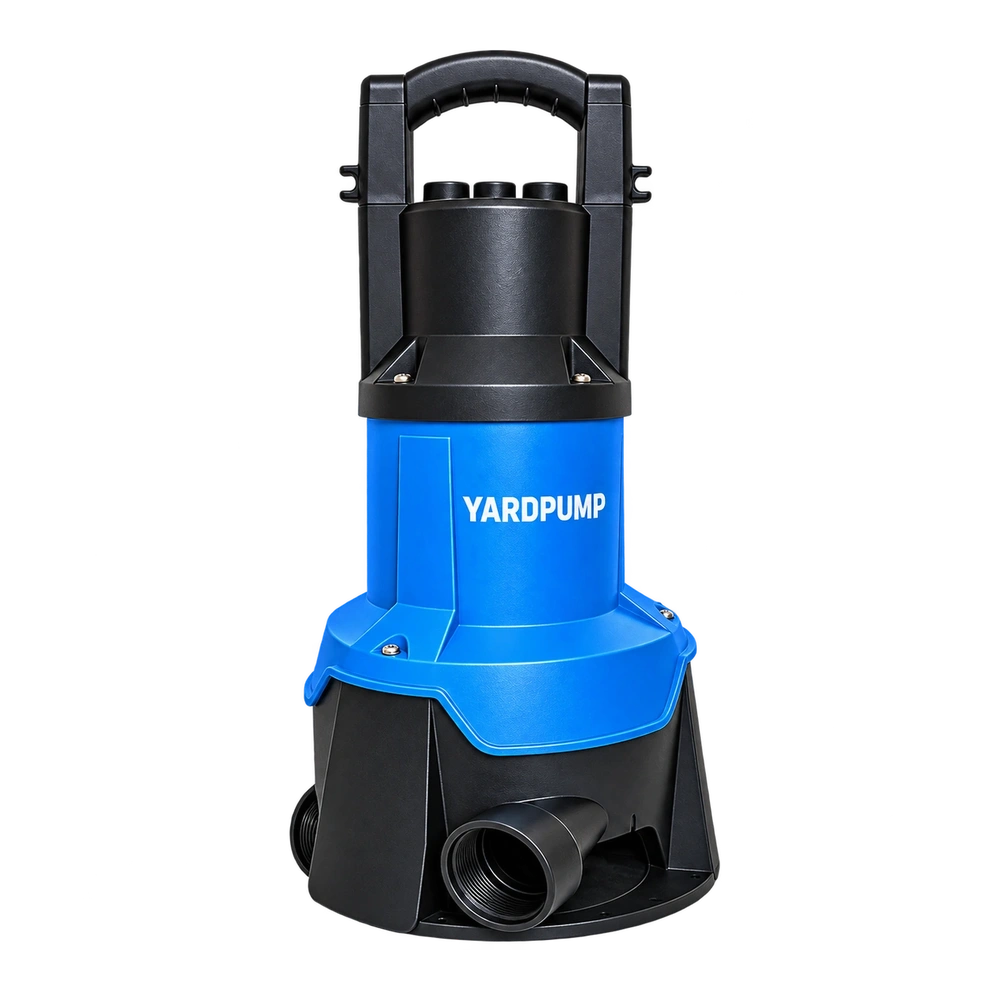
The rubber lip looks intact, but a dismantled pump contains a broken, corroded garter spring. Could that still cause water ingress? Yes, in a seal designed to use that spring, it contributes to the specified radial lip loading. Rubber condition alone cannot clear the complete seal. Preserve the spring and corrosion pattern, then investigate the actual material and fluid exposure.
The spring is part of the seal specification
A spring-loaded radial lip seal combines elastomer geometry with a garter spring and other supporting elements. Its function is not defined by the rubber family alone. Two seals marked with the same elastomer can have different spring and case materials, dimensions or preload characteristics.
Not every radial seal uses an identical construction, so first confirm the approved design. Do not diagnose a missing spring in a deliberately springless seal. For a spring-loaded type, fracture, loss of connection or corrosion can change the loading around the shaft. Leakage may then appear even where the visible rubber has no obvious tear.
Corrosion and assembly displacement are different faults
A spring that jumped out during installation points to handling or geometry. A spring with corrosion damage needs investigation of metal identity, fluid contact and the conditions that allowed attack. Both faults can leave an apparently intact rubber lip, but their corrective actions differ. Simply fitting another spring without understanding the cause can repeat the failure.
Photograph the as-found location and retain broken pieces. Note whether corrosion is widespread, local near a connection, or also present on the case and nearby metal. Those observations help define further examination; they do not identify alloy or establish a corrosion mechanism by themselves. Avoid cleaning away deposits before evidence is preserved.
Check the whole material combination
Ask for the spring material specified in the actual seal, not just a catalogue statement that stainless options exist. Stainless steel also requires an exact suitable grade and condition; it is not universally immune to every water or cleaning chemical. Include the case, lip material, spring connection and any other wetted parts in the compatibility review.
For illustration, changing an NBR lip to FKM while retaining an unsuitable spring would not resolve a spring-corrosion problem. That is a reasoning example, not a claim that either elastomer or a particular metal is correct for a specific pump. Material selection must follow the actual medium, temperature and approved assembly.
Repair the cause and verify the assembled seal
Electrical isolation and qualified service are required before opening the pump. Inspect the shaft running surface, lip, case fit and adjoining seal paths using the prescribed procedure. Water found inside does not prove it entered only through the spring-affected lip; another path may coexist. Keep the seal, shaft evidence and electrical findings connected to the same unit.
Use an approved complete replacement seal rather than stretching, cutting or improvising a garter spring. A visually similar spring can give the wrong load or lose its joint. After repair, perform the required sealing and operating checks, with conditions and limits from the manufacturer. Revise the material or maintenance plan only through the supported change process.
For YARDPUMP compact pump seal enquiries, this is a component-level diagnostic method, not a statement that all models use a particular spring-loaded lip seal. The useful purchasing record specifies the complete seal identity, including metal parts where relevant. An intact rubber label is not enough to support a whole-seal compatibility or service-life claim.
Inspect spare stock against the corrected complete specification before releasing a replacement campaign. A warehouse may hold several lip seals with identical basic dimensions but different metal parts. Changing the purchase description without identifying those stocks can reintroduce the original configuration during the next repair. Keep the compound, spring and case identity together in the part record instead of using only shaft and housing diameters as the picking description.
Frequently asked questions
Does FKM automatically mean a corrosion-resistant spring?
No. The elastomer name does not specify the spring metal.
Can I reuse the rubber with a replacement spring?
Only if an approved service method explicitly supports that repair. Normally obtain the specified complete seal rather than improvising its load.
Does a rusty spring prove the pump was used in seawater?
No. Fluid exposure, contamination, material and storage or service conditions require investigation.