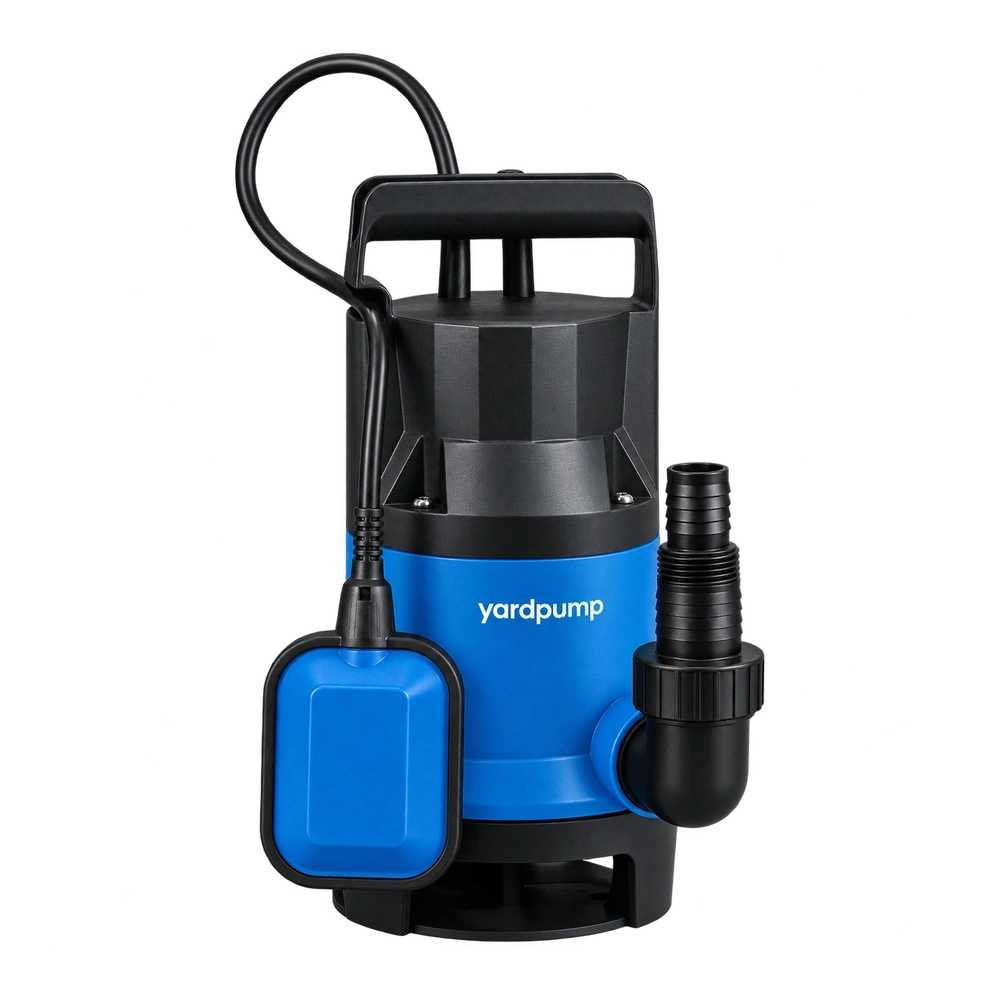
Suppose a small submersible pump with a separate oil chamber still shows a trace of oil after its radial lip seal is replaced. There are two interfaces to consider. One lies between the lip and the rotating shaft; the other lies between the seal's outside diameter and the housing bore. A new seal can have an undamaged lip yet leak past a scratch through the bore or an outer surface that fails to make continuous contact. Before cleaning and stripping a returned unit, preserve where the liquid first appeared if the evidence is still visible.
Map both interfaces and the possible oil paths
The lip against the shaft is a dynamic interface. The outside of the seal stays fixed in the housing and forms a static interface. Some seals have a rubber-covered outside diameter; others use a metal case with a specified bore finish or installation process. Whether they are interchangeable depends on the seal maker's fit, bore condition, fluid and temperature requirements. Matching inner and outer diameters do not establish the same outer surface, installation force or sealing performance. For a plastic bore, use the specified fit under the relevant temperature and assembly conditions. Do not borrow a generic value for a metal housing.
Separate residual assembly oil, fresh leakage and oil transferred during disassembly. Initial wetting at the outside joint, an axial bore scratch or a rolled edge on a rubber covering puts the bore on the list. Wetting beginning at the shaft, together with abnormal lip wear, points the first investigation toward the shaft and lip. Oil moves with gravity and along steps. A photo of an area already covered in oil cannot prove the path. Record orientation, whether the unit was stationary or running, where it first got wet and what other joints are nearby.
Separate fit and installation on the same seal revision
The manufacturer or authorized repairer can start with the installation record and part revisions. Check bore diameter and shape in more than one direction and depth. Inspect the chamfer and look for cuts in the outer covering, continuous tool marks through the bore, old compound, dirt or burrs. Compare those findings with the drawing and the approved surface and fit for the seal. Then check the pressing tool, where force was applied, installed depth and alignment. If the replacement used the same method, a new seal leaking in the same way does not rule out an installation problem.
Consider a hypothetical returned pump with a narrow wet track from the oil side toward the outside. The track aligns with an axial scratch in the bore, while there is no corresponding first wet spot at the shaft running surface. Service can compare it with a known good housing using the same specified shaft dimensions and seal version, then repeat the authorized test. If both housings leak, review the lip, shaft and neighbouring joints. The example shows how to build a comparison; it sets neither a permissible scratch size nor a leakage limit.
Verify the repair against the failure
After confirming the installation tools and seal, repeat the approved assembly and inspection. Record pressure, fluid, temperature and whether the pump was running or stationary. With an unconfirmed bore issue, describe it as an outer fit to be investigated, rather than assigning the failure to the shaft. Once the outside path is verified, decide whether to repair the bore, replace the housing or correct the installation process. A change to seal type, compound or fit needs review for the pump's intended use and approval conditions. If a user sees oil, they should stop use and contact service rather than sand the bore or add sealant and submerge the pump again.
For several returns from one lot, match the first wet spot to the housing cavity, seal lot and pressing station. Repetition at a fixed orientation is a reason to examine shared tooling or moulding. Scattered marks still need individual review. Those distinctions are more useful than counting how many units had a seal replacement.
Frequently asked questions
Is a rubber-covered outside diameter always better than metal?
No. Selection depends on the bore fit and condition, fluid, temperature and seal maker's requirements.
Does leaking at rest prove the bore is the source?
No. The lip, neighbouring static joints and residual oil still need to be separated.
Can adding sealant count as an accepted repair?
Only use a compound when the approved assembly calls for it, and still verify the result. It does not establish correct bore finish, fit or depth.