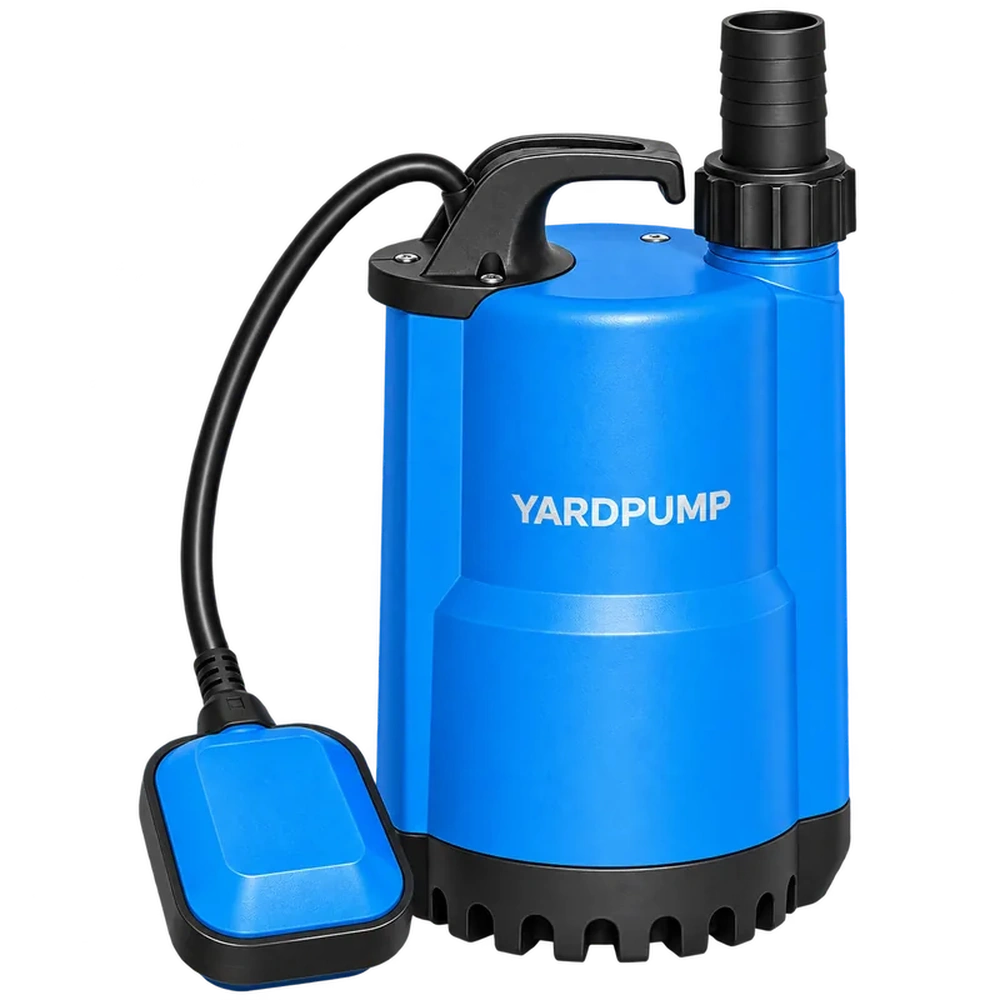
Suppose the service team finds these marks. A returned submersible pump has no obvious scratches across its mechanical seal faces, but there is a polished ring on the shaft where the rubber bellows sat. Would fitting another set of faces help? It depends on the design. Some elastomer bellows seals make a secondary seal by gripping the shaft, and some designs also use that grip in the drive arrangement. Others transmit rotation through separate parts. Loss of grip, movement along the shaft or distortion can leave a leak path even when the two faces appear sound.
Put each witness mark on the right interface
The rotating and stationary faces are intended to move relative to each other. The rest of the rotating assembly is supposed to follow the shaft through its designated drive arrangement. If the bellows is supposed to grip the shaft, movement between the two warrants closer examination. Photograph the annular face track separately from the directional marks at the bellows contact. A face track does not show that anything slipped at the shaft. A shaft mark could have come from the original installation or from pulling the seal off. Record whether the mark crosses the original assembly position, whether an area of the bore is polished or rolled and whether the setting length has changed.
Suppose two returns have similarly clean faces. One has a shifted rubber contact pattern that lines up with a polished area of the shaft. The other has no visible shaft movement but shows water around the outside of the stationary seat. The first calls for a check of shaft fit and drive. The second calls for a look at the seat and casing interface. These are hypothetical findings, not definitive signatures. Water can travel along several parts after entering. Mark the orientation and original position before lifting the bellows, where doing so is permitted.
Check the assembled fit before choosing parts
Have qualified staff isolate the electrical equipment and manage pressure and stored energy before disassembly at an appropriate bench. Identify the seal variant and drive method. Check the specified shaft diameter at its actual contact band, surface condition, steps and chamfers, bellows material, setting length and approved assembly aids. Measuring a convenient stretch of bare shaft can miss a damaged or undersized contact band. A groove or an unsuitable lubricant can change the fit. Improvised oil, adhesive or clamping can also obscure the evidence and change the design condition. If the parts include drive lugs or a locking feature, inspect them separately instead of assuming the rubber transmits all torque.
Release a repair only after identifying the approved matched parts and completing the relevant leakage and wet running checks. If the pump is dry when cold but leaks after running, record whether the first sign occurs at start-up, under steady duty or after stopping. Keep temperature, installed position and part identification with the record. Suspected ingress near an electrical chamber requires isolation and qualified assessment. Do not run an open pump or modify the bellows in the field. Checking an incoming rubber bore alone cannot confirm the condition of the contact surface, the assembly aid or the working length after installation.
For a service team, the useful distinction is whether to replace seal faces, restore an approved shaft fit, or inspect the seat. Keeping each observation tied to its own interface makes that choice more dependable. A seal that comes apart easily may still have been damaged by removal, so preserve the order of observations.
Where an unused companion unit is available, compare the contact band from the same shoulder and with both parts oriented identically.
Frequently asked questions
Would a shaft witness mark settle whether the seal slips?
A static witness mark can preserve the position. Any running confirmation belongs under the approved factory procedure, never on an open energized pump.
Do sound faces make dimensional checks unnecessary?
No. A shaft or stationary seat leak can bypass the faces.
Can a harder bellows automatically stop slipping?
No. Material, grip, shaft surface, fluid and assembly design need to be assessed together.