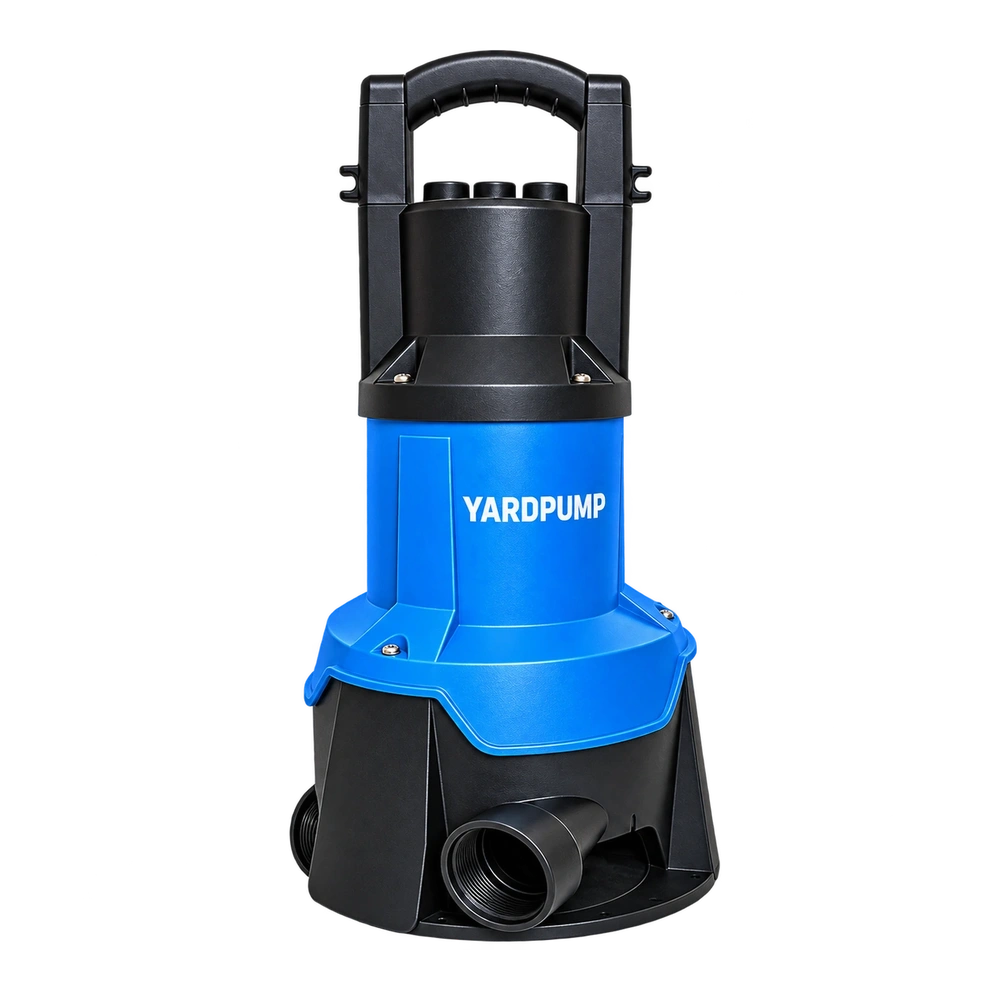
Suppose a drainage pump quickly delivers a stable stream on its first start, but a brief unusual sound seems to come from the seal area. One observer concludes the seal is dry. Another says delivery proves it cannot be. Neither observation is enough. The main flow path can deliver water while a partly separate region retains gas. Verify what supplies the actual seal faces, where a gas pocket might remain and what the approved orientation and filling conditions are. Then decide what a qualified inspection needs to test.
The main flow path does not describe every cavity
An impeller can move water through the discharge path while the region close to the shaft has its own ports, restricted gaps or an independent chamber. Small passages or an unfavorable high spot can sometimes leave gas against an area intended to be wetted. If gas interrupts a face's liquid environment, available cooling and lubrication may fall locally. A type of seal supplied from a separate oil chamber has a different design basis from a seal exposed to the handled liquid. Do not apply a water-side observation to both sides of every double-seal arrangement. Stable outlet flow alone does not identify either drying or the source of a sound.
Use a manufacturer-approved section drawing or service instruction. Identify the wet-end seal, any separate chamber, the intended liquid and any permitted vent path or service operation. Note the actual orientation and water level. Do not drill a vent, loosen an oil plug to release suspected air, or repeatedly run the pump with possible inadequate lubrication. Stop and isolate from a dry safe location if it develops a persistent unusual sound, overheating signs or leakage. Follow the specified procedures for pressure and stored energy, then have qualified personnel inspect it.
Compare startup observations without changing the evidence
In a permitted test, record whether the unit was recently drained, cleaned or serviced, along with its starting level and position. Record the time water first leaves the outlet, the location of the sound and how long it continues. Check for a changed discharge valve, a bearing or wet-end issue, a contained obstruction and air drawn at the intake. Qualified test staff can repeat a verified setup and observe permitted filling conditions or indications. Do not open a sealed assembly in service or keep a suspect pump running longer in an effort to reproduce a sound.
For illustration, imagine the first run after a service starts within the permitted water level and gives prompt steady flow, while a brief sound occurs at the seal end. After the manufacturer-defined filling and installation conditions are restored, the sound does not recur on comparable runs. Local gas is then a credible line of investigation. Changes in valve state, assembly or sound transmission also need checking. The example is not a diagnosis or a claim about a model. If there is leakage or damage on an inspected face, preserve the position and orientation of the parts before cleaning them.
Make separate release decisions
Record hydraulic delivery and verification of the seal's own conditions as separate items. A buyer or service team should identify the assembly version, approved liquid and arrangement, and any controlled comparison that supports release. A drawing that provides no user-operated vent is not an invitation to add one. For a pump with a sealed chamber, wait for the authorized verification that applies to that structure. A stream out of the pump demonstrates output in the main circuit. It does not directly demonstrate the conditions at a sealing face.
Frequently asked questions
Does every submersible pump need a manual seal vent?
No. Follow the requirements and permitted operations for the actual design.
Does a brief squeal prove a mechanical seal was dry?
No. Locate the sound and verify filling and related parts. Hydraulic and mechanical causes can sound similar.
Can I use the same water check for a separate oil chamber?
Not as a general rule. Use its approved fluid, orientation and test method.