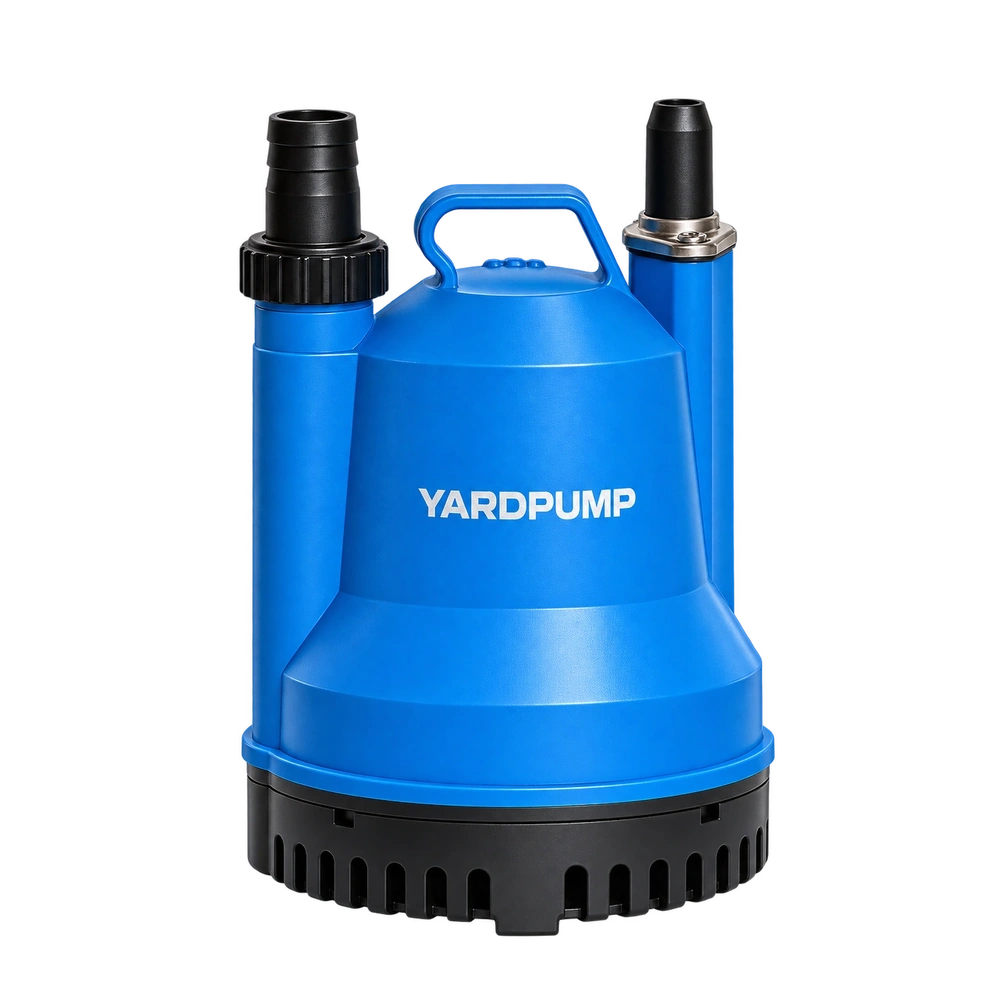
A submersible pump has leaked, but there is no obvious scratch on the stationary or rotating face when the seal is removed. Does that clear the seal assembly? No. The mating faces form one sealing interface. The stationary ring also needs a seal where it sits in the housing, which may be a rubber cup, an O-ring or another design. On some assemblies liquid can bypass the faces along that secondary interface. Identify the construction before deciding where to look.
Draw the two possible paths
Identify the moving face interface, the outside of the stationary ring and its bore, and the adjoining spaces. A shiny wear band on a face only shows that contact occurred. It does not demonstrate that the faces sealed throughout operation. A stationary interface can leak even though it does not rotate. A displaced cup, a damaged seat, a trapped seal or an unsuitable material condition may create a path around the outside. Where another retention or sealing method is used, do not assume the inspection points for a rubber cup apply.
Mark orientation and photograph before changing the assembly. Record traces or deposits at the inner and outer edges of the faces, around the stationary seat and at adjacent joints. Water, oil and cleaning liquid can move after the pump is turned or taken apart. A fresh drop in the dismantled housing does not identify the original route. A face without a visible scratch can still have a fine defect, wobble or a problem that appears only in operation. Cleaning the faces before recording the assembled condition removes some of the evidence that could separate the two paths.
Build a case with more than one clue
Suppose a returned assembly has a continuous wet mark along part of the stationary ring circumference, an unusual impression in the cup at the same angle, and corresponding seat damage. The faces show no equally clear trace. That makes the outer interface a priority, without proving the faces never leaked. Another example shows an even outer impression but leakage that starts only at a particular operating condition. The faces, installation and operating state remain candidates. These are ways to order an investigation, not rules for rejecting a pump from a photograph.
Have qualified staff use the approved method for that model to check bore geometry, retention, secondary seal position and face condition. A test intended to isolate a path needs a suitable fixture and permitted direction of pressure. Do not close off a discharge or block a suspected outlet with an improvised plug to apply pressure. After replacing the stationary seal, the prescribed recheck still covers the assembly and relevant interfaces, not just whether the bench fixture holds. Isolate and verify safe conditions before opening electrical or pressurised parts or disturbing stored energy.
Specify what the repair is expected to correct
Separate observed face changes, evidence for the outer bypass route and items still unconfirmed. If the bore is damaged, replacing the face pair may leave the path around the stationary ring unchanged. Conversely, a new cup does not waive face and operating checks. Match spares to the exact drawing and ask whether the stationary ring, rubber seal and housing seat can be serviced separately on that revision. Keep the as-installed condition and recheck with the repair record. Distinguishing the paths matters because it changes what to repair and what to verify.
A pressure drop or a total leakage result does not locate the path on its own. Keep a baseline and a post-repair result with the assembly, liquid, pressure direction and operating stage identified.
Frequently asked questions
Can a face with no visible scratch be reused?
Do not decide by appearance alone. Check face condition, matching parts and installation against the approved service procedure.
Does a water mark outside the stationary seat prove bypass?
No. Relate it to orientation, bore condition, seal marks and a controlled check, including whether liquid could have moved during teardown.
Does replacing the rubber cup remove the need for a pump recheck?
No. Complete the specified verification, which can include the faces, assembly and running condition as well as the stationary joint.