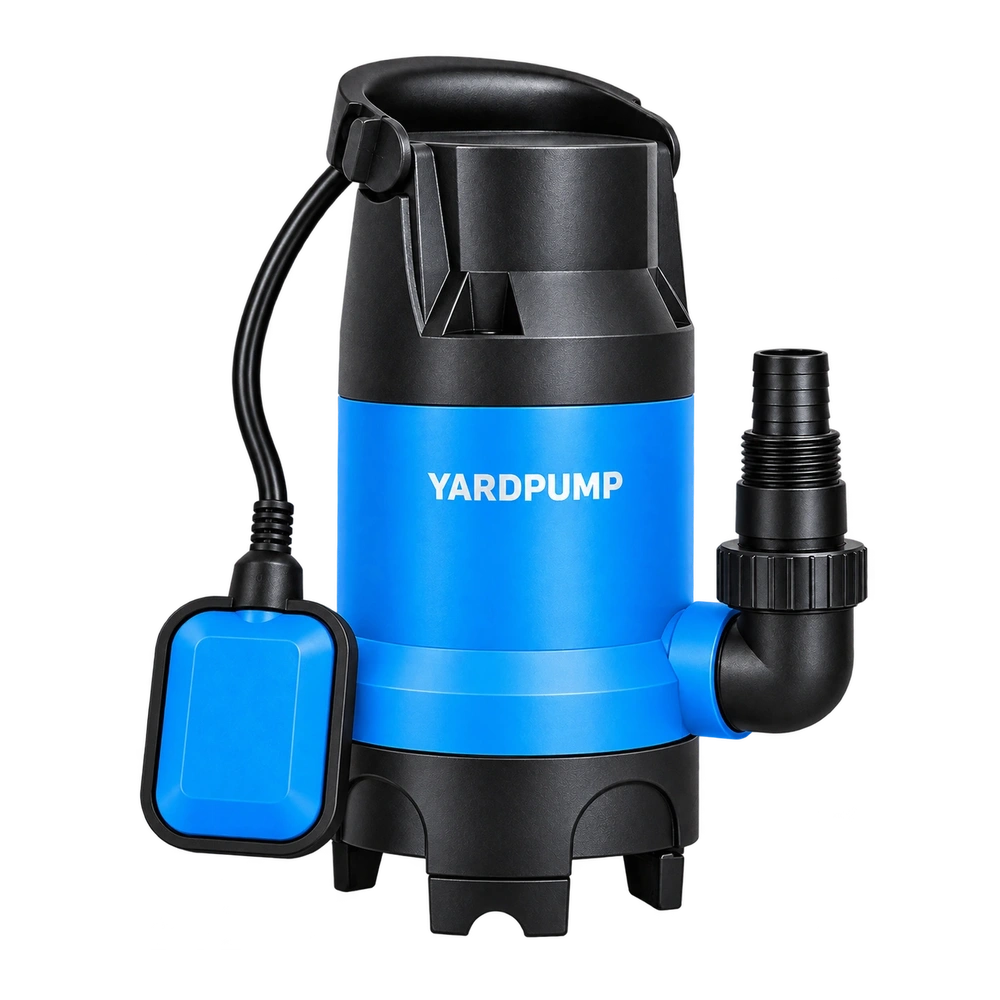
A rewound pump motor turns successfully, but the buyer asks why matching the original turn count is not enough to confirm unchanged performance. Turn count is only one design variable. Coil pitch, distribution, connections, conductor arrangement, insulation and the repair process also matter. A rewind should restore a confirmed winding version and pass appropriate verification, rather than being accepted solely because someone counted the same number of turns.
“Same turns” leaves several questions unanswered
The distribution of coils in stator slots and their span influence the generated electrical relationships and magnetic field. Connection arrangements can also change the voltage and current conditions of phases or branches. A recorded number is ambiguous unless it identifies whether it refers to each coil, a group or a complete phase.
Conductor dimensions, parallel wires, joint quality and slot arrangement affect resistance, losses and heat transfer. Insulation materials and processing contribute to electrical and mechanical integrity. “Rewound as original” therefore needs traceable design or approved repair data, not only a removed wire sample and someone's recollection.
| Record | Necessary detail | Gap left by turn count alone |
|---|---|---|
| Coils and slots | Pitch, distribution and positions | Incomplete magnetic arrangement |
| Connections | Grouping, connections and lead identification | Unclear electrical conditions |
| Conductors | Dimensions, parallel arrangement and material | Incomplete resistance and loss basis |
| Insulation and process | Materials, processing and inspections | No evidence beyond the number of turns |
Distinguish restoration from a design change
For restoration, obtain the applicable winding information, connection drawing and repair requirements. Establish whether the failed motor had already undergone an undocumented modification. Missing original data is an engineering issue; an on-site reconstruction should not automatically become an approved specification.
If the repairer proposes another conductor arrangement because of material availability or manufacturing convenience, identify the change and its validation scope. It may require assessment as a substitution or design change. An unchanged turn count does not make every other change immaterial.
Where product approval or certification coverage is relevant, check the requirements for the actual product and repair. Do not assume the original declarations automatically cover a modified winding. This needs product-specific evidence rather than a general assertion about rewinding.
Verify the motor and the pump duty
The inspection plan should reflect the motor structure and repair scope. It can include winding and connection consistency, electrical safety, mechanical condition and performance under the specified load. Resistance readings need their measurement temperature and method recorded; values at different temperatures are not directly comparable without appropriate treatment.
Qualified personnel should perform electrical tests with suitable equipment and isolation arrangements. A successful start is one observation, not a complete repair acceptance programme.
Consider a hypothetical case: the recorded turn count matches, and the motor runs without load, but input current and temperature behaviour differ at the pump's specified working point. That does not prove that turn count caused the change. It requires review of the complete winding and assembly versions, test conditions and actual load. No-load operation alone has left the practical duty unresolved.
Preserve a useful repair history
Connect the work order to motor identity, original symptoms, winding-data revision, actual materials and process records. Preserve evidence of damaged insulation, joints and other findings before repair removes it. Otherwise, a replacement winding can erase information needed to understand the original failure.
Final results should identify conditions, measurements and acceptance criteria. The buyer needs to distinguish what was restored, which changes were approved and what was retested. A generic “rewind passed” statement without supporting conditions offers little help for batch comparison or later complaints.
A short successful test also does not establish service life. Its value is limited to the conditions and functions it actually covered. Longer-term reliability depends on more than the ability to rotate immediately after repair.
This article provides no winding values, reconnection instructions or do-it-yourself repair method. Cooling conditions, insulation systems and the particular motor design must follow the applicable product information.
Frequently asked questions
Can a small wire-size change be ignored if turns are unchanged?
Not automatically. Conductor arrangement, resistance, losses and manufacturing suitability may change. Assessment and approval are needed.
Does matching no-load current remove the need for load checks?
No. One no-load reading cannot replace verification of the relevant loaded and thermal behaviour.
Can the removed winding substitute for missing design documents?
It can provide evidence, but it may be damaged or previously modified. Competent personnel must identify the missing information and establish a supportable repair and verification plan.