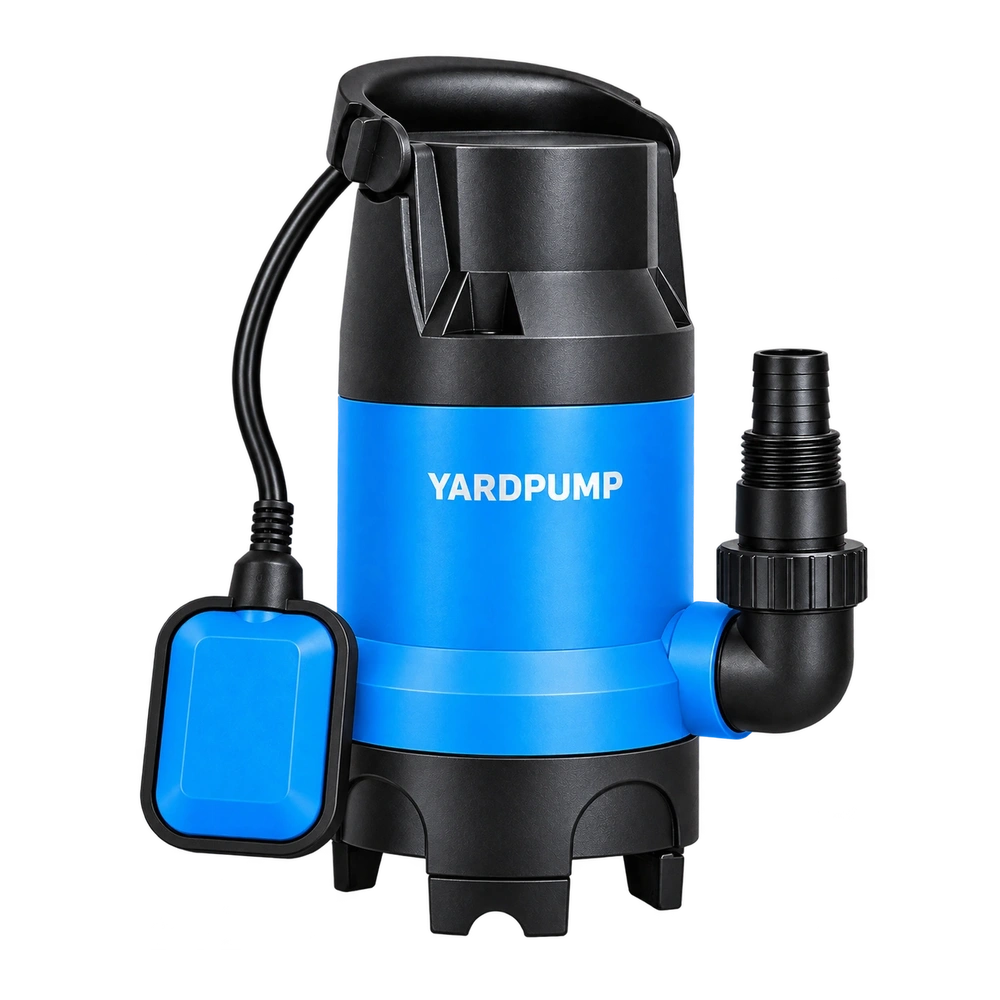
Consider a hypothetical duty-rating query. “One drainage pump is marked S1 and another S3 25%. Can the second simply run for six hours each day?” No. A percentage attached to S3 belongs to a defined operating cycle, not a daily allowance that can be saved and spent at once. S1 also does not permit unlimited operation in every liquid, orientation or water temperature. Read the complete rating and instructions before matching a pump to its task.
The distinction concerns heating and cooling
S1 continuous duty describes operation at a constant specified load for long enough to reach thermal equilibrium. It defines motor operation under stated conditions. It does not expand the complete pump’s approved liquid, immersion, environmental or shaft-seal limits. A continuous pumping application still needs confirmation at the assembly level.
S3 intermittent periodic duty consists of repeated identical cycles, each containing operation at constant load followed by a period at rest and de-energised. Under this duty definition, starting does not significantly affect temperature rise. If frequent, heavily loaded starts make starting heat significant, the applicable duty and validation conditions need further review rather than automatic acceptance under S3.
The percentage normally expresses the operating period as a proportion of the complete cycle. The full rating and applicable provisions also determine the relevant cycle information. If a photograph shows only “25%,” request the complete rated data rather than assuming whichever cycle is convenient for the application.
Why equal percentages do not produce equal temperatures
Consider an explicitly hypothetical rating with a stated ten-minute cycle and a 25% operating period. In that example, the pump operates for 2.5 minutes and rests de-energised for 7.5 minutes. Running continuously for six hours and resting for eighteen hours produces the same daily percentage, but a very different thermal history. It is not an equivalent interpretation.
Extending each operating period and adding a longer rest later is also not automatically acceptable. Heating and cooling are not simple linear balances of minutes. Initial temperature, surrounding water temperature and heat transfer all affect the result. In a drainage installation, whether the pump remains submerged during its rest period may also change the actual cooling conditions.
Map the duty onto the water-level cycle
Start with the demanding realistic drainage condition: incoming water rate, time required for a pump-down and the difference between start and stop levels. A float switch controls liquid level; it does not automatically provide the rest interval required by a duty rating. Sustained incoming flow may prevent the water reaching the stop point, creating a much longer run than expected.
A small effective sump volume can create the opposite problem: frequent short cycles. Each run may be brief, but the number of starts and the contribution of starting heat increase. “It runs for only a few seconds” therefore does not establish suitability for S3. Submit the expected run periods, rest periods, starts per hour and starting load to the manufacturer for assessment.
Make the purchase specification complete
Keep the quotation, sample documentation and order aligned on motor and complete-pump duty, operating percentage, relevant cycle, installation and cooling conditions, and the manufacturer’s start-stop restrictions. Resolve conflicting catalogue, nameplate and manual statements in writing before ordering.
Validation should record supply voltage, flow, head, power, temperatures and the actual sequence of operation and rest under the approved conditions. If the required task is extended continuous drainage, select a configuration confirmed for that task. A short demonstration of an intermittent-duty sample cannot establish its suitability for continuous service.
A thermal protector is not a duty-cycle controller
Repeatedly overheating, tripping and cooling until restart is not a normal method of scheduling operation. It can interrupt drainage and create an unexpected restart before the cause has been corrected. Repeated thermal shutdown requires power isolation and investigation by qualified personnel into load, cooling, supply and mechanical condition. Do not bypass the protector or raise its setting to obtain a longer run.
A timed control arrangement must also account for level, dry-running protection and restart conditions. It needs a defined response if the operating period ends while the level remains high. It cannot rely on the motor exceeding its rated boundary when urgent incoming water arrives during the planned rest period.
Frequently asked questions
Does S1 mean a pump may run dry?
No. Duty and the permitted cooling or liquid conditions are separate requirements. Any permission for limited dry running must come from the approved instructions for the specific assembly.
Can S3 25% simply become fifteen minutes per hour?
Not without the specified cycle and starting conditions. Equal accumulated operating time does not establish equal heating, cooling or starting stress.
Can replacing a float switch affect duty suitability?
Yes. The rating does not automatically change, but revised switching levels or control logic can alter the actual cycle. Check run time, rest time and starting frequency against the validated conditions.