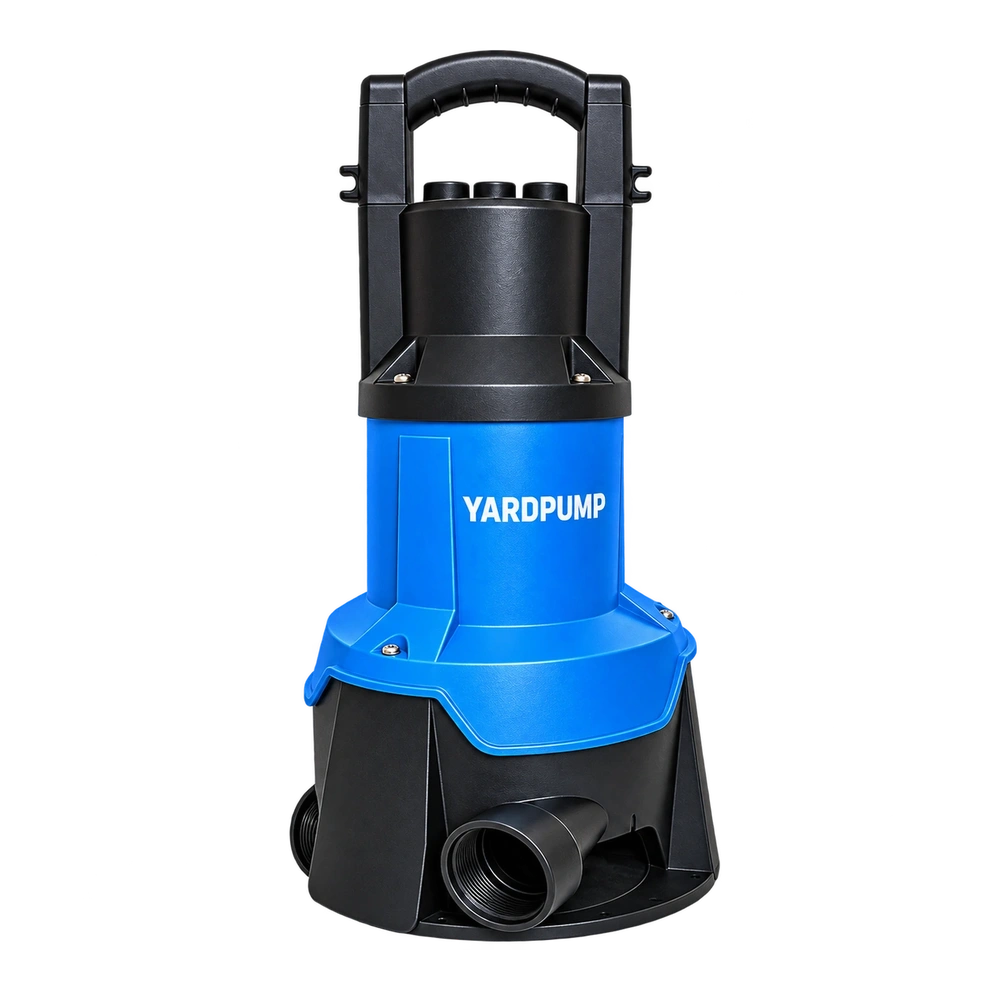
A small submersible pump leaks through a static housing joint. The O-ring’s measured inside diameter and section size are in tolerance, but close inspection shows a raised edge at the mould parting line. Size acceptance does not close the investigation. A local step, flash or cut can change contact at the sealing line even when the regular cross section is correct. Assess the actual defect and where it meets the loaded surfaces; a normal visible parting mark need not be a leak.
See how the defect crosses the contact
The mould separates at a designed plane. Flash is excess material left near that separation. A mismatch can shift the two halves of the formed cross section relative to each other, leaving a profile step. A trim cut or a scratch from handling may look similar at first, but has a different cause. Small defects can be squeezed into the housed seal, interfere with seating or leave a local path depending on the design, severity and orientation. An acceptable limit comes from the application and ring specification, not from whether the mark can be seen.
In a static face seal, follow where the ring contacts the two faces when compressed. In a radial seal, check which ring surfaces touch its bore and gland. A mark outside the critical band may have a different effect from a defect that crosses or disturbs the band. Check the gland too: a raised seat burr can cut a perfectly good ring during assembly, and an installation twist can put a mould feature in an unexpected place. A ring attributed to a failed housing should be handled without wiping out that information.
Preserve evidence and examine rings from the lot
Keep pump and seal lot codes and case orientation. Under a safe, approved lab teardown, note the leak trace and mark positions on the housing before removing the ring. Lay the ring out without excessive stretch, record its orientation as best as the assembly permits, and look at the same regions on a known acceptable ring and unopened rings from the same lot. A repeatable profile step aligned with the mould split on unused pieces makes a manufacturing origin more plausible than an isolated cut on one installed ring. Avoid compensating for defective parts by dressing, sanding or stretching them.
Use the approved lighting, magnification and measurement technique. A dimensional check near a raised ridge may not represent the normal section, and samples checked only far from the parting line may miss the defect entirely. Record normal dimensions and the suspect feature separately. Compare the drawing’s relevant surface quality criteria, location and orientation. If those conditions were never specified, obtain an engineering disposition rather than adopting an arbitrary universal visual threshold.
For example, several unused rings show a profile shift on the same parting track, and one as-found trace crosses the corresponding contact. If the same housing passes the approved product verification with a verified conforming ring, the combined observations support investigating or holding that ring lot. If a good ring picks up a nick at the same seat location, focus on the housing or installation too. These are example observations, not test results or proof of any fixed rate of failure.
Choose corrective action at the correct interface
With a repeated out-of-limit ring defect, hold identifiable affected stock and review mould alignment, trimming and inspection with the supplier. With a contact-face burr or an insertion injury, review gland preparation and installation. A qualified lab can compare a conforming assembly across the intended conditions. Do not improvise a pressure or electrical test on a compromised pump. Keep the checked criterion, part lot, disposition and the released assembly together. This prevents a nominally in-size ring from being waved through while the very feature that affects sealing remains unmeasured.
Frequently asked questions
Should any visible mould line fail inspection?
No. Qualify the applicable size and form limits and the location at the sealing interface.
Can I shave off excess rubber with a blade?
Do not rework a seal outside an approved process. A local cut and a changed profile may make the problem worse.
Does a leak at one point prove the ring created it?
The leak may travel to that visible point. Examine the ring, the gland and the contact path together.