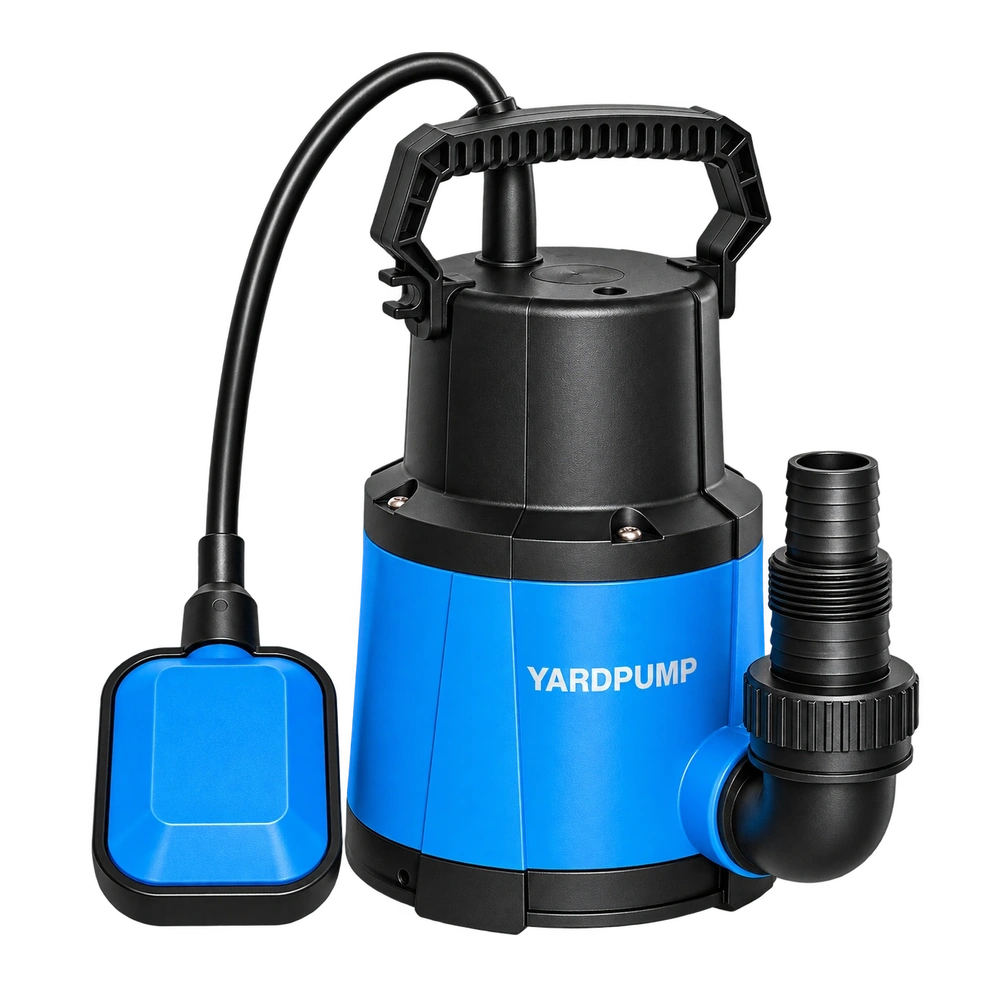
A pump housing is pressurised for a leak check. Pressure falls slowly, so the operator rejects it immediately. Another unit gives a different result. Should the rejection limit simply be tightened? First establish whether the method separates leakage from temperature and volume changes.
Gas cooling after filling, movement of hoses or housing walls, fixture leakage and instrument behaviour can all affect a pressure-decay reading. Divide filling, stabilisation and measurement into controlled stages before using the result for acceptance.
Why pressure can fall without a leak
For a fixed amount of ideal gas in a fixed volume, absolute pressure is proportional to absolute temperature. Filling can change gas temperature. Subsequent heat transfer to the surroundings may lower pressure even if no gas escapes.
Slow expansion of a hose or workpiece changes the volume and can add another transient effect. A gauge normally displays pressure relative to atmosphere, whereas the simple gas relationship requires absolute pressure. Substituting gauge pressure directly gives a misleading calculation.
These effects do not mean every falling-pressure result is harmless. Real leakage, fixture leakage and thermal change may occur together. The purpose is to control interference, not dismiss every rejection as a temperature issue.
A numerical illustration
Imagine a fixed volume containing gas at an absolute pressure of 200 kPa and a temperature of 303 kelvin. Cooling to 298 kelvin with no leakage gives an idealised pressure of about 196.7 kPa: a fall of approximately 3.3 kPa.
These are hypothetical values, not a recommended pump test pressure or allowable leak rate. They show why a few degrees can matter when evaluating small pressure changes.
Real equipment also involves volume, deformation, atmospheric conditions and sensor characteristics. The example cannot be used to subtract a standard correction from every result. Acceptance requires a method validated for the equipment, workpiece and production cycle.
| Stage | Conditions to control | Common interpretation problem |
|---|---|---|
| Filling | Pressure, supply, rate and connection | Including filling transients as leakage |
| Stabilisation | Temperature and volume settling | Measuring before transients have reduced sufficiently |
| Measurement | Duration, resolution and decision method | Comparing results from different durations directly |
| Venting | Safe depressurisation and confirmation | Disconnecting a pressurised assembly |
Check the whole test station
Use suitable known-good parts, controlled leaks or other approved references to establish performance under different initial conditions. References need identities and maintained status too; they can change with temperature or ageing.
Fixtures, connections, valves and hoses are part of the measurement system. Calibrating the pressure sensor alone does not validate the station. Examine the recorded curve rather than retaining only the final number.
If a known condition produces a different result after a longer stabilisation period, investigate thermal or volume effects. That observation alone does not rule out leakage. Controlled repeats and independent checks can help separate the contributions of the workpiece and tooling.
There is no universal stabilisation time or fixed multiple that suits every pump. Volume, material, pressure, environment and cycle time all matter. A temperature-compensation feature must be validated within its intended conditions; its name is not evidence that the corrected result is accurate.
Write an acceptance method that can be reviewed
The supplier should identify the purpose, test medium, pressure, stabilisation period, measurement duration, limits, environment and fixture. Link acceptance to the approved construction and method. A short air test does not by itself establish a maximum immersion depth or long service life.
Trained personnel must use approved equipment and protection. Pressure and workpiece strength require an authorised procedure. Do not increase pressure informally to make a leak easier to find or disconnect equipment before depressurisation.
Retain original curves, compensation results, repeats and disposition. When a procedure changes, consider whether earlier release decisions need assessment. Altering settings simply to obtain a passing result does not resolve a measurement problem.
A corrected method should reduce false rejections while retaining the ability to detect the leakage it is intended to identify. Both sides of that decision matter to an importer accepting production.
Frequently asked questions
Does falling pressure always prove leakage?
No. Temperature, volume and fixture changes can also affect it. A controlled method must distinguish their influence.
Does waiting longer prove that a part does not leak?
Not automatically. Stabilisation can reduce interference, but the method still needs suitable references demonstrating detection capability.
Does passing an air test prove long-term underwater integrity?
No. The test has defined pressure, duration and construction limits. Immersion and operating durability require their own relevant evidence.