The test valve moves and the flow display changes, but the pressure gauge takes longer to follow. Is the pump unstable? Pressure may simply be reaching the instrument too slowly. A restrictive connection, snubber, blocked tapping or isolated section can affect response. Inspect the pressure path before interpreting the indication as pump behaviour.
There is a path between the liquid and the sensor
A calibrated gauge still depends on its installed pressure tapping and fittings. A snubber may intentionally reduce rapid pulsation, but excessive restriction can delay the indicated change. Dirt, scale or assembly debris can produce another kind of restriction.
Draw the complete route from the liquid in the pipe to the sensing element. Include isolation valves, damping devices, measuring lines, high points and venting arrangements. Looking only at the dial misses those interfaces.
A steady indication is not automatically a better indication. It may represent a genuinely stable pressure, appropriate damping or a pressure path that no longer transmits changes properly. The purpose of the measurement determines which response is suitable.
Establish which moment the readings represent
Consider a hypothetical test where the flow display has updated after a valve adjustment while the pressure indication is still moving. Combining screenshots immediately can place readings from different states into one apparent duty point. The example illustrates synchronisation, not a universal waiting period.
Check display refresh rates, averaging intervals and timestamps. A flowmeter and gauge on the same bench do not necessarily respond together. A steady-state performance test and a transient-pressure investigation also need methods suited to their different purposes.
| Possible factor | Check | Avoid this assumption |
|---|---|---|
| Intentional damping | Purpose, setting and liquid | A steadier dial is always more accurate |
| Blocked passage | Tapping and fittings | Calibration excludes blockage |
| Measuring-line arrangement | Length, high points and venting | Equal final pressure means no effect |
| Unsynchronised recording | Refresh and averaging windows | One report row represents one instant |
Do not loosen a pressurised connection
Stop the pump, isolate electrical power and release pressure through the approved system procedure. A blocked path may leave pressure trapped in a section. One gauge reading zero does not independently establish that every isolated space is depressurised.
Qualified personnel should confirm the safe condition before inspecting the pressure connection. Loosening a fitting on a running system to see whether water emerges is not an acceptable diagnostic method.
Use cleaning and replacement methods permitted for the instrument and system. Avoid pushing debris into a sensing element. Record the obstruction, damping arrangement and valve positions before changing them. Restored operation after cleaning is useful evidence, but may not fully reconstruct the original mechanism if the initial condition was discarded.
Compare through a controlled measurement arrangement
An approved comparison with a suitable verified measurement path can distinguish response differences from final-value differences. The comparison instrument still needs an appropriate range, liquid compatibility, installation location and safety suitability. An improvised gauge is not automatically a reference.
If both paths settle at the same value but arrive at different rates, separate dynamic delay from steady-state error. If the settled readings differ as well, investigate calibration, tapping elevation, velocity and installation effects alongside restriction.
Do not remove all damping merely to obtain a faster needle. The instrument may require protection against pulsation or pressure peaks. The final arrangement must serve both the measurement objective and its safe operating conditions.
Make the test record interpretable
For purchasing acceptance, retain instrument identity, tapping layout, damping settings, stabilisation criteria and sampling times. After discovering a response problem, assess whether earlier recorded results could have been affected. Replacing a gauge and continuing reports does not resolve that historical question.
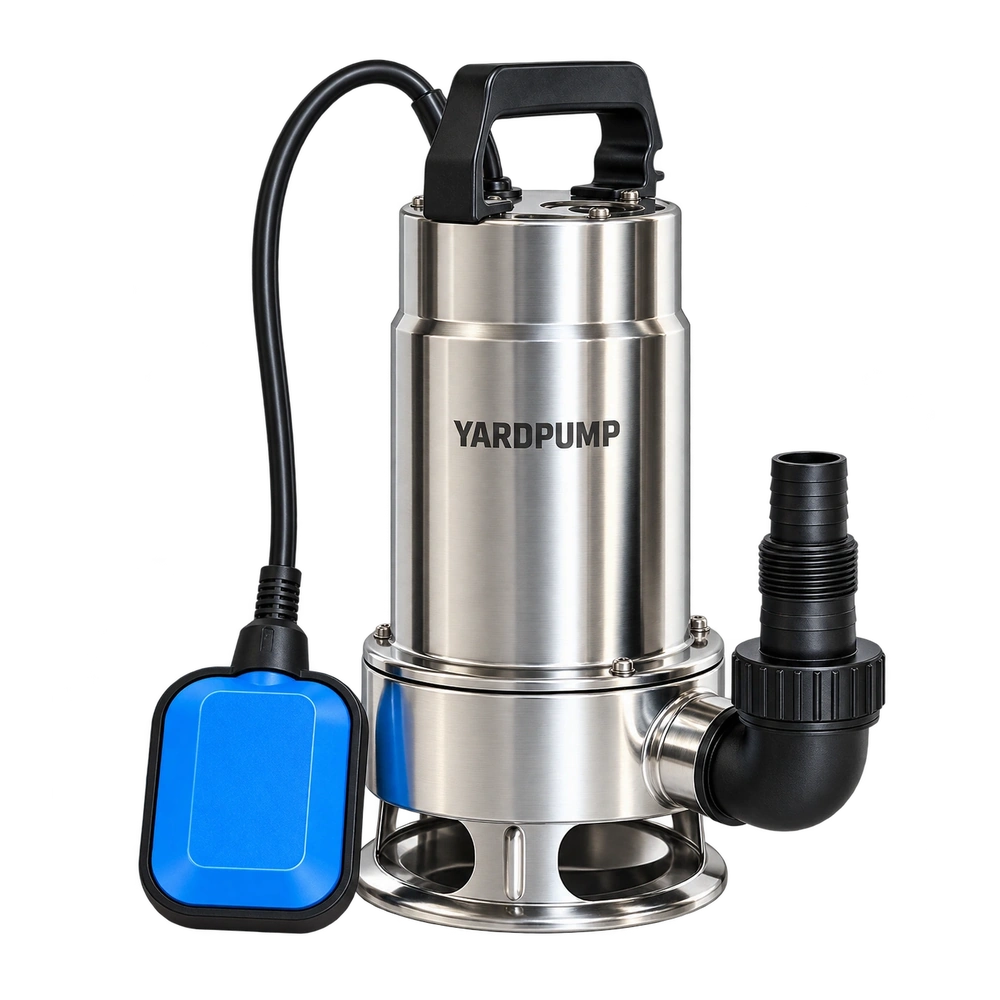
This discussion concerns pressure transmission and response. It does not replace the full total-head calculation or specify a test arrangement for any YARDPUMP model. Its practical value is preventing a measurement-system symptom from being mistaken for a hydraulic fault.
Frequently asked questions
Is a needle that never moves necessarily reliable?
No. Damping or blockage may conceal changes. Judge the response against the measurement purpose.
Does a calibration certificate rule out measuring-line problems?
No. Calibration and the installed pressure path are different verification boundaries.
Can the snubber simply be removed to improve response?
Not casually. Confirm instrument protection, system conditions and the approved test method first.