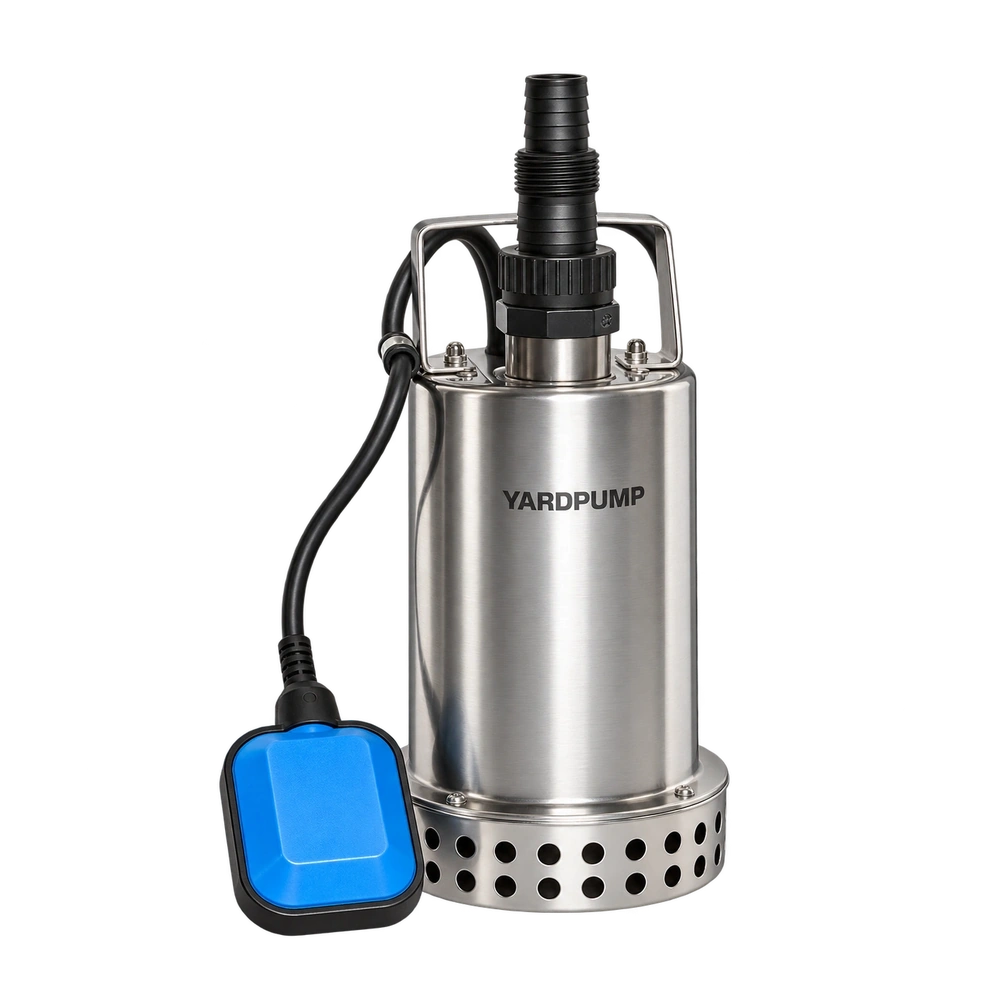
A pump works in dry weather but trips the residual-current protection after rain. Does that prove water has entered the motor? No. Outdoor plugs, extension connections, control enclosures and supply wiring may also become wet. The motor still requires evidence-based assessment. Stop use and isolate power from a safe location rather than repeatedly resetting the device.
Identify the protection that operated
Residual-current protection and overcurrent protection address different conditions; a combined device may include both functions. A report saying only “the breaker tripped” does not identify the mechanism.
Qualified personnel should establish the device, indication and affected circuit. Users should not open a distribution board to investigate.
A trip is a reason to examine the system. Do not bypass protection, disconnect protective earth or increase a trip setting merely to restore pumping. Normal operation after the rain stops does not prove that moisture effects or electrical damage have disappeared.
Inspect the installation beyond the pump
An outdoor connector may lie in a low spot or admit water travelling along a cable. A control enclosure may have unsuitable entries, damaged seals or a lid arrangement inconsistent with its intended use.
An enclosure rating depends on correct installation and condition. Adding holes or unsuitable cable entries does not preserve the original protection automatically.
| Evidence | Scope for competent investigation |
|---|---|
| Fault follows rain | Outdoor connections, enclosures and exposed wiring |
| Previous symptoms during cable movement | Cable damage, strain and terminations |
| Several loads on one circuit | Circuit condition and possible cumulative leakage |
| Water marks inside the pump | Actual ingress path and electrical condition |
These are investigation clues, not instructions to move, unplug or touch energised equipment. Keep clear of cables and connections in standing water. Where safe isolation is not accessible, obtain professional assistance.
Sectional testing needs an approved method
A qualified electrical person can isolate and assess the supply, accessories, controls, cable and pump using suitable procedures. Components containing electronics may not tolerate a test voltage appropriate to a simple motor. Follow the relevant equipment instructions.
Separate results help locate a problem but do not justify removing necessary safety functions. After reconnection, assess the complete system. Individually satisfactory sections do not automatically establish a safe assembled installation.
The method should preserve enough evidence to distinguish moisture, insulation damage, incorrect wiring and protective-device issues rather than replacing parts by assumption.
Interpret weather correlation carefully
For a hypothetical example, approved examination finds no pump defect but moisture is present inside an outdoor extension connection. That connection becomes a strong investigation target, not proof that the motor can never have a fault.
Correct the actual water-entry and installation defects, then complete the required electrical checks, functional verification and release. This is an illustrative sequence, not a real customer case.
“Let it dry and try again” is not a universal repair. Corrosion, contamination and material damage may remain, while the original entry path can reopen during the next rain. Qualified personnel should decide the treatment. Household heating, casing removal and live trial methods are not appropriate advice.
Collect useful service evidence safely
A distributor can request the protective-device identity, description of the trip, timing, weather, installation overview and recent changes. Do not ask the customer to open a wet box during rain to obtain photographs.
Record relevant accessory and supply information with a returned pump. Testing the bare pump away from its original cable arrangement may fail to reproduce a site fault.
The final report should distinguish located defects, completed repairs and any scope not yet excluded. Weather is a useful correlation, but it cannot replace electrical testing. Restoration of supply requires an appropriate assessment of the complete installation.
Frequently Asked Questions
Can the pump be reused if the tripping stops when the rain ends?
Not on that evidence alone. Investigate the moisture-related fault and complete the necessary checks.
Can a higher trip setting prevent nuisance operation?
Do not use a higher setting as a substitute for diagnosis. A qualified person must assess protection and the system.
Does a normal standalone pump test clear the installation?
No. Supply wiring, connections, controls and the assembled circuit may still contain a fault.