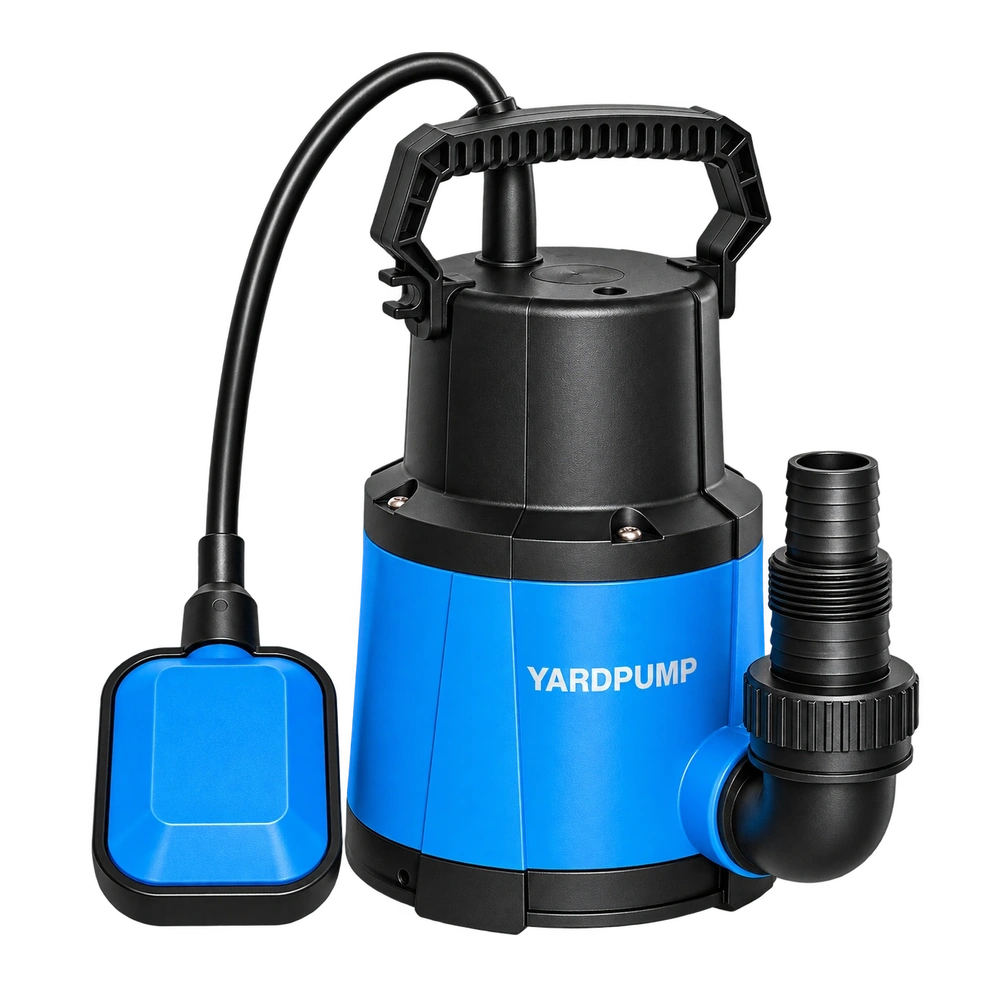
A hypothetical sample comparison raises this question. “Both pumps ran in sandy water for ten hours. One wore less, so is it more abrasion-resistant?” The comparison is meaningful only if the particles, concentration, flow, operating point and test circuit are comparable. Ten hours specifies duration, not equal abrasive exposure. Define the task before ranking wear, leakage or performance retention.
Sand is not a complete test-material description
Mineral hardness, particle-size distribution and particle shape affect abrasion. Angular grains behave differently from rounded grains, while fine particles and larger particles contact components differently. Two unspecified sources of “river sand” may not provide equivalent conditions even when their total mass is the same.
Initial concentration also does not establish what the pump ingests throughout the test. Settling, layering, filtering and blockage can change the mixture at the inlet. Specify sampling location, concentration verification and mixing conditions. Record water temperature and changes in the particles over time.
These controls do not make every application identical. They make the limits of a particular comparison understandable and repeatable.
Duration alone misses cumulative exposure
Consider an illustrative single-pass test. At a liquid flow of 3 m³/h and a solids mass concentration of 2 kg/m³, ten hours corresponds to approximately 60 kg of solids passing through the pump. A second pump delivering 1.5 m³/h at the same concentration and duration passes approximately 30 kg.
This calculation is not a complete wear model. Particle velocity, impact angle, local flow and operating point also matter. In a recirculating loop, the calculated mass passing through the pump can count the same grains repeatedly; it is not the mass of newly added sand.
Recirculation may also round or break the particles. The later test period can therefore expose the pump to a different abrasive mixture from the initial period. Document replenishment and particle condition instead of treating the loop as an unchanged source.
Define a fair comparison
| Condition group | Information required |
|---|---|
| Abrasive particles | Material, size distribution, shape and replacement method |
| Mixture | Concentration definition, mixing, sampling, temperature and chemistry |
| Hydraulic task | Actual flow, head, speed and operating point |
| Circuit | Single-pass or recirculating arrangement, tank, piping and settling control |
| Assessment | Inspection locations, measurements, stopping rules and sample quantity |
A purchasing comparison for the same useful task should align useful output as far as practicable. A controlled material comparison may need a different experiment. State which question the test answers. Do not select a favourable condition for one design and present it as a universal ranking.
If operating points cannot be identical, report the differences explicitly. A slower or lower-output arrangement may experience different abrasion while also failing to deliver the required drainage task.
Measure functional loss as well as component mass
Assess repeatable dimensional changes, critical clearances, impeller and casing wear, and changes in flow and head. Seal leakage, insulation condition, bearing behaviour or abnormal protection events may determine whether the complete pump remains usable. Weighing one component can miss a local penetration or damage to a critical contact surface.
Use consistent cleaning, drying and weighing procedures. Retained sand, absorbed water or surface deposits can distort apparent mass loss. Photograph components before cleaning and identify measurement positions so they can be repeated.
Stop and isolate the equipment according to the approved procedure if electrical or structural abnormalities occur. Continuing only to complete a target number of hours can damage evidence and exceed the test’s safety boundary.
Use the result within its demonstrated limits
Request the test conditions, underlying records and before-and-after results together with the sample’s materials and configuration. Clear-water testing cannot substantiate a sand-endurance claim. A material-coupon result cannot directly establish the life of an assembled pump.
For production orders, control the impeller, casing, seals and clearances against the approved configuration. A harder material can change toughness, machining and corrosion behaviour. Abrasion resistance also does not expand the permitted solids passage.
A controlled endurance result is evidence for specified conditions. It should not become an unsupported promise of a fixed service life in every customer’s water.
Frequently asked questions
Does a larger solids passage mean better sand resistance?
No. Passage capability and continuous abrasive wear are separate requirements. Confirm both when the application requires them.
Is recirculating testing inherently unreliable?
No. It can support controlled comparisons if particle renewal, breakdown, settling and temperature are managed and its differences from field service are stated.
Can a higher sand concentration shorten the test proportionally?
Not automatically. Concentration can change flow, particle interaction and failure mechanisms. An accelerated test needs evidence that it remains relevant to the intended failure.