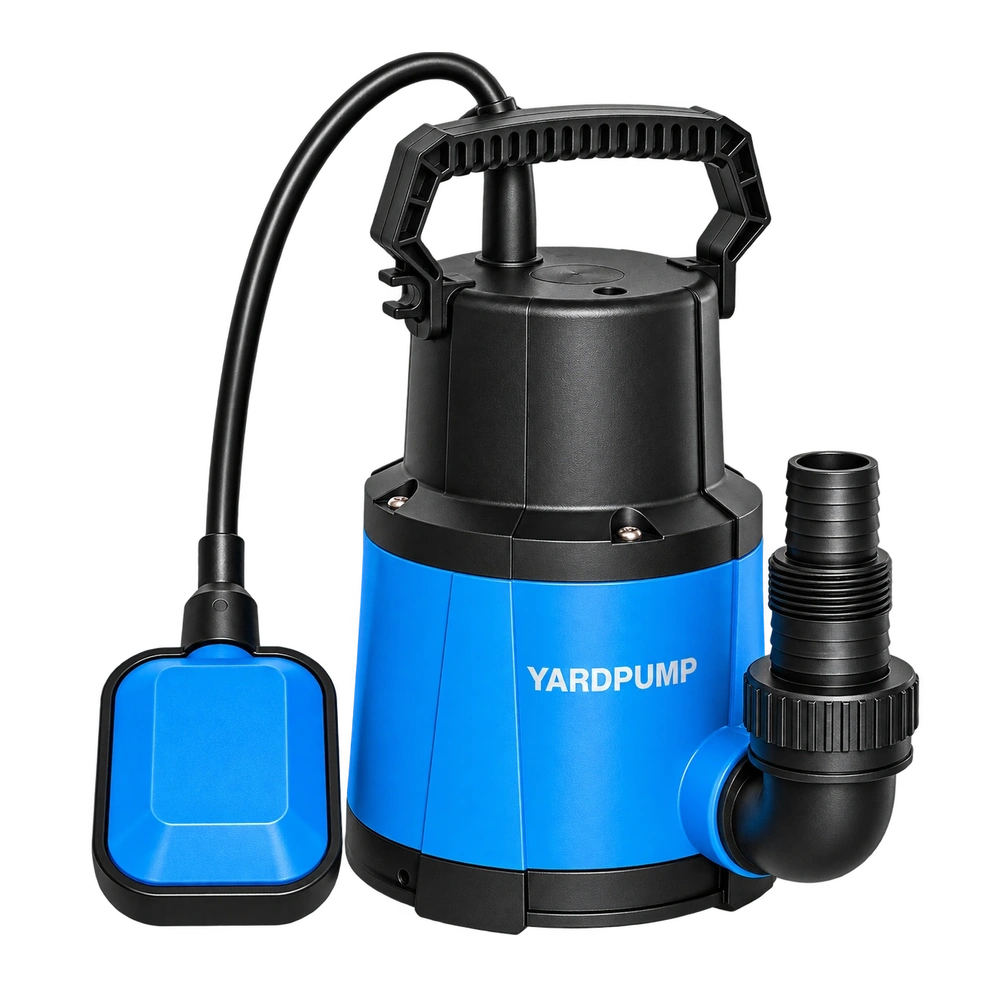
A compact submersible pump has a new static O-ring, but it leaks at its first approved sealing check. A cut appears on the ring when it comes apart. Was the ring twisted in its groove or damaged before it got there? Trace the order of assembly. Some designs require a stretched ring to pass over an external thread, hole edge or other projection on its way to the groove. The ring can be cut along that route and still sit neatly in place. A local notch can leave a leak path when the joint is compressed. A cut alone does not prove which feature or step caused it.
Match the damage to the route the ring took
Preserve orientation where possible. Record the groove, the direction of installation and the leak location. Photograph their relationship to a locating point, thread start or part marking. If the ring is still installed, qualified personnel should isolate the electrical supply, relieve stored pressure, prevent automatic start and follow the service procedure before removing it. Use the prescribed tools and record any new damage during removal. A sharp pick can create a mark that looks like installation damage. Retain unused rings, returned rings and mating hardware separately rather than cleaning away the evidence.
For a possible thread cut, look along the travel path for the first thread, hole edge, interrupted thread or burr. For rolling or twisting in the groove, look at the installed orientation, compression marks, order of closure and whether the mating part dragged the ring around. Both can occur. A round ring can change position when removed. If the only evidence is a close-up of the loose ring, record an unexplained local cut rather than treating the assembly root cause as established.
Find the first step at which damage appears
Have qualified service or quality personnel check the part number, cross section, groove and approved assembly process. If the manufacturer allows a staged inspection, photograph unused rings, rings after crossing the thread, after seating and after housing closure at the accessible stages. Suppose two hypothetical samples are intact before installation and show a cut in the same orientation immediately after crossing the same thread. That is a reason to hold the assembly path and investigate protection. If the cut is only seen after teardown, there is still no evidence that isolates installation. A passing short test does not excuse visible damage either.
Ask the manufacturer about a suitable guide sleeve, protective fitting or alternative approved insertion direction when the seal must cross an edge. The tool must fit without cutting the ring or shedding debris, and any lubricant must be compatible and authorised. Do not grind the thread, add adhesive, wrap loose tape or fit a larger ring to cover up a cut. Inspect hardware against the drawing if an edge is out of specification. Any change to a chamfer or process needs approval and validation of both dimensions and sealing.
Close the service case with evidence
Hold parts linked by evidence to the same lot, fixture or station while quality investigates. Reassemble with the approved part and process, then repeat the prescribed sealing check for that version. Suspected motor water ingress calls for qualified evaluation of electrical safety before release. Record whether the step that created the cut was demonstrated or whether the likely route was identified without evidence from the installed condition. That distinction helps the next technician decide whether to inspect a tool, check a hardware lot or repeat the assembly observation.
Check the parts packaging too. A cut on an unused ring points first to packaging, picking tools or handling. Intact unused samples shift attention to thread crossing and closure. Keep the two observations separate in the lot record.
Frequently asked questions
Can a ring sitting flat in the groove rule out a thread cut?
No. A ring can be cut before seating and still sit evenly. Compare the local mark with its travel path.
Does every threaded part need a protective sleeve?
Use the approved process for the assembly. When the ring must cross a potentially sharp feature, confirm the specified protection and tooling.
Can extra lubricant make a cut ring safe to reuse?
No. Fit an approved undamaged part with the prescribed lubricant and assembly process, then repeat the required sealing check.