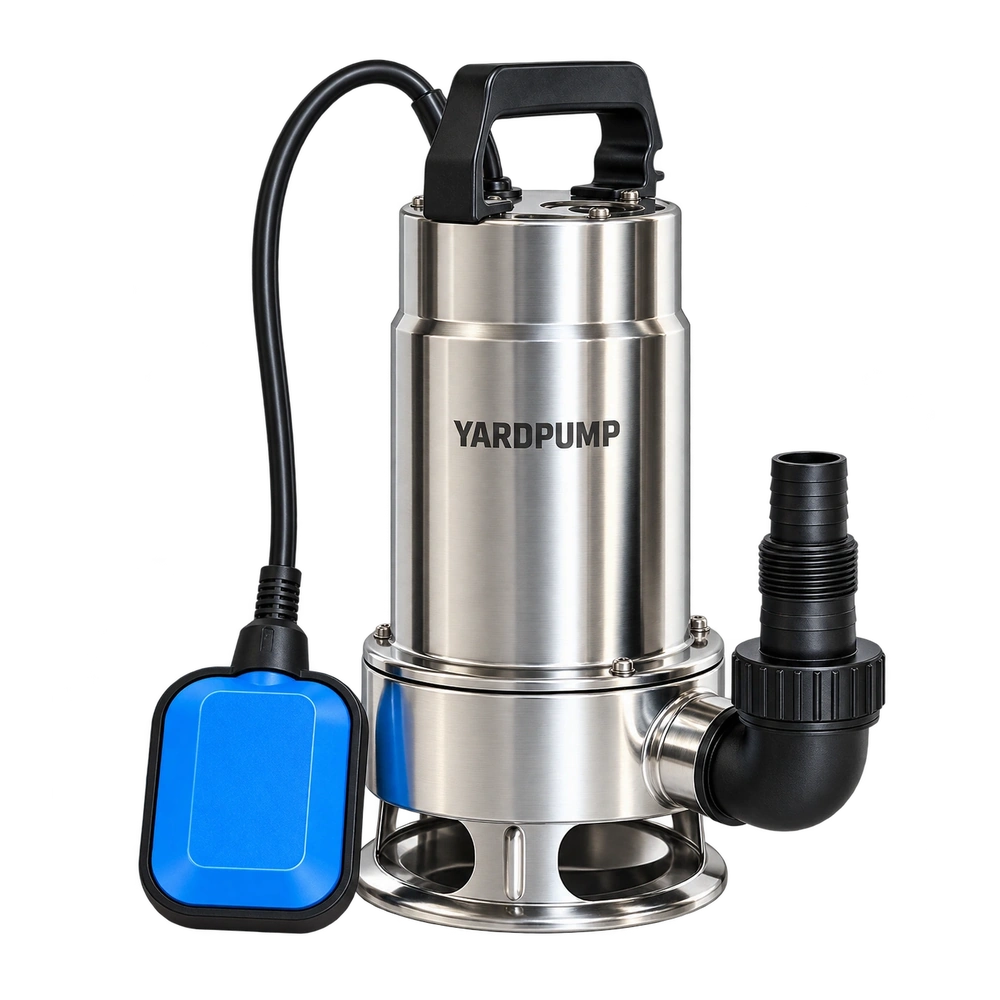
A pump passes a stationary immersion check but later admits water during operation. The buyer concludes that the original test was useless. A better conclusion is that it covered a different condition. Static tightness has value, but rotation, temperature, vibration and pressure changes can create conditions it did not assess.
Rotation introduces additional influences
A mechanical seal limits leakage around the shaft through its mating faces and associated structure. In operation, lubrication, runout, alignment, face behaviour and thermal distortion can affect sealing.
The shaft, bearings and mounting interfaces participate in that behaviour. A dynamic leak is therefore not automatically proof of poor seal material.
Other interfaces can also change with running temperature or vibration. Preserve the location, timing and water marks rather than assuming every leak occurring during operation enters through the shaft seal.
| Static assessment may cover | Dynamic validation also considers |
|---|---|
| Stationary boundary at specified pressure and duration | Speed, load and working seal-face conditions |
| Initial assembled geometry | Thermal expansion, distortion and cycling |
| Liquid conditions during the test | Relevant service medium and lubrication |
| Leakage while stopped | Vibration, starts, stops and related changes |
The distinction is about state. Whether the test medium is air or water is another dimension and should not be confused with static versus rotating operation.
Establish what was actually tested
Record medium, pressure or depth, temperature, duration, acceptance method and specimen condition. “Passed immersion” without those details has limited purchasing value.
Dynamic validation needs approved speed, load, cooling, pressure and start-stop conditions, together with a defined examination method. It should not become an uncontrolled attempt to make a sample fail.
Do not arbitrarily increase pressure, exceed immersion limits or remove cooling water. Damage produced outside the permitted conditions does not automatically establish nonconformity at the intended duty.
Link the test stages
For a hypothetical programme, samples complete the specified static check, operate under an approved duty and are then examined for ingress. If an abnormal condition appears during the running stage, record its timing, liquid temperature, load and relevant vibration before controlled disassembly.
The example illustrates evidence continuity. It does not prescribe one depth or duration for every pump.
Suitable comparisons and repeat checks can help separate a single assembly defect, component variation and a design-related issue. One successful sample cannot cover every tolerance combination, while one failed unit does not establish a universal defect rate.
Maintain specimen identity through the stages. Swapping components or cleaning before recording evidence can make the final examination difficult to interpret.
Assess the seal with its surroundings
Check relevant shaft runout, seat alignment, stationary-ring position, elastomer condition, loading and lubrication against the actual design. Competent personnel should use appropriate datums and methods.
A removed seal that appears satisfactory on a separate fixture may no longer experience the original misalignment or thermal conditions. Component testing cannot automatically clear the complete assembly.
Where ingress is suspected, stop use and electrically isolate the pump. Do not ask a user to continue running until more water enters. Blocking a suspected path, bypassing protection or applying temporary sealant is not a substitute for approved diagnosis.
Combine acceptance methods deliberately
The buyer and supplier should define the roles of static screening, dynamic validation, change assessment and production checks. Repeating an easy static test does not cover operating conditions that were never assessed.
Changes to the shaft, bearing, material or seal arrangement may alter dynamic behaviour. Review whether earlier evidence remains applicable rather than inheriting it from an unchanged external appearance.
Reports should identify the actual configuration and limits and retain original results. A static pass is neither meaningless nor comprehensive. It is one part of a validation chain that separately establishes tightness while stopped and during relevant operation.
Frequently Asked Questions
Does water ingress during operation prove a failed shaft seal?
Not alone. Other interfaces may respond to temperature or vibration; identify the actual path.
Can dynamic validation automatically replace every static check?
No. Their roles and production efficiency differ; combine them under the approved programme.
Can higher static pressure replace a running test?
No. It does not reproduce rotation, thermal state and starts, and pressure must remain within approved limits.