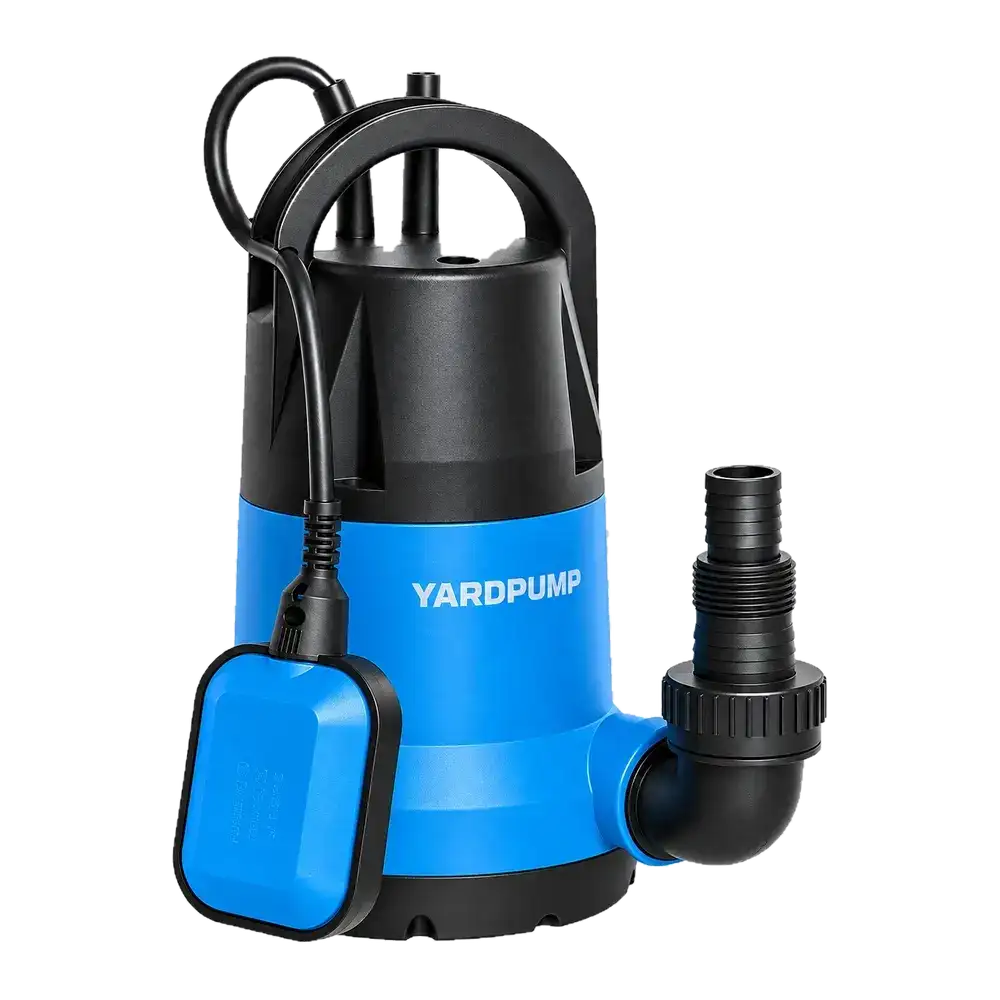
A sump pump stops and the discharge pipe produces a sharp bang. Will replacing the check valve with a quiet model solve it? This typical service complaint requires separating a short hydraulic event, valve movement and structural transmission. The valve may contribute to the sound and the supports may amplify it. A quieter installation, however, is not automatically proof that an unsuitable pressure transient has been removed.
Low steady pressure does not rule out a surge
A moving water column carries momentum. Pump stopping, reverse flow and valve closure can change its velocity quickly, sending pressure disturbances through the pipeline. Depending on the system, substantial pressure increases or decreases can occur. A steady gauge reading, maximum pump head or a phone recording cannot individually describe the complete short-duration event. They answer different measurement questions.
This is also different from ordinary vibration during continuous operation. Not every shutdown noise has the same water-hammer mechanism. Loose supports, valve impact, entrained air and separated water columns rejoining can produce different symptoms. Record exactly when and where the sound occurs and which operating state accompanies it. That is a stronger starting point than deciding immediately that one component has failed.
A simplified example illustrates the distinction
For an applicable simplified water-column model, pressure change can be estimated from density multiplied by wave speed and velocity change. Assume a density of 1000 kilograms per cubic metre, wave speed of 300 metres per second and a rapid velocity change of 1 metre per second. The result is approximately 0.3 megapascals, or 3 bar. These are hypothetical teaching assumptions, not a measured peak for any pump or pipe.
Actual behaviour depends on pipe length, material, restraint, closure dynamics, air, boundary conditions and reflected waves. Do not use that example alone to specify a site's pressure rating. A flexible hose should not automatically be treated as a proven surge-control device either. Where analysis is needed, competent specialists should select a model and measurement arrangement appropriate to the complete installation.
| Observation | Further investigation | Unsupported conclusion |
|---|---|---|
| Bang occurs only at stopping | Velocity change, valve action and water column | The motor must be defective |
| Noise is strong at a support | Movement, restraint and structure-borne sound | Tightening proves pressure is safe |
| A replacement valve is quieter | Closure characteristics and actual transient | Water hammer has been eliminated |
Why a quiet valve is not the whole specification
Closing behaviour, installation position, direction and operating range can affect the result. A design that helps one installation is not automatically suitable for every bore, flow or orientation. Check permitted liquids, solids, maintenance requirements and pressure loss as well. Quiet is a useful observation, but it is not a complete valve selection criterion or hydraulic verification method.
Removing a check valve casually can introduce drainback, reverse rotation, changed water levels or additional starting. Adding another valve can create other restrictions. A suitable remedy considers water-column deceleration, closing timing, pipe arrangement, equipment limits and necessary protection together. Repeatedly changing accessories until the sound becomes less noticeable is not a substitute for understanding what the system is doing.
Preserve useful service evidence
Record the pump identity, installation sketch, valve model and direction, pipe bore and elevations. Include the pre-stop operating state, noise location and switching frequency. Visible movement can be recorded from a safe position, but nobody should dismantle pressurized pipework or inspect through unsafe electrical or water exposure. Competent personnel must handle pressure measurements, dismantling and electrical work under the appropriate isolation procedure.
If surge magnitude matters, use instrumentation capable of capturing the transient. A slow gauge needle or audio loudness cannot establish peak pressure. After a remedy, verify drainage performance, valve action and the complete operating boundary as well as sound. The noise helps locate a problem; the engineering objective is control of unsuitable hydraulic and mechanical loading throughout the system.
Questions about shutdown bangs
Does low operating pressure prevent water hammer?
No. Transients depend on changing velocity and system behaviour, not solely on the steady-pressure reading.
Is the problem solved when tighter supports stop the noise?
Not necessarily. Reduced structural sound does not establish an acceptable pressure transient or loading condition.
Can the check valve be removed for an informal test?
Do not alter it casually. Drainback and controls may change; obtain a competent assessment of a suitable diagnostic method.