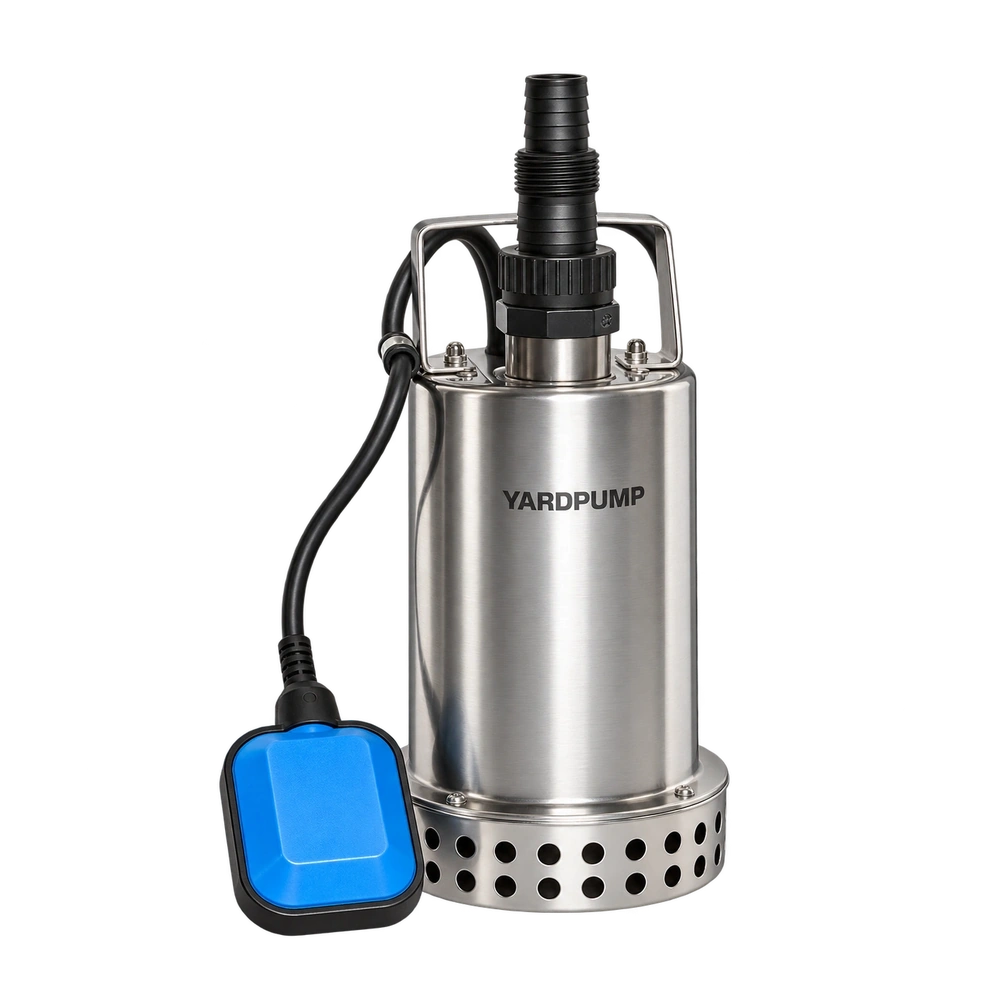
A replacement impeller fits the shaft and clears the casing. Is it ready to ship? Check its relationship with the volute tongue as well. The local geometry near the impeller outlet can influence pressure pulsation, sound, efficiency and operating behaviour. Physical fit establishes only part of the required compatibility.
The tongue has a hydraulic role
In a typical volute arrangement, water leaving the rotating impeller enters a stationary casing. The tongue region helps organise that flow. As blades pass the region, their interaction can create periodic pressure changes. Requirements depend on the casing, impeller outlet and operating point.
It is therefore unsafe to assume that removing the tongue is harmless, that a larger gap is always quieter or that a smaller gap always improves efficiency. A modification may improve one symptom while worsening another. Pumps using a different casing arrangement need an explanation appropriate to their actual geometry.
This is a pairing question. Neither an impeller drawing nor a casing drawing alone completely describes the operating interface.
Equal diameters do not establish equal local clearance
Outlet blade angle and thickness, shrouds and the actual rotating envelope all affect the relationship. Tongue shape, rotor eccentricity, bearing location and assembly variation can change the closest distance. Measuring one maximum outside diameter does not capture all of those conditions.
For a hypothetical comparison, two impellers both have an 80 mm outside diameter but different outlet blades and shrouds. Their closest approach to the same tongue, discharge direction and pressure distribution may differ. The example does not predict which design performs better or establish a recommended clearance.
| Level of comparison | What to establish | Insufficient on its own |
|---|---|---|
| Component geometry | Outlet, shroud and tongue profiles | Impeller outside diameter |
| Assembly | Rotating envelope and minimum clearances | One stationary photograph |
| Hydraulics | Curve, power and allowed operating range | A maximum-flow figure |
| Dynamic behaviour | Sound, vibration and pulsation conditions | Smooth turning by hand |
A different tone is evidence to investigate
A distinct sound after an impeller change may relate to blade interaction near the tongue. It may also arise from the motor, bearings, contact or pipework. Frequency analysis can help identify candidates, but cannot replace geometry and duty checks.
A quieter pump is not automatically more efficient or more resistant to clogging. Establish the required delivery task before interpreting the improvement. If the modified pump delivers less water, a sound reduction may accompany a different operating condition rather than a better design.
First exclude mechanical contact and loose material. Use an approved guarded test arrangement, suitable electrical protection and the prescribed liquid conditions. Isolate power before inspection; never reach into an operating intake or remove guarding to observe the blades.
Make a redesign comparison useful
Control the impeller and casing as a matched configuration. Record drawing identities, material, geometry and assembly condition. Compare specified working points under equivalent supply, liquid and pipework conditions, including real input power, temperature, sound and vibration where relevant.
If solids handling is part of the task, assess the complete passage and agreed challenge material separately. Clearance near the tongue does not define the screen, inlet or discharge connection.
Avoid changing the tongue, impeller and capacitor together and attributing the result to one gap. Define variables and stopping conditions before testing. Contact, overload or abnormal vibration calls for shutdown and investigation rather than continuing to accumulate test hours.
Buy a matched revision
A replacement quotation should identify the compatible casing and final revision, not simply the bore and outside diameter. A supplier offering a universal part should explain the supported applications and evidence. Performance information must follow the verified completed assembly.
These principles do not prescribe a universal tongue clearance or authorise cutting of any YARDPUMP component. The useful acceptance question is whether the final pair meets its required duty within the agreed mechanical and thermal boundaries.
Frequently asked questions
Does a larger tongue gap guarantee less clogging?
No. The inlet, passage, discharge and fibre-catching features may still determine the limitation.
Should an equal-diameter replacement receive curve testing?
Assess the complete geometric change. Equal diameter does not establish equal outlet flow or power demand.
Does a short run without rubbing prove production readiness?
No. Temperature, assembly variation and the specified operating range also need verification.