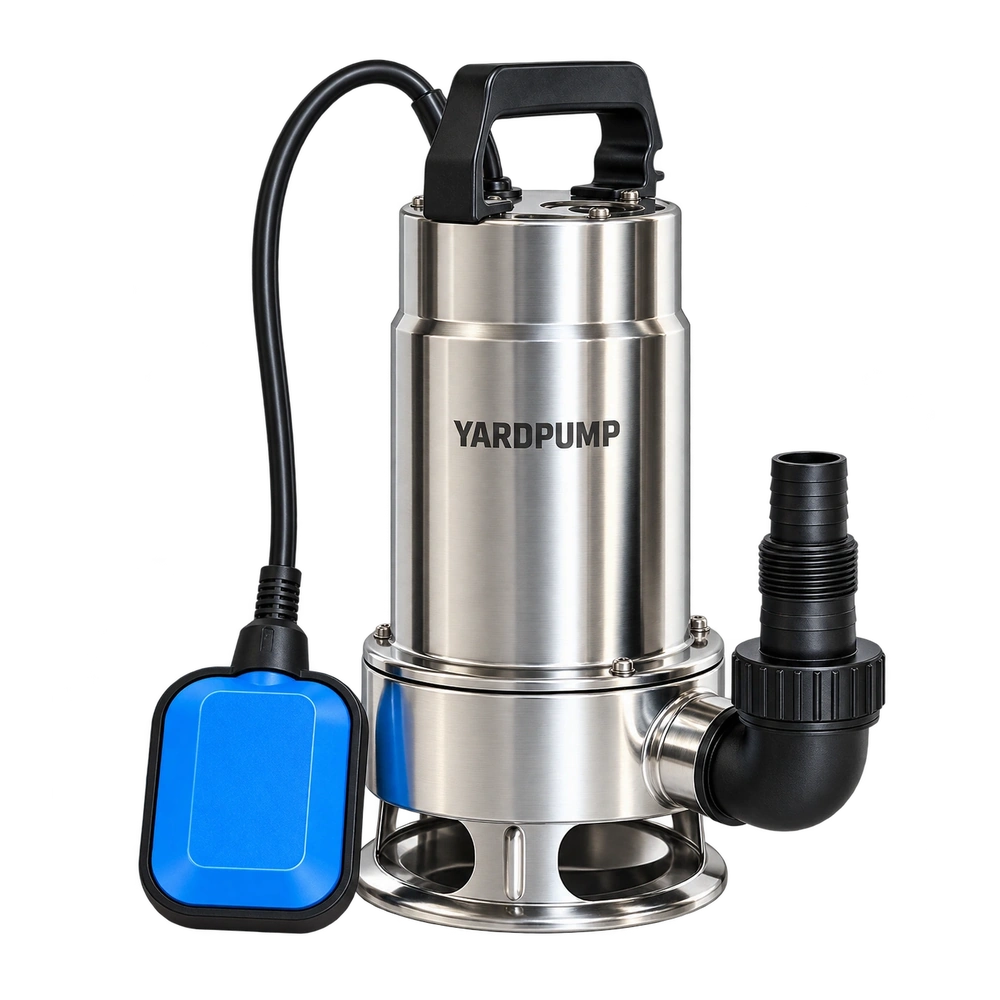
A pump completes a loaded temperature test. The technician disconnects it, lifts it from the tank, dries it and connects a resistance meter several minutes later. Does that reading represent winding temperature at shutdown? It generally cannot be treated that way without further assessment. Copper and aluminium winding resistance changes with temperature, while the winding continues cooling during handling. A delayed reading can understate its earlier temperature.
The practical answer is to plan safe switching and timing before the test, retain time-stamped resistance readings after shutdown and apply the relevant test method. Adding an arbitrary temperature allowance afterwards is not a reliable correction.
What resistance actually tells you
Resistance-based temperature estimation describes the average temperature of the measured winding. It does not directly measure an individual hot spot. The calculation needs a sound cold resistance and temperature reference, a hot resistance measurement and the relationship appropriate to the conductor material.
A cold motor that has not reached thermal equilibrium can give a misleading reference. Treating aluminium as copper introduces another error. Neither problem disappears simply because the hot measurement is taken quickly.
After shutdown, heat continues moving between windings, core, housing and water. Leaving a pump submerged, lifting it out, opening the motor or changing water temperature can alter the cooling history. Results from different handling procedures are therefore not automatically comparable. A housing that feels cool is not evidence that winding temperature was low.
Put the measurement timeline in the procedure
Define how shutdown starts the timer, who confirms isolation, when the instrument may be connected and how the first valid reading is identified. Qualified personnel must manage stored electrical energy, discharge and instrument requirements. No reading is worth taking by disconnecting live wiring or bypassing isolation.
| Record | Information to retain | Why it matters |
|---|---|---|
| Cold reference | Resistance, temperature, equilibrium conditions and terminals | Establishes the calculation baseline |
| Shutdown | Time stamp using the measurement clock | Establishes elapsed cooling time |
| Hot measurements | Resistance and time for each reading | Shows the cooling trend |
| Cooling conditions | Water temperature, immersion, movement and opening | Explains differences between test curves |
Four-wire measurement can reduce the contribution of test leads and contacts, but it does not remove every source of uncertainty. Meter resolution, range, connections and test current must suit the winding. Excessive test current can itself heat the conductor.
A numerical illustration
Consider a hypothetical copper winding with a resistance of 10.00 ohms at a stable 20°C. Using an approximate copper temperature constant of 234.5°C, a shutdown resistance of 13.00 ohms corresponds to an average winding temperature of about 96.4°C. If cooling reduces the measured resistance to 12.50 ohms, the same calculation gives about 83.6°C.
The difference is approximately 12.7°C. Reporting the later result as the shutdown temperature would lose information about the earlier thermal state.
These are illustrative values, not measurements from a YARDPUMP model, a universal cooling rate or an acceptance limit. Actual testing must use the material relationship, timing and treatment required by the applicable method. Where extrapolation is required, retain the original sequence, fitting method and checks that justify it. One late reading cannot reliably reconstruct an unknown cooling curve.
What a purchaser should ask for
A useful report distinguishes the temperature at the actual measurement time from a shutdown temperature derived using an identified method. It states the delay to the first reading and explains how that delay was handled.
Also check the pump configuration, supply, operating point, water temperature and duration of the thermal test. A temperature result without those conditions is difficult to use for an OEM release decision. An identical model name alone does not establish an identical test.
Incomplete records do not automatically prove a defective pump, but they also do not justify inventing a correction and signing it off. Ask the laboratory whether the existing data supports a defensible result. If the cold baseline or timing is missing, a controlled repeat may be the better decision. The responsible test organisation should confirm methods used for certification conclusions.
Frequently asked questions
Can results be compared if every operator measures after one minute?
Only if the cooling and measurement conditions are also controlled. Equal elapsed time does not guarantee equal thermal history or establish shutdown temperature.
Can an infrared housing reading replace winding resistance measurement?
Not directly. Housing temperature, average winding temperature and a local winding hot spot are different quantities. The test method must identify the purpose of each measurement.
Must every late first reading mean repeating the test?
No. A laboratory can assess the continuous data and permitted treatment under its method. A single un-timed value should not be extrapolated informally to release a pump.