A buyer gets almost the same conductivity reading at two water sources. An existing saline-service pump was approved for one; can it be used at the other? Do not release a material decision on that number. Conductivity describes how readily the dissolved ions as a group carry current. It does not identify them individually. Even readings taken at the same reference temperature can come from waters with different chloride, pH and other chemistry. Check the complete wetted assembly against the actual exposure.
Similar conductivity can come from different water
Ions from chloride and sulphate salts and other compounds contribute differently depending on their type, concentration and mobility. There is no universal conversion from conductivity to chloride for any water sample. Temperature compensation, reference temperature and probe condition matter too. Some handheld meters report an estimate of total dissolved solids derived from conductivity. A display in concentration units is still not an individual chloride measurement. It can help track changes in a known source but does not qualify a different one.
Imagine laboratory results for two hypothetical samples. Both have conductivity near two millisiemens per centimetre at the same reference temperature. One has about 200 milligrams per litre of chloride, and the other about 450. The values show that similar conductivity does not establish identical composition. They are not limits for a pump and were not calculated from the conductivity. If the only record is a number from a handheld display, there is no way to see what changed in the liquid, temperature or meter configuration.
Collect a sample that represents the application
Record where and when the sample was collected, whether it was before or after refill or concentration, and whether it represents the inlet. Note temperature and analysis timing. Use suitable analysis for relevant components, such as chloride, pH or specific cleaning chemicals. Chloride and available chlorine used for disinfection are not the same measurement. Repeated samples at comparable conditions can distinguish a transient reading from sustained exposure. Where tides, evaporation or cleaning discharges affect the water, a single initial sample can be insufficient.
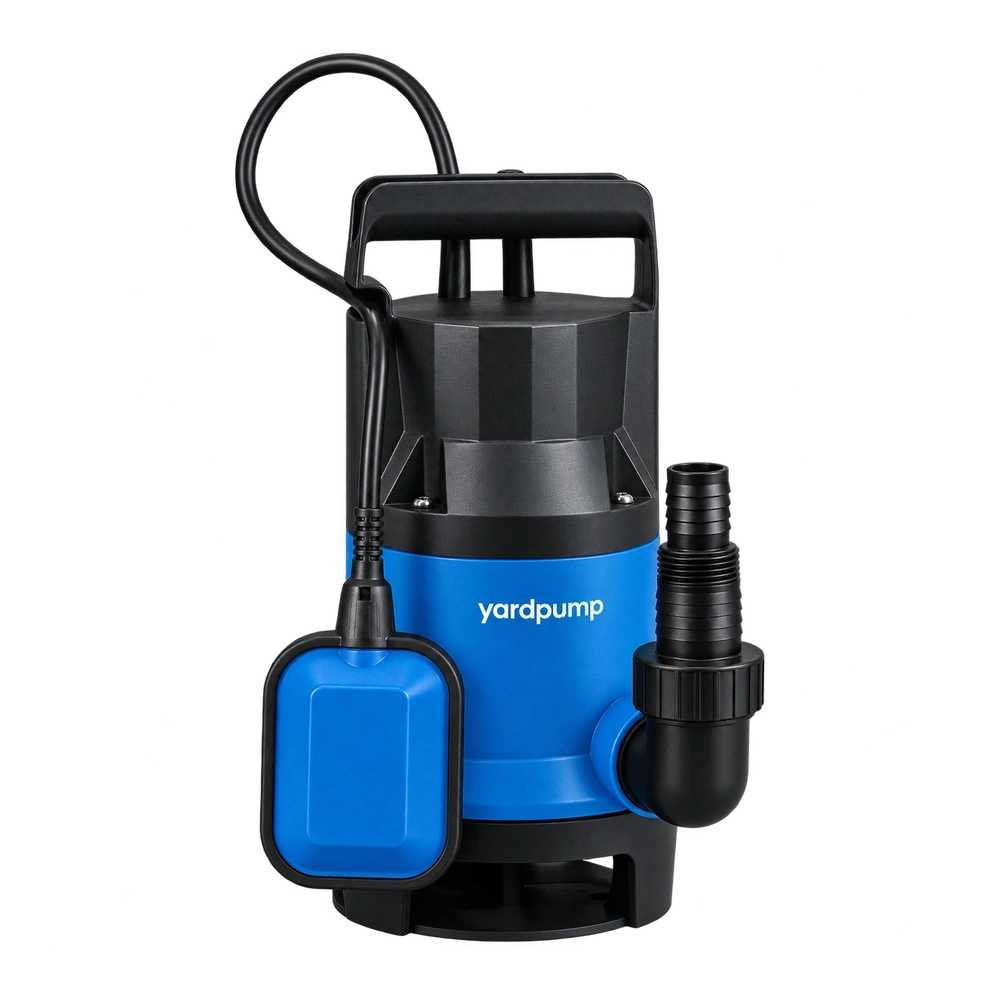
Send the liquid information with the operating profile: immersion, wet and dry cycling, rinsing, temperature, abrasives and the intended discharge. Check actual shaft, fasteners, inserts, seals, fittings and coatings in combination. The shaft grade alone and a fresh-water performance curve do not qualify the complete assembly. If the liquid is unknown or potentially hazardous, stop field trials and have the relevant professionals assess safe handling. Do not use a portable meter reading as permission to pump it.
Use the right evidence for the decision
For screening one known source, comparable measurements can give a useful trend. For extending an approval to a different source, get chemistry representative of the job, compare the actual wetted assembly and validate where required. If the liquid is outside the verified boundary, change the conditions or use a configuration qualified for them, or rule out the job. Two matching meter readings do not make two environments equivalent.
Keep a dated record of changes in the water source. A sample taken before replenishment, prolonged evaporation, or rain may no longer represent the same pond. Ask for a fresh sample when the source changes, check the conductivity meter calibration for the working range, and match the independent chloride result to that sample ID.
Also agree on what a new result will trigger. If the application uses a different water supply in summer, evaluate that supply before a repeat order instead of relying on a test for the winter supply.
Frequently asked questions
Does low conductivity rule out corrosion?
No. Chemistry, pH, temperature, material and crevice conditions can also matter.
Can matching TDS readings replace analysis?
Check how each instrument obtained the number. A conductivity-derived total estimate cannot establish an individual ion concentration.
Can conductivity provide an alert for one source?
It can help if a relationship is established against representative analysis. Recheck it when the composition of the source changes.