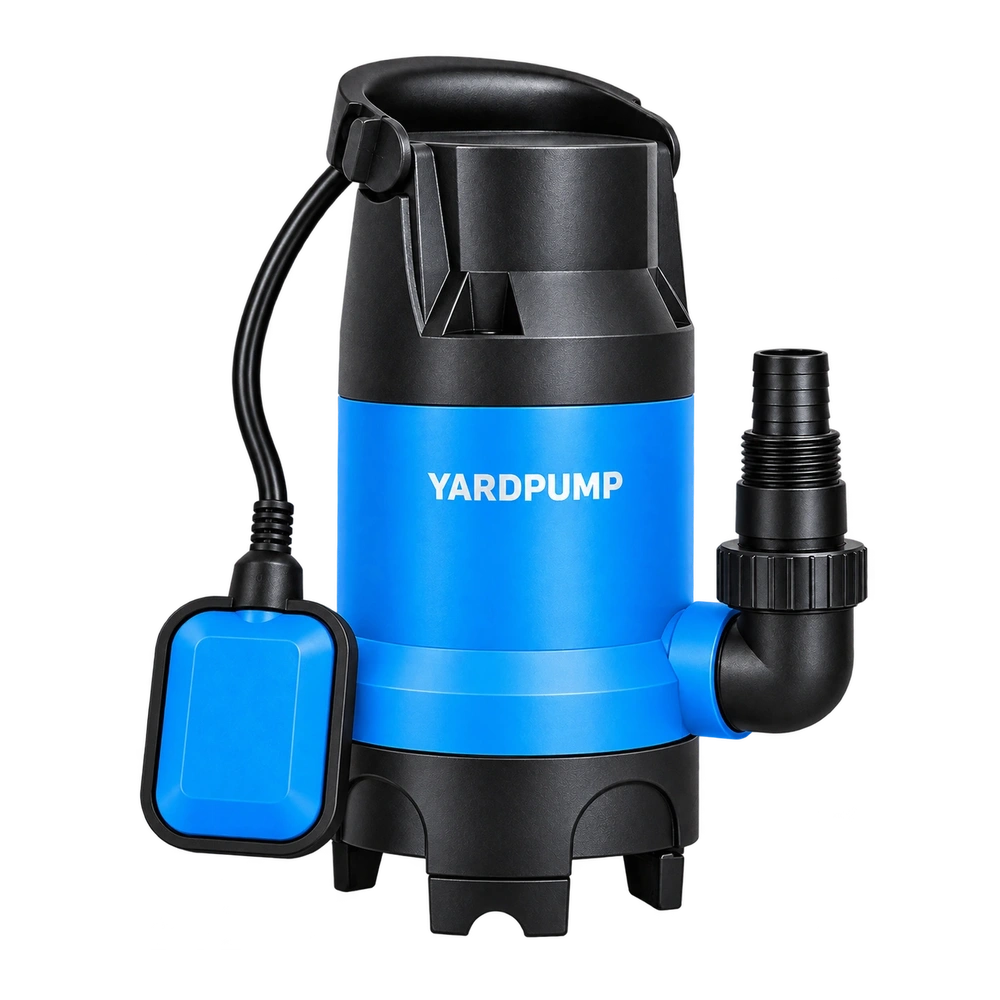
A compact dirty water pump has trouble getting going in a cold pit or store, then sounds normal after it runs. Is the bearing damaged or is the grease thicker when cold? Lubricant drag is plausible, but a smoother warm run does not clear the bearing. Look for a repeatable temperature effect, rule out electrical and hydraulic conditions, and seek independent evidence of bearing damage on an isolated unit. Do not keep starting a pump that hums without turning or has already tripped its protection.
What contributes to cold drag
A grease consistency grade alone does not predict bearing starting torque. Base oil viscosity at the actual temperature, thickener, fill and bearing construction all play a part. During initial movement the rolling elements have to move and redistribute the grease, and resistance may be higher than in stable operation. A grease can be approved for a temperature without proving the small motor has enough starting margin there under its actual supply. Bearing seals, shaft lips and mechanical seals can also contribute temperature dependent drag.
Raceway damage, debris, corrosion and an overly tight installation can produce similar symptoms. A change in sound as lubricant moves or components warm does not remove an existing damaged spot. A frozen impeller, blocked intake, voltage drop or fault in a single phase start circuit also deserves consideration. Check the actual temperature and liquid against the approved version's instructions. Do not heat the pump with hot water or a flame, run it dry or defeat a protective device to force a start.
Make the cold and warm comparison meaningful
Give service staff the time since shutdown, pump and water temperature, supply version, depth of immersion, discharge setup and the sequence from sound to actual water delivery. Collect observations from a safe position. If equipment is within its permitted limits and shows no safety or mechanical warning, qualified staff can compare cold and stable operation with a known sound pump of the same configuration. An operator should not open electrical connections in a wet area or inspect live internals.
Consider a hypothetical comparison at two approved temperatures. Both the returned pump and an approved sample show a similar brief delay only under the cooler condition and then deliver steady flow through the same line. That supports a temperature related resistance, possibly from the lubricant or seals. If only the returned pump is unusually slow when cold, makes a cyclic scraping sound or feels rough even at the milder temperature when checked under the service procedure, hold it for investigation. Different outlets, extension cords, impellers or discharge lines make the two starts poor evidence for grease drag.
Use teardown evidence to decide what to change
Qualified service staff should isolate the supply, prevent automatic restart and follow the manufacturer's procedure. Check races and rolling elements, corrosion, contamination, cage, clearance and the condition of the bearing seat. Record grease appearance and the part identification where available; colour cannot establish that greases were mixed. Bearings that are not field serviceable should be handled through the approved replacement or return route. A dealer can supply the lot number, baseline comparison and cold conditions without opening a sealed motor.
If the evidence points to lubrication, have engineering confirm the proposed grease against the bearing, seal and full temperature range. Validate cold starts, sustained operation and endurance under the required conditions in the full assembly. Sending a tube of generic grease is not a verified fix. If there is evidence of damage, follow the bearing, fit or water ingress cause. Where the evidence remains mixed, record cold starting resistance as an unresolved symptom and keep the comparison conditions for the next inspection.
Frequently asked questions
Will a thinner grease always improve a cold start?
No. Cold torque is one consideration; running temperatures, compatibility and bearing life still need engineering validation.
Should a bearing be checked if it sounds normal once warm?
Yes, if cold symptoms are repeatable, protection operates or there is cyclic scraping. A quiet warm run cannot clear the bearing.
Can I briefly run the pump in air to remove the effect of water?
Do not use a dry run as a diagnostic shortcut. Test under approved liquid and immersion conditions or have qualified personnel inspect the isolated equipment.