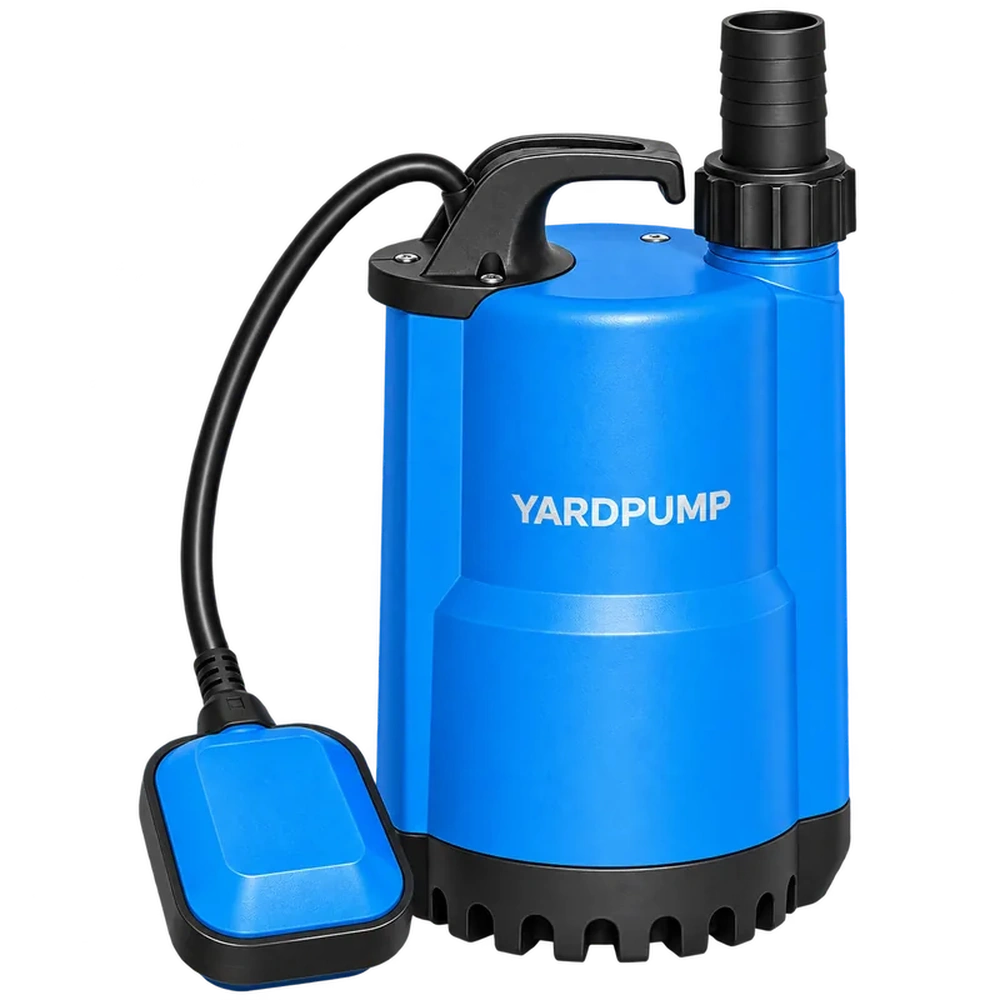
A sump pump ran before a check valve was replaced. With the new valve installed, the motor can be heard, but nothing reaches the end of the line. The timing makes the valve and the disturbed fittings good places to start. Stop the pump and confirm what changed before ordering another motor or impeller.
Follow the water path through the valve
A check valve permits flow in one direction and closes against reverse flow. Its arrow normally indicates permitted flow, but the exact product instruction governs. When closed against the pump, pressure rises in a short trapped section while useful flow remains near zero.
Start at the pump outlet and trace the line to its destination. On a conventional in-line valve the permitted direction points away from the pump. A vertical riser discharging upward will usually have the arrow up, but a line with a bend or a horizontal section needs the direction established from its route. Some valves have restrictions on mounting orientation even when their arrow points the right way.
Where a valve is assembled from several parts, check the markings on the actual body and compare them with the installation drawing. A box label or a photo from another model can hide the difference between a flap and a spring-loaded poppet. Also confirm the pipe sizes and that the pump has enough head for the approved valve and route.
Inspect a correctly oriented valve that still will not open
After isolation, confirm valve orientation, free mechanical movement and the absence of shipping plugs or collapsed hose. Use an approved temporary open route only under controlled service conditions. Do not remove protection or handle a pressurised line while energised.
A small stone around a hinge, an insert displaced during assembly or a damaged seat can keep a valve closed. A valve selected for a different duty may need more opening pressure than this installation can provide at startup. An open discharge test can tell a qualified technician whether the pump delivers on a known approved path. Removing the valve changes several things at once, so use the result to guide inspection of the valve and route.
If the discharge side is full, isolate, secure and drain it by the approved method before opening the joint. A check valve can trap a column above it after shutdown. Keep electrical isolation in place while inspecting or replacing parts.
Pass the test with the valve fitted
Correct or replace the valve with an approved configuration, then verify wet cycling, shutdown backflow and leak-free joints. Record the exact valve and orientation for service.
After repair, refill the pit and observe a normal start from a safe position. Check the outlet for flow and the assembly for movement or leaks. At shutdown, see whether the pit level rises sharply before it resumes filling at the normal rate. That can identify returned water even if the first run sounded fine. Keep the final valve identification and a photo of its fitted direction with the service record.
If the pump also fails on an approved, unobstructed test path, other causes include air trapped at startup, a clogged inlet, an impeller connection fault or a pump selected for less lift than the route needs. Each calls for a further check before the pump is put back in automatic service.
Frequently asked questions
Does a backward valve always stop every drop?
A faulty seal or a bypass can allow a little movement. Trace the arrow along the route and test stable useful delivery after correction.
Which way should the arrow point in a horizontal pipe?
Toward the intended discharge. Confirm the model permits horizontal mounting in that orientation, too.
Why does the pit level jump as soon as the pump stops?
Some water below the valve can return. Look for the size and speed of the jump and check whether the valve closes and holds the section above it.