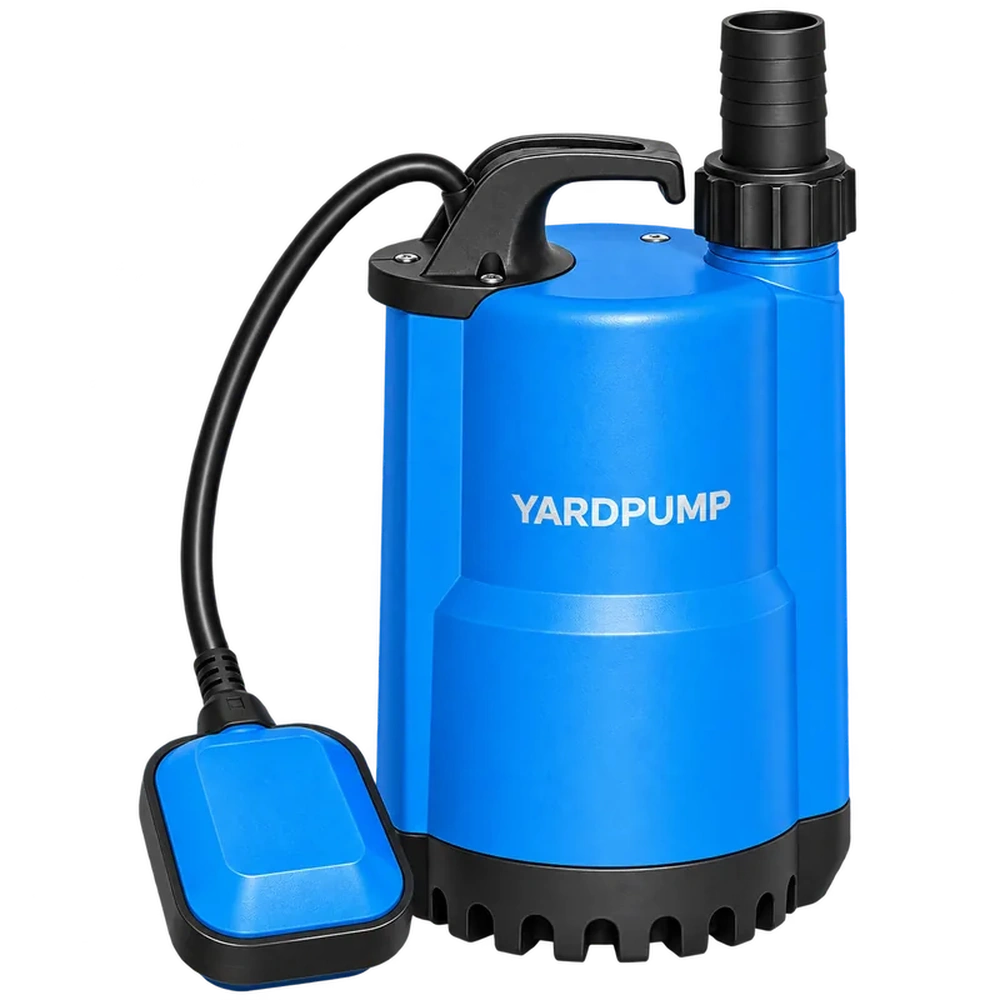
A pump starts from its normal supply. On a long extension lead it hesitates or hums. A meter may show normal voltage before the motor starts. The useful comparison is what happens to voltage during the start, and only for a lead and electrical arrangement that the pump manufacturer and site rules allow.
Starting current can expose a weak connection
Cable resistance creates voltage drop proportional to current. Starting current can be several times running current depending on the motor, so the largest drop may occur during the brief event a basic meter fails to capture. Connections add resistance and heat.
The longer live and return path adds resistance. Plugs and sockets add their own connections, and a loose or damaged contact can cause local heat. A reading taken at the wall with no load tells little about the brief voltage dip at the pump. Low starting voltage can reduce a motor’s ability to accelerate under load, so the symptom may clear when the route is shortened.
For a simple example, assume 0.65 ohm of additional resistance in the full current path. At 4 A it accounts for roughly 2.6 V of resistive drop. At 16 A it accounts for about 10.4 V. These numbers illustrate the relationship. Actual AC measurements also depend on the supply, motor and arrangement. They give no wire-size or extension-length approval for a specific pump.
Keep the measured supply separate from the pump diagnosis
Have qualified personnel measure supply and motor-end voltage during a documented start using suitable equipment. Record conductor size, total route, plug and reel condition, and whether the reel is fully unwound. Inspect protective devices without bypassing them.
For a recurring problem, record the exact pump version, supply and protective devices, the cord and reel type and signs of heating or water exposure. Have a qualified person check start behaviour with suitable instruments from a dry, safe test setup. Compare the voltage available from the source with the voltage available at the equipment under load. Check whether there was sufficient water, whether the pump was free to start and whether the symptom returned on its approved normal supply.
Humming can also indicate a blocked impeller or capacitor fault. Do not keep re-energizing a stalled pump to test the cord.
Choose a supply that suits the actual location
Use the approved fixed or temporary supply with verified voltage and protection, or relocate the supply by a competent installation. Remove damaged or overheating leads from service.
First confirm whether an extension is permitted for the model and site. Where one is allowed, have the installation checked for load, length, conditions and protection. Follow local requirements and the equipment instructions for grounding and ground-fault protection where applicable. Keep connectors out of water and remove any damaged component from use. If a reel is involved, use its documented load limits and operating instructions. A permanent setup may call for an appropriate outlet or fixed supply closer to the required location.
Frequently asked questions
The socket reads its rated voltage before starting. Does that clear the supply?
It shows the unloaded condition. A qualified technician can measure the brief startup condition and locate whether the dip is in the source or in the lead.
Why does the plug heat up while the cable feels cool?
A damaged or loose contact can concentrate resistance at one joint. Stop using the lead or socket and have it inspected.
Could the pump itself still be at fault?
Yes. If it hesitates on its approved supply under known conditions, check the pump’s mechanical load and electrical components through qualified service.