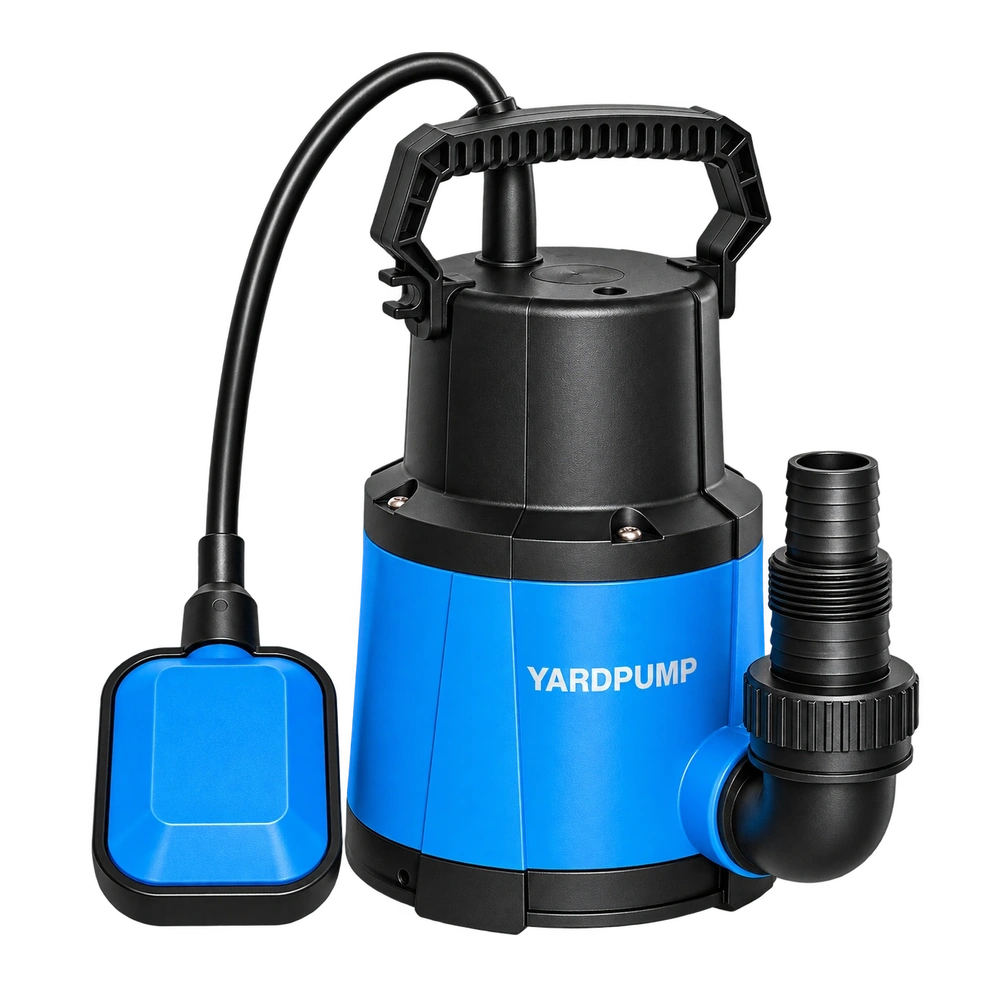
Suppose an inspector has to measure a pump supplied with layflat hose. The warehouse suggests mounting a portable ultrasonic meter directly on the carton’s discharge hose. If the screen reports a flow rate, can the inspector sign the acceptance sheet? Not on that evidence alone. A transit time clamp-on meter depends on a usable acoustic path and a known flow section. A flexible hose can change cross section with pressure, support and bending. A number on the screen only tells you the instrument has produced an estimate with its present setup.
A workable signal does not establish the cross section
Check the meter's scope for wall thickness, material, lining and diameter. Fit the sensors with the specified spacing and an appropriate coupling method. Air in the water, a partially filled section, reinforced layers or variable wall thickness can change the signal. Even a plausible signal does not provide an independently known area for the volume calculation. A pressurised hose lying on a flat surface can be oval or irregular, and a calliper can deform it. When the hose twists, the acoustic path and sensor contact can also change. A nominal hose size does not establish any of those conditions.
A simple example for a round pipe illustrates the size of the effect. At the same mean water velocity, the area for a 36 mm inside diameter is 81 percent of the area for a 40 mm inside diameter. Flow would therefore be about 19 percent lower. These are hypothetical dimensions, not a correction for a layflat hose. With a distorted bore, both area and the velocity profile can be different. Multiplying a meter reading by 0.81 would still assume that the velocity estimate and sound path were correct. If the staff see both high and low readings across shifts, do not start by rejecting the pump.
Validate a section and record how it changes the duty
Use a verified rigid measuring section that suits the instrument, arrange a full pipe with the required straight lengths, and record material, actual dimensions, instrument position and orientation. The spool and fittings add resistance and can move the pump to a different operating point. Retain head and water level, and account for the added resistance using the approved procedure. Report separately a result for the original package duty and one for a rig with the measuring section where the two differ. If the discharge condition can be preserved, a controlled timed mass or volume measurement can provide a comparison. Record collected water, elapsed time and relevant levels, and ensure the container does not raise or submerge the discharge.
Stop, isolate and relieve pressure before changing fittings or measurement sections. Do not move the assembly on a live wet pump. An instrument can be used on flexible hose for acceptance only if that application is supported and its result has been validated for the actual pressure, geometry, liquid and setup against independent measurement. If a hose changes shape between operating pressures, keep separate records; a valid comparison at one pressure does not prove the other. A new supplier's reinforced hose may have the same label yet a different wall construction. Recheck that change before reusing the old instrument setup.
A report should also say which result was recorded before and after moving the sensors. If a short rigid section confirms flow but the hose signal becomes erratic only when the water level falls, investigate partially filled flow or air before assigning the difference to the pump curve.
Frequently asked questions
Is a straighter section of flexible hose sufficient?
No. Also confirm full bore, wall and material suitability, the acoustic path and a usable cross section.
Can water noise tell me whether the meter is accurate?
No. Observation can aid troubleshooting, but acceptance needs a verified measurement.
Does a lower result with a rigid measuring spool prove the hose reading was too high?
No. First check the additional resistance and whether the operating points were comparable.