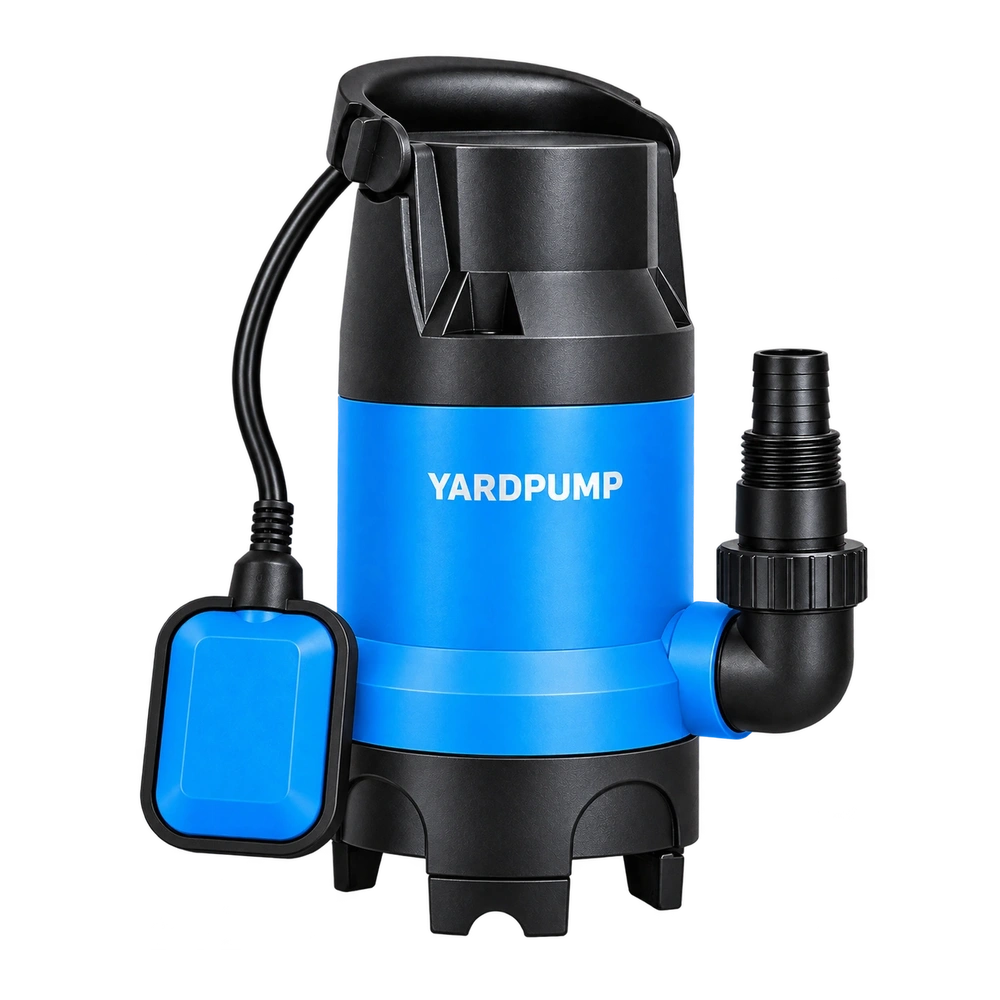
A workshop replaces a radial lip seal on a drainage pump. It still finds a leak during a controlled water check. There are hard specks near the old lip and a bright ring on the shaft. Before fitting a second seal, check whether its lip will run in the old track and whether that ring is polished or actually worn into a groove. A particle embedded in a soft lip can cut the shaft in the same place every turn. Removing the grit and putting a new lip back into the worn track can leave the original contact problem in place.
Confirm what is leaking
Some clean-and-dirty-water pumps use a radial lip seal at the interface in question. Others use a mechanical face seal or a combination. Consult the approved parts and assembly information before applying this diagnosis. A bright line on a shaft is not proof that it is damaged. Inspect the seal outside diameter and bore, the lip itself, shaft transitions, runout and the track where the lip actually rides. Water or oil can travel between interfaces. On a mechanical face seal, check the actual face and secondary sealing paths rather than using a shaft witness mark to explain every leak.
Have authorized service staff remove the parts only after safe isolation. Identify which way the old lip faced and photograph both sides. Do not scrape out a particle or polish the shaft before preserving the evidence. Measure the axial location, width and profile of the track. Use an appropriate surface or profile method, and compare shaft dimensions and runout to valid reference surfaces. Photograph deposits at the old contact edge and on the liquid side separately. Preserve representative samples if possible. A hard speck could also be a piece of corrosion, workshop dirt or material from another part. Compare its location with the damaged edge and wear track. Misassembly, eccentric running or another leak path may still matter.
Base the repair on the mapped contact position
For illustration, suppose a shaft is about 0.06 mm smaller in diameter along the track than on the adjacent unworn section. A close view finds grit embedded at the working edge, and the installation drawing shows the replacement lip would still ride in that groove. These observations support looking at the shaft or an approved sleeve as well as the seal. The figure is not a general rejection limit. Use the maker’s tolerances, material, finish and service procedure. If there is no measurable groove and the evidence leads to the seal outside diameter, investigate the bore or seating surface first.
Do not try to escape the groove by pressing the seal in farther, inserting a shim or sanding the shaft. Those changes can alter lip position, support and how liquid is retained. After replacing the approved shaft, sleeve or sealing assembly, check its actual fit and use the model’s required sealing and return-to-service procedure. Electrical release checks belong to qualified people where affected. If the liquid brought hard abrasive material into the area, review the operating application as well. A stated soft-solids passage does not describe resistance to shaft wear by grit.
The evidence should survive the repair
Record the old and new lip positions and the approved parts on the job. If the same symptom returns, the next repairer can tell whether the groove was resolved and whether another interface remains suspect. That is more useful than a work order saying “seal replaced”. It also helps a buyer decide whether the returned pump calls for a spare seal kit, a rotating assembly, or manufacturer assessment.
When the failure analysis is sent to another workshop, include the shaft shoulder as a reference in the photographs. The groove and the lip position must be compared along the same axis. A close-up showing only a polished line will not locate the new seal on that track.
Frequently asked questions
Does one grain of sand outside the lip establish the cause?
No. A particle at the working edge aligned with the track carries more weight than loose grit elsewhere. Record where it was before moving it.
Will polishing off the bright track help the new seal?
Do not polish it as a diagnostic step. That can change the diameter and texture and erase evidence. Measure the profile before selecting an approved repair.
Can I move the new lip a little farther along the shaft?
Only where the manufacturer’s approved installation or repair arrangement permits that position. Do not relocate a seal to bypass shaft wear on your own.