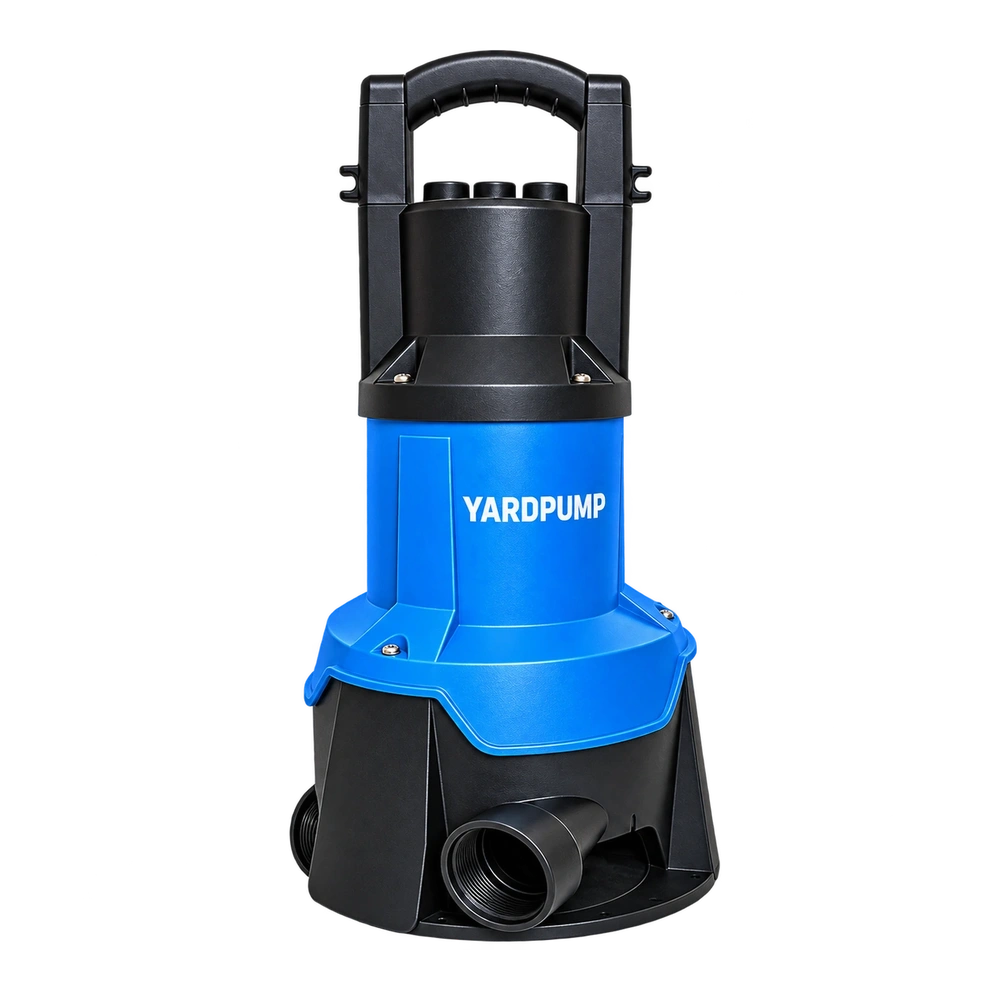
A compact submersible pump runs with a noticeable hum in a thin plastic tank. In a stronger reference tank it sounds much quieter. The pump may be exciting a surface that radiates sound efficiently, rather than developing a new internal defect. Check whether the noise follows the tank and its supports under comparable water duty. A change in how the pump is supported can change sound without changing the energy produced at the source.
Trace the vibration path before changing parts
A running pump creates mechanical and hydraulic forces. When a foot contacts a tank base, a housing touches a side wall, or a fitting loads the edge, those forces can travel into the container. A panel can vibrate and radiate sound when its shape, supports and contained water make it responsive near a forcing frequency. Water level changes can shift the sound by changing the loading on the tank. The discharge hose may also have a separate contact with the lip, so note every connection. A louder tank does not prove resonance by itself, and a quiet reference does not rule out every fault.
The sound can also be airborne pump noise, foam or air at the intake, damage in the wet end, or a vibration in nearby hardware. Ask when it started and what changed: tank, pump footing, hose contact, water depth or duty. If the protection trips, heat, leakage, unsafe wiring or poor delivery are present, isolate and refer the equipment before doing a comparison. Do not let an acoustic explanation substitute for electrical or mechanical inspection.
Compare the same duty on an approved support
Start with evidence you can observe from a dry location. Record the pump and tank, water depth, hose support, discharge elevation, visible gaps to walls, and whether the sound appears at startup or during steady flow. Use the same recording position and settings if helpful, but a phone clip is a comparison aid rather than a calibrated sound measurement. Do not lean against the energized tank or touch the pump to see whether the hum changes.
If the mounting instructions allow a different stable position or a suitable alternate base or vessel, have the support changed with the pump isolated at a safe point. Confirm intake clearance, float movement, intended water level and other operating conditions. Do not lift the running pump, suspend it on the cord or jam a loose sheet under the suction base. Repeat with equal water depth and similar delivery and lift. Keep the hose from contacting a different wall or tank edge in just one trial unless that contact is the factor being tested.
For an illustrative comparison, suppose ordinary delivery is close to 26 L/min in both approved layouts. The hum is clear only when a foot bears on a flexible panel and drops markedly on an approved stable support, with the hose and level unchanged. That supports investigating the transfer path into the tank. It does not verify the motor or give a universal noise limit. If the noise persists on both supports and the flow or pump readings depart from a known sound reference, have qualified service examine the pump.
Choose a correction that preserves drainage and control
A tank designer or installer may be able to provide a manufacturer-approved, level support or move the pump farther from the flexible panel, within permitted conditions. Preserve the intended water pickup and the switch path; a pad that blocks a low inlet or raises the base can create a new drainage complaint. Where vibration isolation is needed, use a suitable approved installation rather than an unverified soft material.
Document the original and corrected positions, the operating duty and what actually changed. If the outcome depends on the tank being nearly empty or full, say so. Buyers comparing noise from two samples should use the same container and support before attributing a difference to the pumps. For unresolved cases, a technician can use appropriate vibration and acoustic measurements to locate the source.
Frequently asked questions
Does a change in sound with level prove a worn bearing?
No. Level can change water loading on the tank, pump hydraulics and the acoustic path. Compare one condition at a time.
Would any rubber pad solve the hum?
No. The support must be permitted and stable and must not obstruct the intake or control.
Can the tank alone make the sound worse even at the same flow?
Yes, through its response to the transmitted forces. Repeat at a matched duty to support that finding.