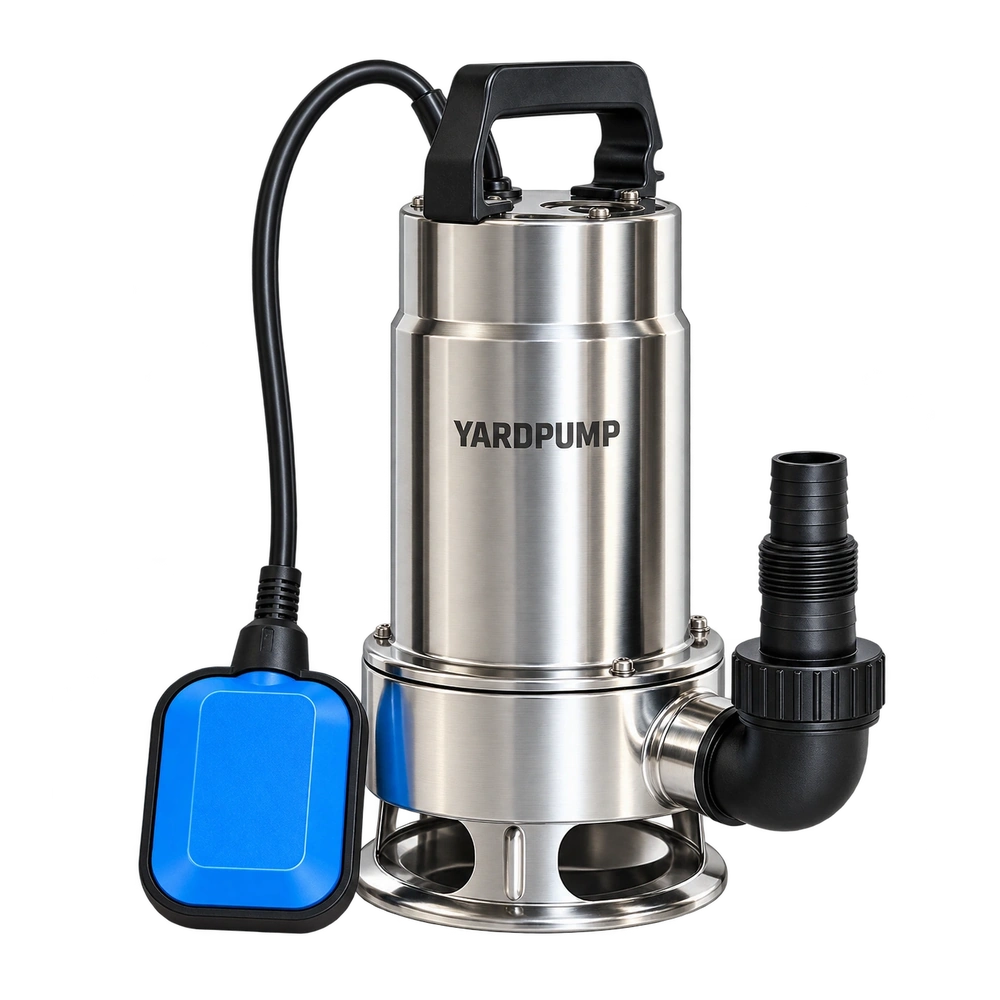
Consider a sump that gets an unexpected return after shutdown. A sump pump delivers normally. After it stops, an occasional rush of water can be heard coming back. The arrow on the check valve already points toward the discharge. What else should be checked? Verify the approved mounting position of that exact valve, whether it closes properly, and where the returning water comes from. An arrow tells you the permitted flow direction. It does not guarantee operation in a horizontal, vertical or sloped pipe. A short surge immediately after the stop also calls for a different investigation from water that keeps entering.
Follow how the actual valve closes
Different check valves use a swing flap, spring or another mechanism. The installed angle can affect how gravity acts on particular moving parts, where a hinge sits or how the closure meets its seat. A spring does not make every orientation acceptable. A swing valve is not necessarily limited to vertical installation. Find the model and instructions, including approved positions and any hinge or cover markings. A film, a grain of sand or a seal fragment may intermittently prevent closure. A photograph of a valve in a horizontal line cannot by itself diagnose the reason. Misalignment, poor pipe support and a recent change of fittings can be relevant as well.
Observe from a safe position. Record the normal discharge, sounds as the pump stops, and the timing and location of a visible return or level rise. Distinguish the pit's own inlet. As an illustration, if an estimated 3 L returns from the discharge and the new level then holds, check for pipe drainback across or below the valve. If the pit continues to rise, investigate other inlets, connected pipes or a possible siphon path. Three litres is a hypothetical amount, not an allowable limit. Water below the valve, leakage across it and new inflow may occur together.
Make a decision before dismantling the line
Qualified personnel should stop and isolate power, prevent automatic restart, relieve pressure and manage retained water as specified. Before removal, note the flow arrow, installed angle, any hinge or cover orientation, support and height of the valve. Do not rotate an unidentified valve to try it in another position. If the valve is designed to be serviced, preserve any trapped material and seat marks. Examine the seat, stop, moving parts and spring as appropriate. Do not block the discharge or open a pressurised valve to see whether it closes.
If the instructions allow the installed orientation and removing a documented obstruction restores repeatable closure, investigate the source of that obstruction and access for service. If the mounting position is not approved, use a permitted layout or model and verify the assembly. Record normal delivery, any return or level rise after stopping, and behaviour at the next start. Use the actual pit and discharge conditions. Follow the pump's directions for vents and related arrangements where specified. Do not plug an opening or add a valve simply to silence a noise.
For a customer update, explain which evidence was observed after shutdown and which repair it supports. An approved replacement checked through several normal cycles is stronger evidence than one quiet stop. If the return cannot be reproduced and water still enters the pit from other directions, keep the diagnosis open.
Retain the valve support and the point where water first entered as separate observations.
A future inspection should be able to locate the return without interpreting the sound alone.
Frequently asked questions
Does a spring mean I can install the valve at an angle?
Only if the exact model permits that position. Check its marking and instructions.
Does one noise at shutdown prove that the valve leaks?
No. Separate the sound of closure from pipe drainback and continuing inflow using level and direction evidence.
Should the valve always be placed as close to the pump as possible?
There is no universal distance. Follow the pump and valve instructions and allow for support, venting, service and actual duty.