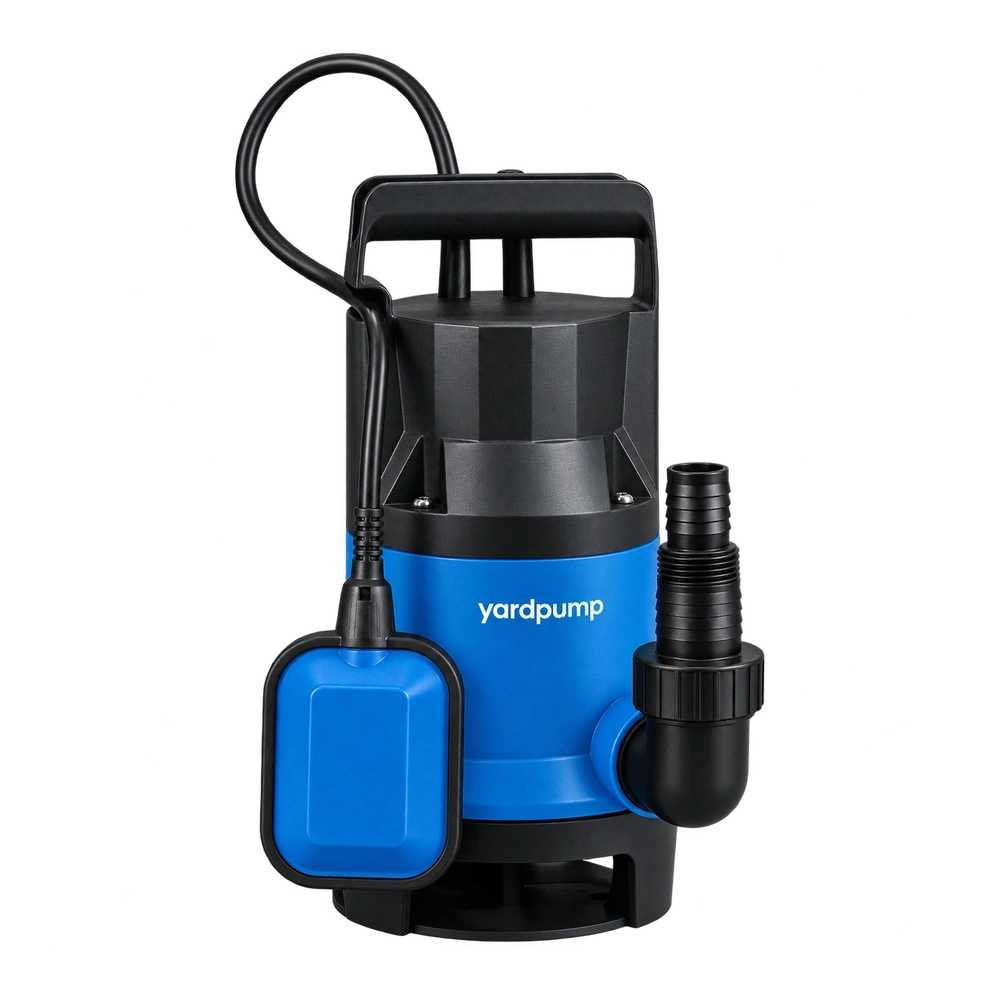
Suppose a sump pump delivers water as expected but loses upstream power when the level reaches the stop point. First identify the device that opened the circuit and whether it operated before or after the stop command. Switching can produce a brief electrical disturbance. It can also expose a moisture, wiring or insulation fault. Do not dismiss a protective trip as ordinary water hammer or normal behaviour. Stop using the equipment, especially around water, and have qualified personnel isolate and investigate it. Do not repeatedly reset it to recreate the event.
Separate a stop command from a protective trip
A float or controller can remove the run command. A protective device can cut power in response to overcurrent, residual current or another condition. Some devices combine functions. Hearing the pump stop and then seeing a dark panel does not establish which came first. A trip also stops a running pump, so silence does not prove that the float had already stopped it normally. Record controller indicators, water level, which device operated and any moisture or unusual sound. A qualified electrician can identify the protective function from the device and its indications. A test button or panel label alone does not settle it.
In some motor, switch or electronic control arrangements, opening a circuit can produce a brief transient. Residual current protection responds to an imbalance between outgoing and returning currents. A large ordinary load current does not imply an equally large residual current. Moisture, damage or wiring faults can also appear when equipment switches, vibrates or moves a cable. The event occurring at shutdown does not establish a harmless transient or prove water entry into the pump.
Preserve the timeline instead of resetting it again
Where safe, preserve an existing recording, controller log or alarm record from a dry position. Do not force another event to capture it. Record whether the stop was commanded by a float, a separate controller or an operator. Include pump model, control, circuit and water level. Note recent rain or moisture near connections. Do not adjust power or floats in standing water, remove earth or protection or move the pump to an unprotected outlet as a test.
In one illustrative record, the controller indicator changes first as water reaches the stop level, and upstream protection opens next. In another, the protective device opens first and the controller then goes dark. The first pattern points toward checking the switching interval. The second calls for checking why protection operated while a run command was still present. Events separated by milliseconds may be beyond the resolution of a phone video. Qualified personnel can check the protection, circuit and insulation under an approved procedure and, if needed, use appropriate instruments to correlate control and electrical events after making the installation safe.
Verify that the repair restores normal operation and protection
The service report should state what was found, any moisture or damage, which control and protective components were involved and how the finding was confirmed. If it cannot be reproduced reliably, record the cause as unresolved. A pump that runs on another bench does not clear the original installation. Raising a trip threshold, installing an unsuitable protective device or bypassing it is not a repair. After correction, qualified personnel check a complete pumping cycle against the equipment and site requirements. Normal stopping, controls and protection all need to remain as specified. Where the pump prevents flooding, have the responsible person use the existing drainage contingency while it is out of service.
Frequently asked questions
Does tripping at every stop prove the float contacts are faulty?
No. The switch is one lead. Check wiring, insulation, moisture, the protection and event timing.
The pipe also bangs when the pump stops. Is that the electrical fault?
Do not infer the link from sound. Hydraulic impact and an electrical trip need separate observations.
Can I use a less sensitive RCD to keep the pump running?
Do not use that as a workaround. A qualified electrician needs to evaluate the fault and protection for the actual installation.