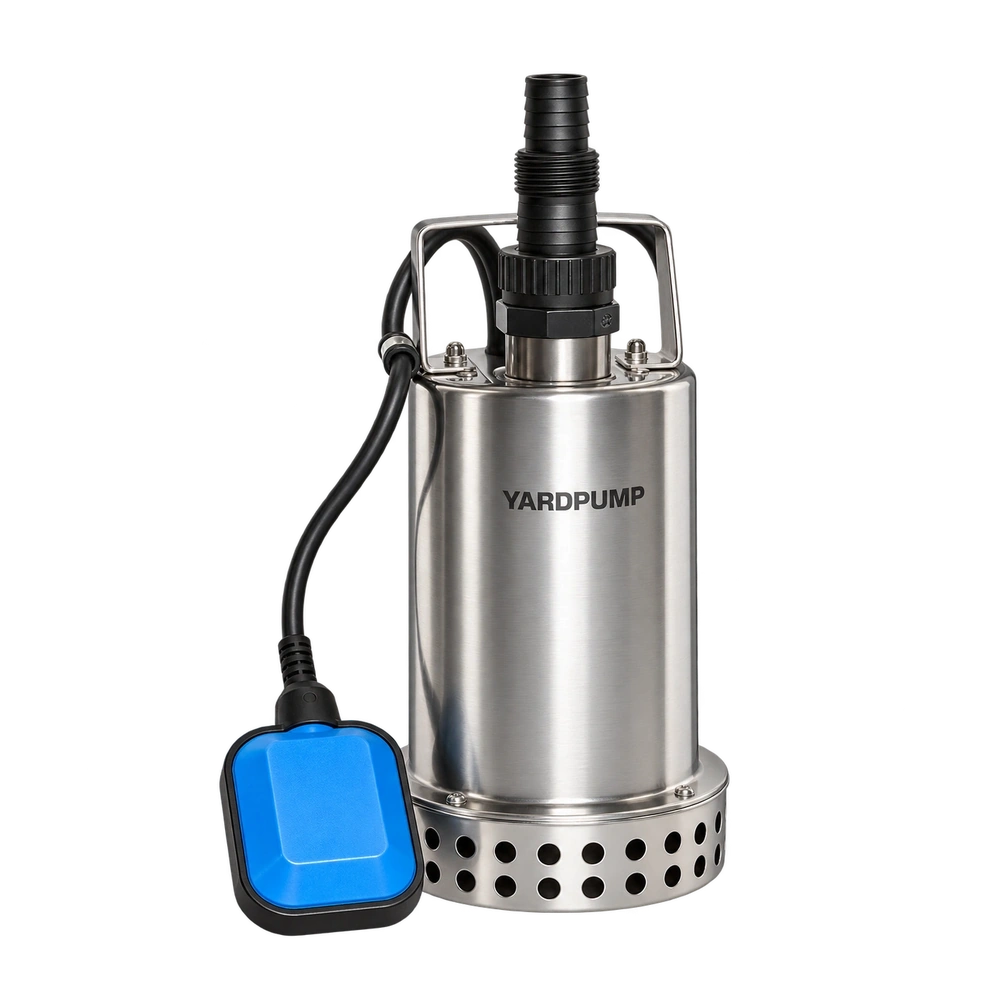
Imagine an inspection on a motor potting line. A shop keeps a witness coupon from a two-part potting mix. The surface is hard, and purchasing wants to release all the submersible motors cast that shift. First compare what happened to the coupon with what happened inside the motor. The coupon shows the measured condition of that sample. Its container, depth, starting temperature, mixing and cure history may differ from the production part. A good coupon does not prove that every motor was filled and cured as intended.
Why one mix can produce different cure conditions
The same material lots do not prove every portion was mixed uniformly. Weighing, mixing, startup discharge, interruptions, container walls and elapsed time can change the mixture delivered. Cure depends on the chemistry and temperature. In some systems a thicker section develops more heat. A thin coupon and resin next to a cold metal part can experience different temperature histories. The cavity will not always be slower. A thick section may warm up while a thin layer next to a cold substrate stays cooler. Establish the limiting condition in process validation.
Suppose the coupon hardens on a warm workbench by the end of the shift, while early pump housings came from a colder store. The coupon does not provide their starting temperature or cure history. If the process was already qualified for both starting conditions and the actual records show it remained within that range, apply the approved release. If not, hold the corresponding units and collect valid representative evidence. Touching for tack or opening a sealed motor outside the service process is not a verification method.
Decide what the coupon is intended to represent
Link resin and hardener lots, proportion, mix method, start and changeover times, part temperature, fill conditions and cure intervals to the batch. State where and when the coupon is drawn, its thickness and container, and the environment intended to represent production. Engineering can qualify a sacrificial part, representative section, process piece or measurement at critical locations. Keep the sample identity tied to the cast parts. Do not fill a paperwork gap with a coupon from another mix. A general cure time on a data sheet does not qualify every geometry or amount of resin.
Ask separate questions about the product. Did the material cure under the specified conditions? Does it cover the designated area without unacceptable defects? Does the assembly meet the prescribed electrical, sealing and thermal checks? A pass on one does not clear the others. Coupon hardness does not prove that the complete pump resists immersion. Users should not probe into a motor or energise it to validate a coupon. Qualified personnel should handle any specified electrical or destructive checks under the approved procedure.
Handle conflicting evidence without losing the batch history
If a coupon fails, hold the corresponding mix segment and any shared production at risk while quality checks the records. If it passes but a production part shows abnormal cure or another failure, investigate the unit; a good witness does not dismiss a product result. State on release which period and operating conditions the coupon covers and how the actual parts were verified. That preserves the value of the witness while making any evidence gap visible.
Keep rework and retest records. If one motor received additional heat outside the planned cure, record the new exposure and the checks that apply. Do not overwrite its original condition with the final shift result.
Use the approved sealing test for that version; an unrelated coupon cannot replace it.
Frequently asked questions
Can the witness be warmed to speed up acceptance?
Only use a different condition if the approved method establishes its relevance. A warm bench cannot automatically stand in for production.
Does a hard surface prove that deeper material has cured?
No. Consider depth, heat transfer, mix and local fill under a suitable method.
Must every pump be cut open?
Not as a general rule. Use qualified process controls, representative parts and applicable finished-product checks under the approved plan.